Best ballistic helmet pads for comfort, stability, and impact protection
If you’ve ever stared at a “lightly used ballistic helmet” online and thought, “What’s the worst that could happen?”, congratulations – you’ve just invented helmet roulette. Sure, that surplus ACH looks like a steal, but so did that “authentic” night-vision mount that turned out to be a bottle opener. The problem with used ballistic gear is the same as buying a parachute at a yard sale: you only find out it’s bad once – and that’s not a fun product review to write.
This PGD guide peeks under the pads (figuratively, relax) to explain why that bargain lid might be more cosplay than combat, how age and mystery mileage mess with protection, and what to check if you insist on going second-hand. And if you actually want guaranteed performance instead of a suspense novel on your head? We’ll show you the smarter, safer alternative that doesn’t involve crossed fingers.
Buying a used ballistic helmet can seem like a good way to save money, but it often brings hidden risks, like compromised protection, unknown wear or impact, and no warranty. The growing American market offers many options, yet most used helmets lack the traceability and performance guarantees of new devices. Experts warn that expired, poorly stored, or uncertified helmets may put users at real risk. For those who prioritize protection and reliability, new, factory-verified helmets – like those from Protection Group Denmark – are the only way to ensure your safety isn’t left to chance.
Across the United States, more buyers than ever are looking for ballistic helmets – sometimes for work, sometimes for peace of mind. Used or surplus helmets flood online marketplaces, consignment shops, and even private forums. But who shops here, why do they choose the second-hand route, and what types are most common?
Several groups in the USA are drawn to the used ballistic helmet market:
The primary motivation? Cost savings. Used helmets often appear hundreds of dollars less than new, factory-guaranteed models, making them attractive to those trying to equip themselves on a budget.
Most used helmets available in the USA fall into one of these categories:
Buyers should know that not all surplus helmets are ballistic-rated – even those intended for military or police use.
In the past five years, demand for used ballistic helmets has surged, powered by:
Yet, as selection broadened, so did the risks. The American second-hand helmet market is poorly regulated, and listings often lack proper histories, certifications, or guarantees of authenticity or ballistic integrity.
Every helmet’s #1 job is to protect you when it counts. Yet, helmets on the used market carry real risks – many invisible at first glance. Understanding these risks is essential before you decide to buy.

No one can tell at a glance what a used helmet has endured. Even minor-looking scuffs might conceal:
Without a full, trustworthy service history, it’s impossible to know if a used helmet is still effective.
Ballistic helmets aren’t designed to last forever. Key concerns include:
An expired helmet, no matter how good it looks, could leave you exposed.
Read our PGD article “Do ballistic helmets expire? Understand helmet lifespan and when to replace them” to learn more about the lifespan of a ballistic helmet.
The rise in demand has led to a parallel increase in:
Buying from unknown or private sellers exposes you to these risks – regardless of price.
Even qualified technicians struggle to detect internal fiber breakage or resin separation. Other issues include:
For buyers, this means you’re accepting all the risk – without backup – if something goes wrong.
Before you buy any ballistic helmet, it’s critical to understand what the ratings mean, how materials affect safety, and why prices range so widely on the used market.
Understanding (and verifying) the actual NIJ or equivalent ballistic rating is essential for making an informed purchase.
Helmet effectiveness – and its ability to last – depends on construction:
Used helmets may have invisible fiber breakdown, material fatigue, or resin separation – all of which reduce protection.
If you still want to buy a used ballistic helmet – even though every safety expert and manufacturer (us included) strongly advises against it – then you need to proceed with extreme caution. This isn’t like picking up a used pair of boots or a surplus vest; a ballistic helmet’s entire purpose is to save your life, and once its integrity is in doubt, there’s no way to fully restore it.
Still, if you’re determined to go down that road, treat the purchase like a forensic investigation, not a bargain hunt. Ask questions, demand documentation, and assume that if something seems unclear or too good to be true, it probably is. Every small detail matters – from the production label to the smell of the padding – because any one of them could reveal a helmet that’s long past its prime.
Below are the non-negotiable steps every buyer should take before even considering clicking “add to cart.” These won’t make a used helmet completely safe, but they can help you separate possibly functional gear from instant regret disguised as a good deal:

If in doubt, it’s safest to walk away.
Buying used always carries risk. Thorough checks can reduce it, but can never eliminate all uncertainties.
When your safety is on the line, traceable, factory-verified gear is the only sure choice. New ballistic helmets from a reputable manufacturer, like Protection Group Denmark, promise more than just peace of mind – they deliver field-proven, certified protection you can count on.
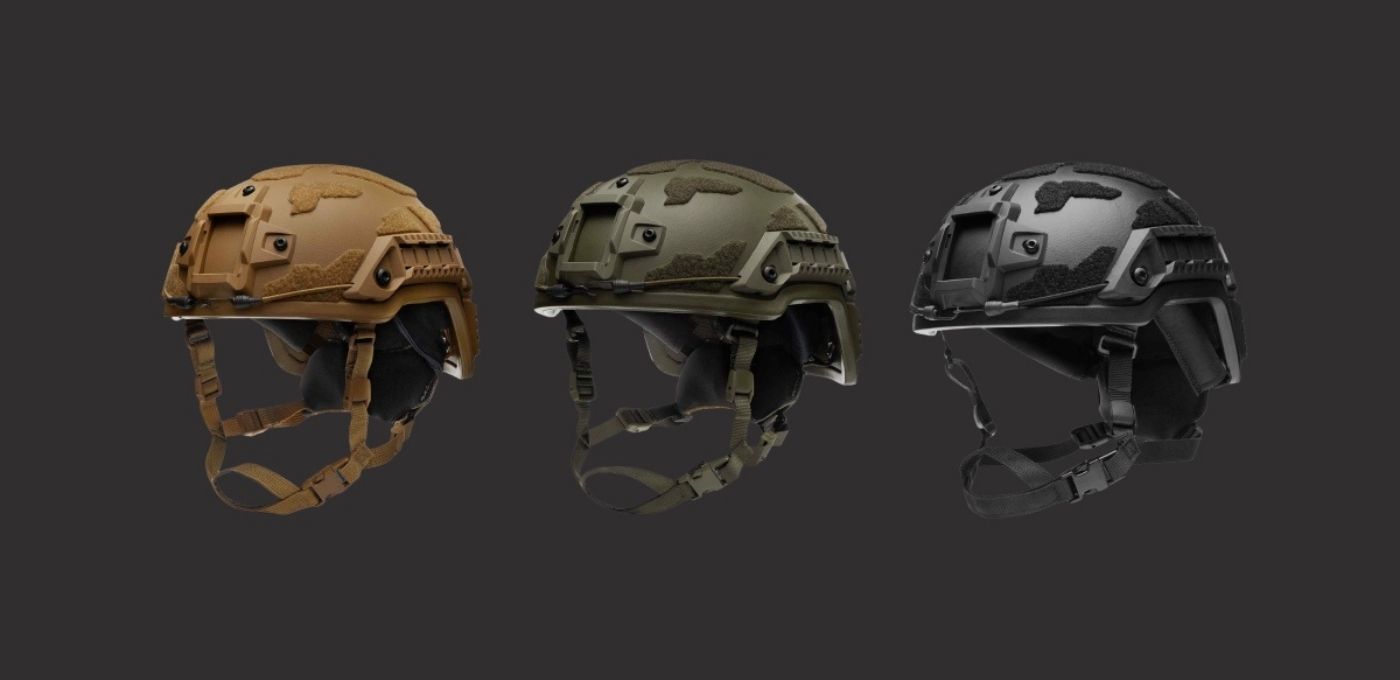
Every new helmet meets and exceeds rigorous standards, so you know exactly what you’re getting:
Choosing new means never worrying if your investment will let you down.
For buyers who demand the highest level of protection, comfort, and confidence, the PGD ARCH GEN3 Ballistic Helmet is the definitive choice. This advanced helmet features:
When your safety matters, don’t leave anything to chance. Explore the PGD ARCH GEN3 Ballistic Helmet today for reliable, traceable protection you can trust.
The PGD ARCH Ballistic Helmet stands out as one of the best value-for-money options on the market – delivering premium protection and comfort without the inflated price tag often seen in comparable high-end helmets. Built with NIJ IIIA-certified aramid materials and rigorously tested in both U.S. and European laboratories, it offers proven ballistic performance you can trust in the field. Beyond protection, it’s engineered for all-day wearability, featuring a lightweight shell, adjustable fit system, and full ARC rail and NVG compatibility – perfect for both professional and civilian users.
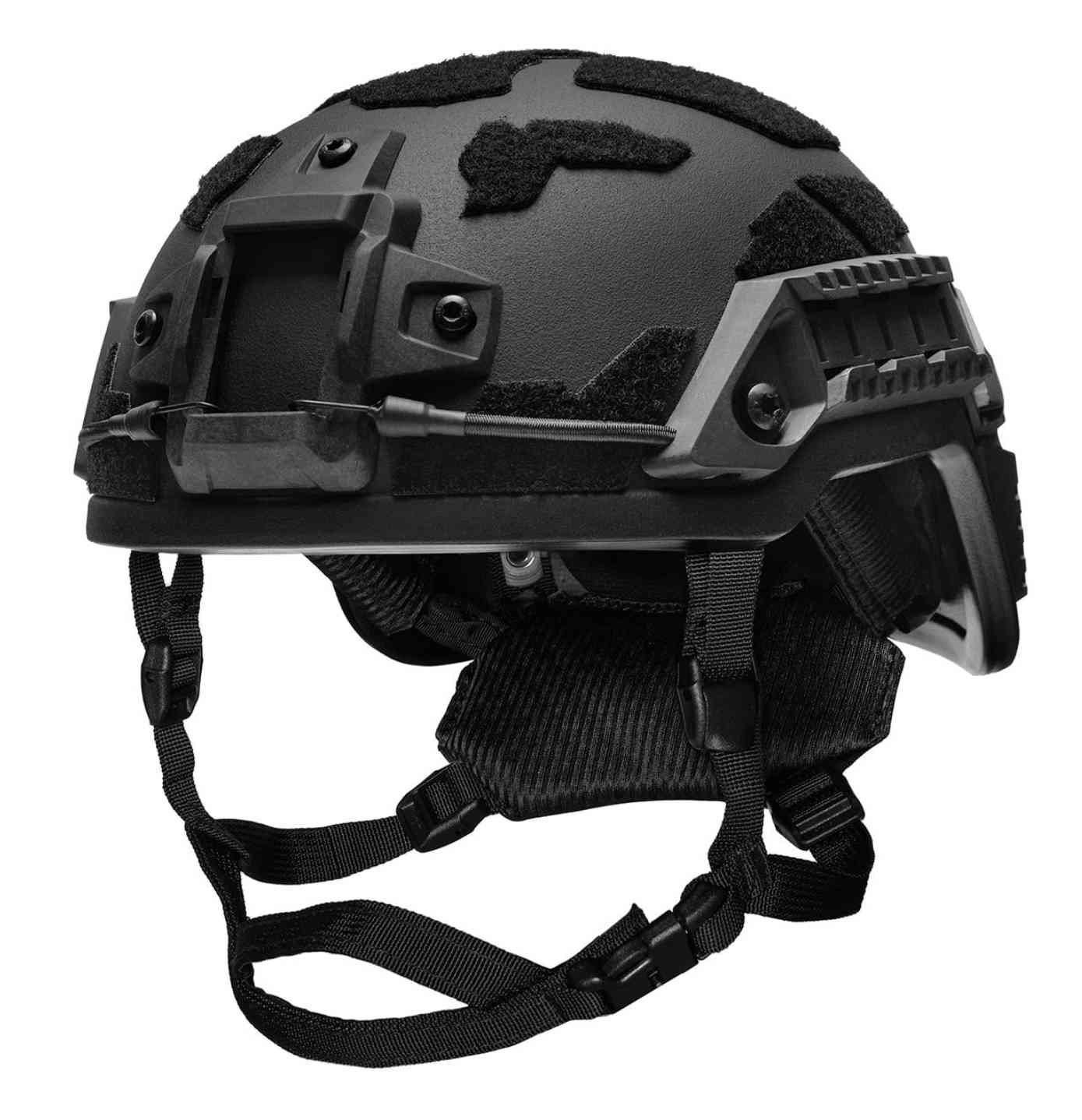
When you factor in its factory-direct pricing, full warranty, and traceable production, the PGD ARCH isn’t just a safe investment – it’s a smart one. You get top-tier performance, modern modular design, and long-term reliability for a price that makes buying used simply unnecessary.
Head over to the PGD Blog, where we break down everything from ballistic ratings and armor technology to maintenance tips and product innovation. Learn how our helmets are engineered, tested, and trusted by professionals worldwide.
We also recommend exploring real user experiences on our “What They Say” page – genuine feedback from professionals and customers who rely on PGD helmets in the field.
A used ballistic helmet might look like a shortcut, but the risks are real: concealed damage, expired materials, lack of warranty, and the ever-present threat of counterfeits. No amount of savings can justify uncertainty when it comes to your safety.
If you’re ready to take the guesswork out of staying protected, choose a new, factory-tested helmet from Protection Group Denmark and get the peace of mind that only proven, traceable gear can deliver.
Don’t risk your investment. Choose a new helmet backed by experts, with support you can rely on – and protect yourself the right way, every time.
Buying a used ballistic helmet can seem like a good way to save money, but it often brings hidden risks, like compromised protection, unknown wear or impact, and no warranty. Most used helmets lack the traceability and performance guarantees of new devices. Experts warn that expired, poorly stored, or uncertified helmets may put users at real risk. The American second-hand helmet market is poorly regulated, and listings often lack proper histories, certifications, or guarantees of authenticity or ballistic integrity. For those who prioritize protection and reliability, new, factory-verified helmets – like those from Protection Group Denmark – are the only way to ensure your safety isn’t left to chance.
Every helmet’s #1 job is to protect you when it counts. Yet, helmets on the used market carry real risks – many invisible at first glance. With military surplus helmets, some may not be ballistic-rated – even those intended for military or police use. Risks include unknown history and hidden damage, prior ballistic impacts, drops and blunt force impacts, rough handling or modifications, material degradation over time, and expired certifications. The rise in demand has also led to counterfeits and non-U.S. surplus that do not meet U.S. ballistic performance standards. It’s almost impossible to confirm the origins or specific ballistic rating of some used helmets. Visual inspection can’t guarantee ballistic integrity, and helmet manufacturers typically do not honor warranties for second-hand owners, leaving you with no support if defects surface.
When your safety is on the line, traceable, factory-verified gear is the only sure choice. New ballistic helmets from a reputable manufacturer, like Protection Group Denmark, promise more than just peace of mind – they deliver field-proven, certified protection you can count on. Every new helmet meets and exceeds rigorous standards, undergoes independent laboratory testing, and offers full traceability and authenticity. New helmets use the highest-grade Kevlar aramid, offer maximum resistance to impact and environmental damage, include a full manufacturer-backed warranty, and provide the longest usable lifespan. Choosing new means never worrying if your investment will let you down.
If you’re committed to buying used, protect yourself with due diligence. Locate the data tag and check for an intact, legible manufacturer’s label inside the shell, stating make and model, production date, ballistic rating standard (e.g., NIJ IIIA), and serial number for traceability. Confirm the age to ensure the helmet is within its official service life – usually under 5–10 years from manufacture. Cross-check model specs to verify certification. Inspect for cracks, chips, warping, and check internal pads, chinstraps, and mounts for intactness. Look for repair marks, drilled holes, or modifications, and be cautious of signs of mold, mildew, or unusual odors. Request original documentation, proof of purchase, or prior test certificates. Ask for the helmet’s history, and avoid anonymous or unverified sellers, sticking with reputable dealers or authorized surplus outlets. Never accept “as is” listings if a helmet’s performance cannot be guaranteed.
Protect what matters.
We’ve moved our U.S. sales
Protection Group Denmark products are now available in the United States exclusively through our official distributor, Colorado Gun Fighter. This store is no longer accepting new orders — please continue your purchase there.
Already placed an order with us? Don’t worry — all existing orders will be fulfilled as normal.
Shop at Colorado Gun Fighter