Upgrade your tactical helmet with these ballistic helmet accessories
When it comes to ballistic helmets, most folks focus on the shell, the rails, and the NVG mount. But let’s be honest – half the fun (and function) is what you stick on the Velcro. Ballistic helmet patches may not stop a bullet, but they sure can save you from the wrong kind of attention in the field – or at least get a laugh from your buddies. From blood type tags and IR reflectors that keep you safe at night, to morale patches that say “Yes, I’m serious about the mission, but I’ve still got a sense of humor,” these little squares of fabric punch way above their weight.
Whether you’re in uniform, on the range, or running weekend airsoft ops, the right patch setup can mean faster ID, smoother teamwork, and a helmet that actually looks like yours.
Ballistic helmet patches have become essential accessories for tactical professionals, military units, law enforcement, and gear enthusiasts worldwide. Helmet identification patches deliver fast, visible identification, enhance operational safety, and offer endless tactical helmet customization options. Modern ballistic helmets, such as the PGD ARCH GEN3 Ballistic Helmet, are engineered with integrated velcro panels to support these custom helmet patches – ensuring durability, versatility, and adaptability in any scenario. By understanding patch types, uses, and best-practice attachment methods, users can achieve both a functional and distinctive helmet setup for every mission.
Check out the pictures below – because nothing explains “what are ballistic helmet patches?” better than seeing them in action.
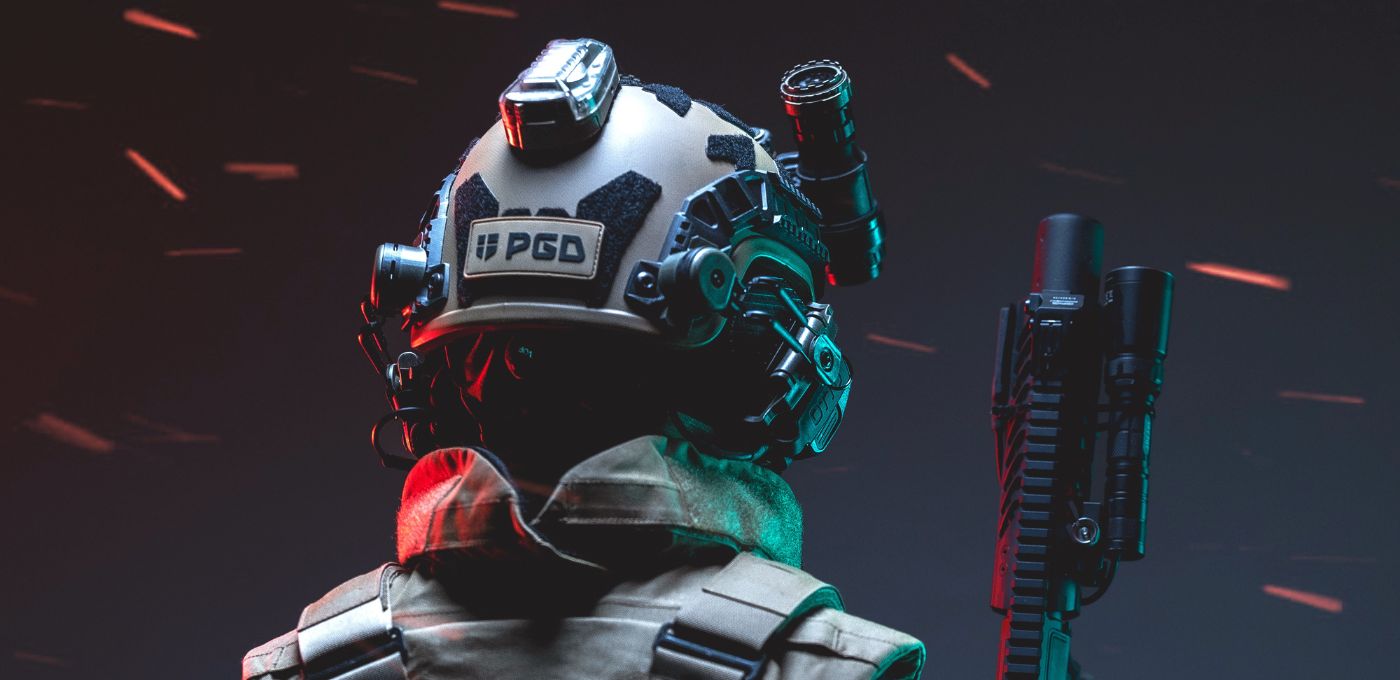
We slapped our own PGD patch onto a bulletproof vest and a PGD MICH ballistic helmet to show how patches look in the real world. No, our patch won’t make you run faster or shoot straighter (we wish), but it does stand for what we build every day: tough, reliable gear. Think of it as our signature – simple, bold, and made to stick with you whether you’re on the job or just setting up your kit.

Everyone who picks up a PGD product gets a PGD patch thrown in. It’s our way of saying “welcome to the team,” and giving you a little extra Velcro real estate to show off who’s got your back.
Ballistic helmet patches are non-ballistic textile or polymer patches, often with hook-and-loop (Velcro) backing, that attach directly to external helmet panels. Their core purpose isn’t protection, but fast and visible identification, signaling information such as unit, nationality, role, or medical details under high-stress tactical conditions.
In tactical settings – be it military, law enforcement, or private security – helmet identification patches allow operators to stand out clearly to colleagues and command, reducing friendly-fire risk and speeding up triage or tasking. Morale and custom patches for military helmets further personalize gear, motivating teams and fostering unit pride.
Helmet patches fall into three primary categories:
Each provides unique advantages – whether it’s a blood type tag aiding medics, an IR patch enhancing night tactics, or a morale patch uniting a team.
For military professionals, law enforcement, private security, and EMS, helmet patches deliver crucial gains:
Modern tactical helmets – such as those from Protection Group Denmark – are designed for rapid patch attachment and switching, addressing evolving mission and identification standards.
Helmet identification patches typically display:
These helmet identification patches are indispensable in separating personnel, avoiding missteps in chaos, and speeding up organization, especially in joint operations.

The strategic impact of clear helmet identification cannot be overstated:
The right patch placement – maximizing visibility without interfering with helmet accessories – directly supports team safety and mission success.
To optimize patch effectiveness, consider:
Popular helmet patch ideas include modular name tapes, color-coded medical tags, and reversible morale patches for “serious” and “informal” settings. These can all be attached to velcro helmet panels for quick in-field transitions.

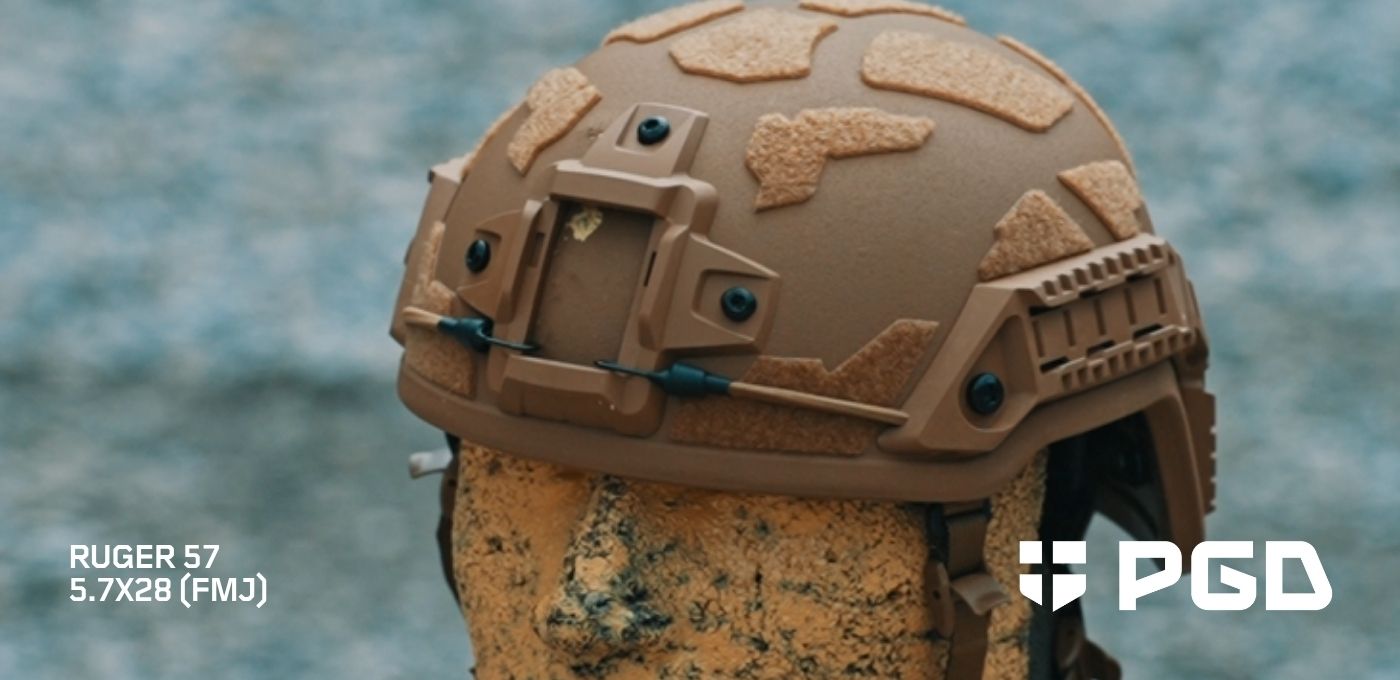
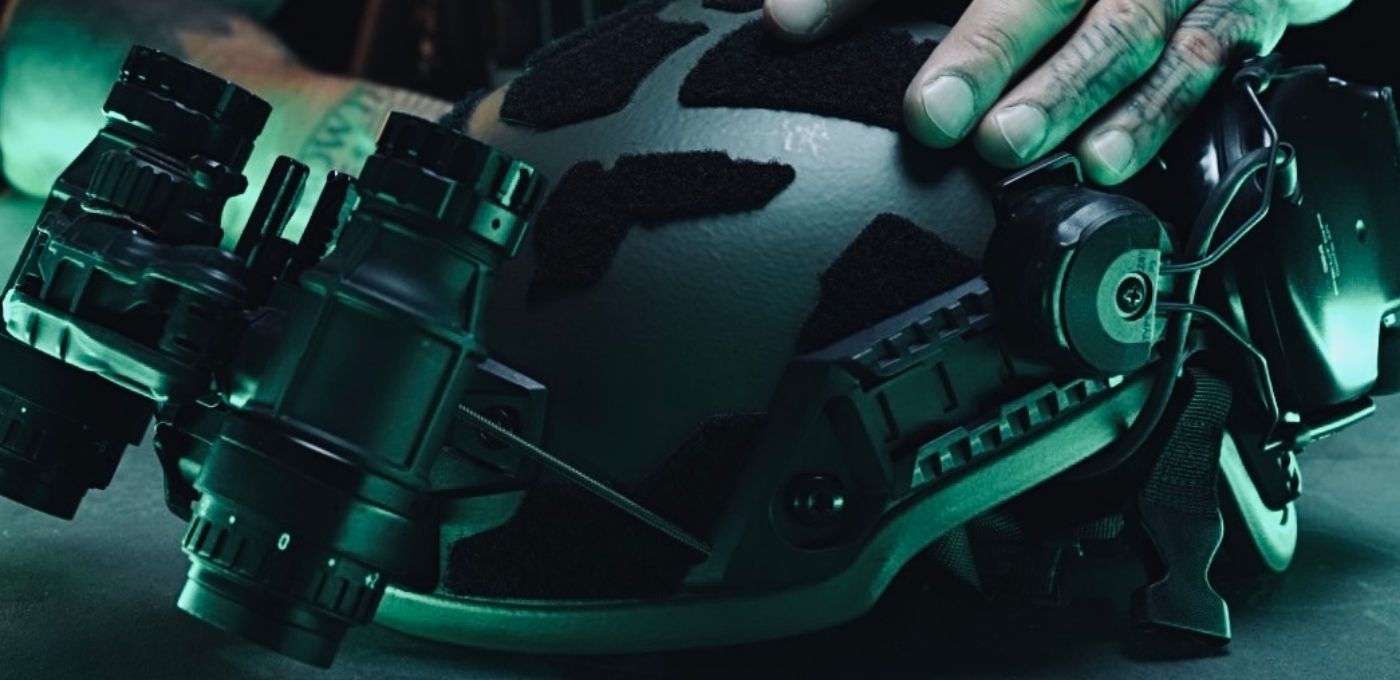
Every PGD ballistic helmet comes with velcro panels that gives you plenty of opportunities for placing patches. Whether it’s ID tags, IR reflectors, blood type markers, or morale patches, the velcro fields are placed so you can customize without getting in the way of rails, NVG mounts, or other accessories. That means you’ve got space on the sides, crown, and back of the helmet to configure your setup exactly the way you want it – functional, visible, and mission-ready. We like it!
If you’d like a deeper dive into the PGD Velcro panel layout, check out our article “How Ballistic Helmet Velcro Delivers Modular Functionality.” You can find it on our PGD blog page.
Morale patches bring personality to otherwise uniform gear. For military helmet patches or tactical helmet patches used by law enforcement and enthusiasts alike, the styles are as varied as the people who wear them. Some carry unit insignia, displaying the regiment, battalion, squad, or task force an operator belongs to. Others lean into humor and motivation, with tongue-in-cheek icons, witty slogans, or pop-culture nods that break tension and build rapport in tough environments.
Many patches feature inspirational quotes or mottos, simple words that reinforce shared values such as “Stay Safe” or “No One Left Behind.”
And then there are mission accomplishment patches, created to mark deployments or specific operations, each one a reminder of hard-earned experience. Morale-focused tactical helmet customization goes far beyond aesthetics – it strengthens team cohesion and gives operators a way to express their shared commitment under pressure.
For night ops specialists and military teams, IR reflective patches are indispensable. These patches:
Modern IR patches are durable and precisely engineered, securely fitting onto velcro helmet zones without peeling under harsh conditions. This type of tactical helmet patch is especially compatible with advanced helmets like the PGD ARCH GEN3 Ballistic Helmet, built with patch-ready panels as standard.
Personalized helmet patches aren’t just for the military anymore – they’ve gone mainstream.
Law enforcement units like SWAT, riot police, and even K9 teams rock custom patches that make it clear who’s who (and sometimes who bites).
EMS and rescue crews use theirs to show off blood types and the Star of Life – because when seconds matter, you don’t want a guessing game.
And then you’ve got the airsoft and paintball crowd, who treat custom patches like trading cards, swapping team logos, funny icons, and knockoff “operator” badges faster than you can say “bang bang, you’re out.”
No matter the scene, custom helmet patches let anyone trick out their lid for ID, function, or pure fun – without making their gear look like a Halloween costume.
Now, let’s move on!
The vast majority of modern ballistic and tactical helmets – including those produced by Protection Group Denmark – feature velcro (hook-and-loop) panels or modular mounting systems. This design lets you:
For optimal use, choose patches that are precisely sized for your helmet’s velcro panels – an ideal match for the PGD ARCH GEN3 Ballistic Helmet.
To maximize functionality of both patches and helmet hardware:
Some helmet users rotate between patches for day versus night, or for different mission phases – always checking that nothing blocks access to vital helmet accessories.
We’re pretty confident you’ll figure out how to attach a patch – after all, it’s velcro, not rocket science. Line it up, press it down, and boom – instant customization. No instruction manual required, no YouTube tutorial needed. We trust you’ve got this one covered. 😉
For longevity and dependable reuse, seek tactical helmet patches constructed from:
The PGD ARCH GEN3 Ballistic Helmet sets a high standard for both patch panel quality and placement, supporting everything from slim ID tags to large morale panels for custom helmet patches of all kinds.
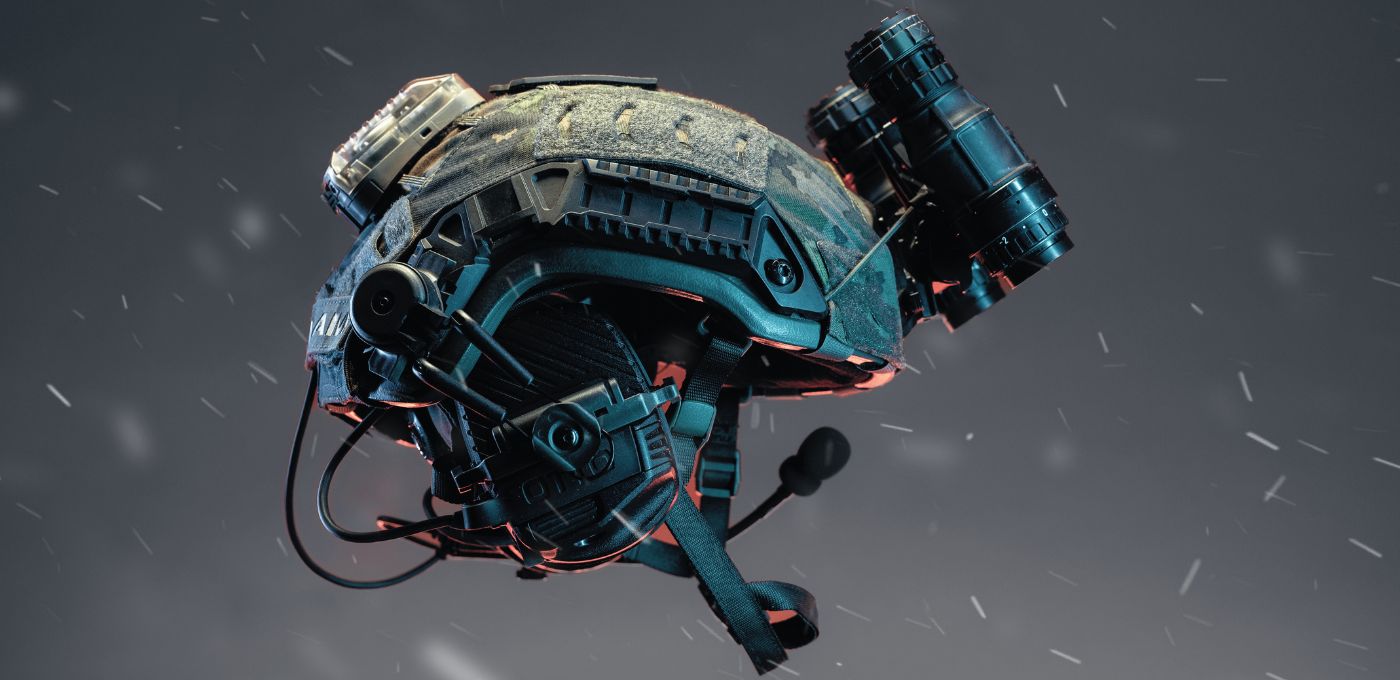
The PGD ARCH GEN3 Ballistic Helmet is engineered with users’ tactical patch needs in mind. Multiple velcro panels are seamlessly integrated into the helmet shell, allowing flexible placement of helmet identification patches, IR tags, morale insignia, and any custom additions required for your mission.
This deliberate design maximizes surface area for patch attachment without impeding rails, shrouds, or other essential helmet functions – making tactical helmet customization effortless and secure.
Every PGD helmet comes with a signature Protection Group Denmark patch, symbolizing reliability, advanced engineering, and a commitment to operator safety in the field. The PGD patch serves not just as a brand mark, but as a visual guarantee of the industry-leading standards behind every piece of protective equipment. Trusted by professionals across military, police, and security sectors, it reassures teams that their gear supports every aspect of their mission, including seamless helmet identification and patch customization.
Protection Group Denmark stands as a global leader in ballistic helmet innovation and tactical helmet patches compatibility.
Here’s why operators choose PGD:
Whether you’re a seasoned professional or committed enthusiast, investing in a PGD helmet ensures your gear is ready for identification, tactical use, and personal expression on any stage.
Harness the full potential of your helmet setup. Discover the enhanced capability, personalization, and professional trust that the PGD ARCH GEN3 Ballistic Helmet provides for every tactical helmet patch application. For further details on tactical helmet customization, helmet identification patches, or to purchase unmatched protection solutions, visit the Protection Group Denmark homepage. Set your standard – on every mission, every time.
Ballistic helmet patches are non-ballistic textile or polymer patches, often with hook-and-loop (Velcro) backing, that attach directly to external helmet panels. Their core purpose isn’t protection, but fast and visible identification, signaling information such as unit, nationality, role, or medical details under high-stress tactical conditions.
In tactical settings – be it military, law enforcement, private security, or high-level airsoft – helmet identification patches allow operators to stand out clearly to colleagues and command, reducing friendly-fire risk and speeding up triage or tasking. Morale and custom patches for military helmets further personalize gear, motivating teams and fostering unit pride.
Helmet identification patches typically display:
– Unit or division: Vital for quickly identifying friend from foe in dynamic theaters.
– Call sign or name: Allows direct, unambiguous communication between operators.
– Blood type: Crucial for medical personnel to deliver immediate, life-saving support.
– Country or state flag: Signals nationality, jurisdiction, or active alliance.
– Role designators: Such as “MEDIC,” “EOD,” “COMMANDER,” or “POLICE,” highlighting function at a glance.
These helmet identification patches are indispensable in separating personnel, avoiding missteps in chaos, and speeding up organization, especially in joint operations.
The strategic impact of clear helmet identification cannot be overstated:
– Prevents friendly-fire: Quickly distinguishing allied personnel is critical in multi-unit or coalition operations.
– Streamlines command: Leaders can visually confirm the location and composition of their teams for faster, more confident tactical decisions.
– Speeds medical aid: Blood type or allergy patches save precious seconds should an operator be wounded.
– Reduces confusion: Especially during low-visibility, high-stress missions, unmistakable helmet ID boosts efficiency and trust.
The right patch placement – maximizing visibility without interfering with helmet accessories – directly supports team safety and mission success.
Morale patches bring personality to otherwise uniform gear. For military helmet patches or tactical helmet patches used by law enforcement and enthusiasts alike, styles range from:
– Unit insignia: Regiment, battalion, squad logos, or specialized task force emblems.
– Humor & motivation: Tongue-in-cheek icons – cartoon graphics, slogans, or pop-culture references – help break tension and build rapport.
– Inspirational quotes or mottos: Custom helmet patches reinforce mindsets or team values (“Stay Safe,” “No One Left Behind”).
– Mission accomplishments: Deployment or operation-specific badges.
Morale-focused tactical helmet customization is more than aesthetics – it’s about boosting team cohesion and expressing shared commitment under pressure.
For night ops specialists and military teams, IR reflective patches are indispensable. These patches:
– Enhance night vision recognition: Patch reflects infrared light, visible under NVGs but subtle to the naked eye.
– Prevent fratricide: Reduces blue-on-blue incidents in dark, cluttered battlespaces.
– Support air & ground integration: Enables aircraft, drones, and command units to ID ground operators at night.
Modern IR patches are durable and precisely engineered, securely fitting onto velcro helmet zones without peeling under harsh conditions. This type of tactical helmet patch is especially compatible with advanced helmets like the PGD ARCH GEN3 Ballistic Helmet, built with patch-ready panels as standard.
The vast majority of modern ballistic and tactical helmets – including those produced by Protection Group Denmark – feature velcro (hook-and-loop) fields or modular mounting systems. This design lets you:
– Easily add or swap patches: Attach identification, IR, or morale patches without tools or adhesives.
– Change setup on-the-go: Swap mission or role patches in seconds, adapting to new assignments or environments.
– Avoid damage: No need to glue, sew, or modify the protective shell, preserving helmet integrity.
To maximize functionality of both patches and helmet hardware:
1. Clean attachment surfaces: Remove dirt, dust, and debris from Velcro panels to ensure full adhesion.
2. Align patch carefully: Place patches so they don’t interfere with NVG mounts, rails, strobe lights, or communication gear.
3. Test for firmness: Apply pressure and tug gently – well-made Velcro and quality patches should stay put in rough conditions.
4. Layer strategically: Many operators overlay small ID or blood patches onto larger morale patches or Velcro base layers for modular customization.
Some helmet users rotate between patches for day versus night, or for different mission phases – always checking that nothing blocks access to vital helmet accessories.
Personalized helmet patches aren’t just for the military. Custom helmet patches are now standard among:
– Law enforcement: SWAT, riot police, K9 units – custom ID tags, department insignia, or event-specific patches abound.
– EMS & rescue: Star of Life and blood group indicators for first responders.
– Airsoft & paintball competitors: Replica military patches, team identifiers, and creative icons to match scenarios or leagues.
No matter the context, these custom patches for military helmets and tactical lids allow every user to configure their gear for identification, function, or fun without sacrificing professionalism or gear integrity.
Protect what matters.
We’ve moved our U.S. sales
Protection Group Denmark products are now available in the United States exclusively through our official distributor, Colorado Gun Fighter. This store is no longer accepting new orders — please continue your purchase there.
Already placed an order with us? Don’t worry — all existing orders will be fulfilled as normal.
Shop at Colorado Gun Fighter