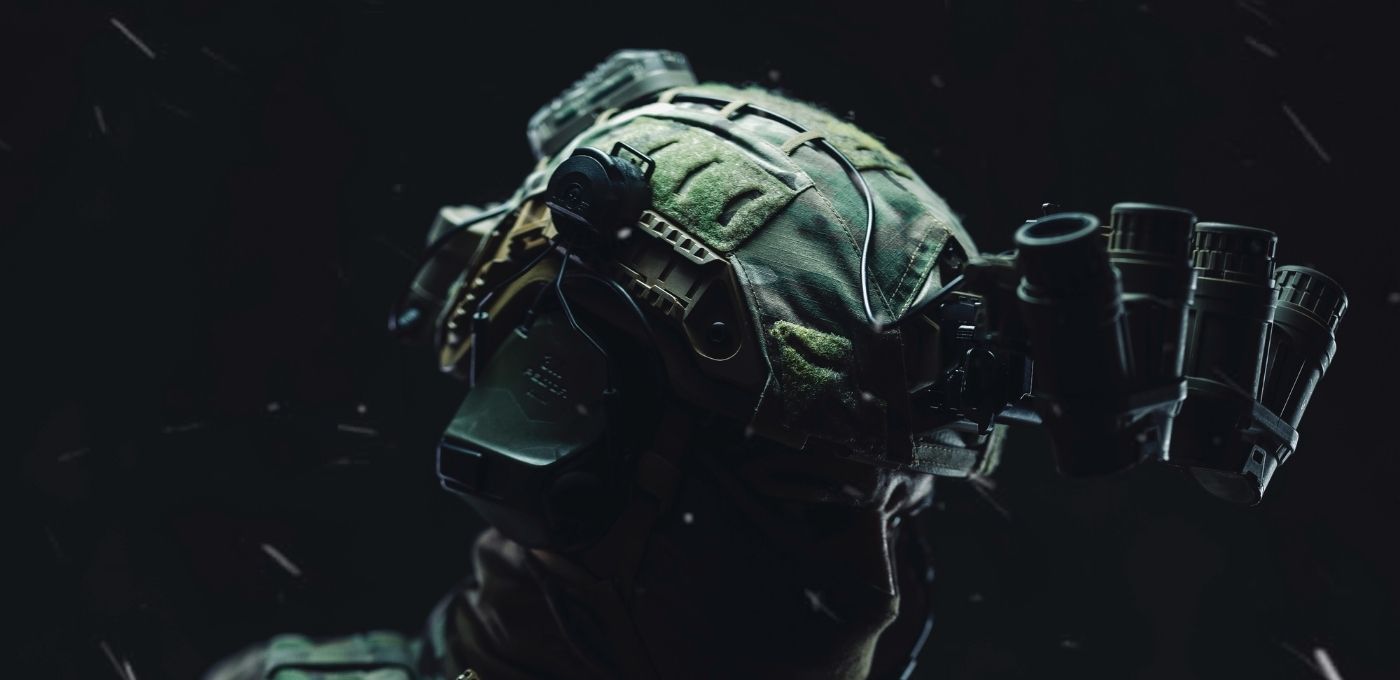
Discover the highest rated ballistic helmet: Independent lab tests & top brand reviews

Type “level 4 ballistic helmet” into Google and you’ll get buried in search results faster than you can say tacticool. Product listings, YouTube “tests,” and gear forums all swearing that somewhere out there, a helmet exists that can shrug off an armor-piercing .30-06 like it’s a Nerf dart. Sounds great, right? The problem is… it’s about as real as a lightsaber at Walmart.
Here’s the truth: there is no such thing as a level IV ballistic helmet. Not in 2025. Not in your buddy’s gear locker. And definitely not in that suspicious $200 Amazon listing with stock photos. The National Institute of Justice (NIJ) only certifies helmets up to Level IIIA – meaning handgun protection and fragmentation, not rifle fire. Got it?
So why does the “level IV helmet” myth keep popping up? Easy: because everyone wants it to be true. We all like the idea of Iron Man headgear that makes you bulletproof from every angle. But physics, materials, and your poor neck muscles have other plans.
So, despite widespread claims online, a true level 4 ballistic helmet does not currently exist due to material and physical limitations. Marketing often mislabels some helmets as “level IV” even though they don’t meet official standards. If you need rifle-level head protection, there are still no commercially viable, wearable options – body armor plates remain the answer for level IV threats.
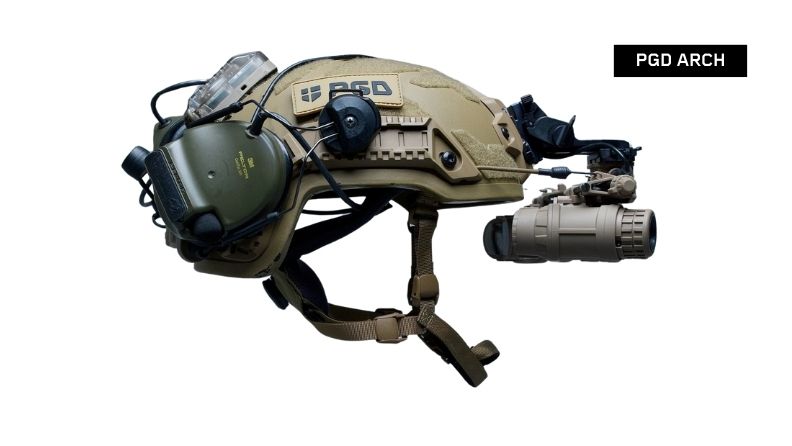
For maximum practical head protection, modern lightweight ballistic helmets like the PGD ARCH GEN3 shield against handgun rounds and high-velocity fragments. Rely on layered protection and trusted providers, not internet myths.
Let’s explain the Internet myth.
Like we said… Search for “level 4 ballistic helmet” and you’ll instantly find pages of products, reviews, and “expert” claims. But is a true level IV helmet real, or is it a myth perpetuated by online marketing?
To make informed, safe decisions about head protection, understanding the origin of this myth is crucial.
As civilian demand for effective ballistic helmets grew, manufacturers and sellers noticed a major trend: customers want – and expect – helmets that can protect against rifle threats just like the highest-rated body armor plates. Naturally, some brands responded by marketing helmets as “level IV,” directly referencing the National Institute of Justice’s (NIJ) highest rating for ballistic protection.
Many of these so-called “level IV” helmets for sale suggest they’ll stop armor-piercing rifle rounds.
In reality, these claims are unsubstantiated and not supported by actual NIJ testing or certification; it’s a case of sales language running far ahead of scientific fact.
And it’s dangerous.

In the ballistic protection industry, transparency isn’t just a nice-to-have – it’s a matter of trust and safety. When lives are on the line, there’s no room for exaggerated claims, vague specs, or flashy marketing that promises more than science can deliver. That’s why at Protection Group Denmark, we make it a priority to share clear, honest information about what our helmets are tested to do – and what they’re not. From sharing information to explaining standards in plain language, we do our best to cut through the confusion so professionals and civilians alike can make informed decisions.
Because at the end of the day, real protection starts with real knowledge.
Let’s set the record straight. The NIJ establishes standardized ballistic protection levels – or “threat levels” – for both body armor and helmets. For helmets, NIJ recognizes only up to Level IIIA:
No NIJ standard for helmets goes above level IIIA. If someone advertises a “level 4 ballistic helmet,” that product has not, and cannot, meet any official NIJ level IV standard.
Read our article “What level of protection does a ballistic helmet provide?” on our PGD blog, if you are interested in more information.
Check out the table, where you can see the modified NIJ Standard 0106.01:

Why does the level IV helmet myth refuse to die? The answer is a gap between wishful thinking and material science. People want helmets that match their plate armor for full rifle-rated coverage. Brands, looking to cash in on consumer expectations, blur the truth with buzzwords. And unfortunately, confusion grows when search engines serve up “level IV” helmets for sale that actually offer far less protection – and may be unsafe for real-world rifle threats.
Let’s look a the technical truth. It’s time to pull back the curtain on the reality of ballistic helmet protection – and why, as of 2025, no commercially available helmet can be level IV rated.
As previously mentioned, the NIJ’s helmet standards (0106.01/0108.01) only define protections up to level IIIA. Helmets tested to this standard will stop high-velocity handgun projectiles and various fragmentation threats – but not rifle rounds.
Level III and level IV standards – requiring the defeat of 7.62x51mm NATO, 5.56x45mm, or armor-piercing .30 caliber rounds – apply only to hard body armor plates, not helmets. No helmet manufacturer can truthfully or legally claim to supply a genuine NIJ level IV-certified helmet because no helmet has ever passed or even been tested for this ballistic threat according to current standards.
Creating a lightweight, wearable helmet capable of stopping rifle or armor-piercing rounds is beyond today’s technology. Here’s why:
Despite heavy research globally, the fundamental properties of helmet-grade materials have not yet caught up to the rifle-level performance of flat armor plates.
Modern level IIIA ballistic helmets, like those made from aramid or UHMWPE, reliably stop:
They are not, and should not be, claimed as able to stop direct rifle fire. This is why ethical and transparent manufacturers provide detailed, accurate threat ratings – not “level 4” shortcuts.
Anyone in military, law enforcement, or security operations knows that rifle threats remain among the most lethal on the modern battlefield. So what exactly would a level IV helmet have to do – why isn’t it practical – and how should you think about your own protection?
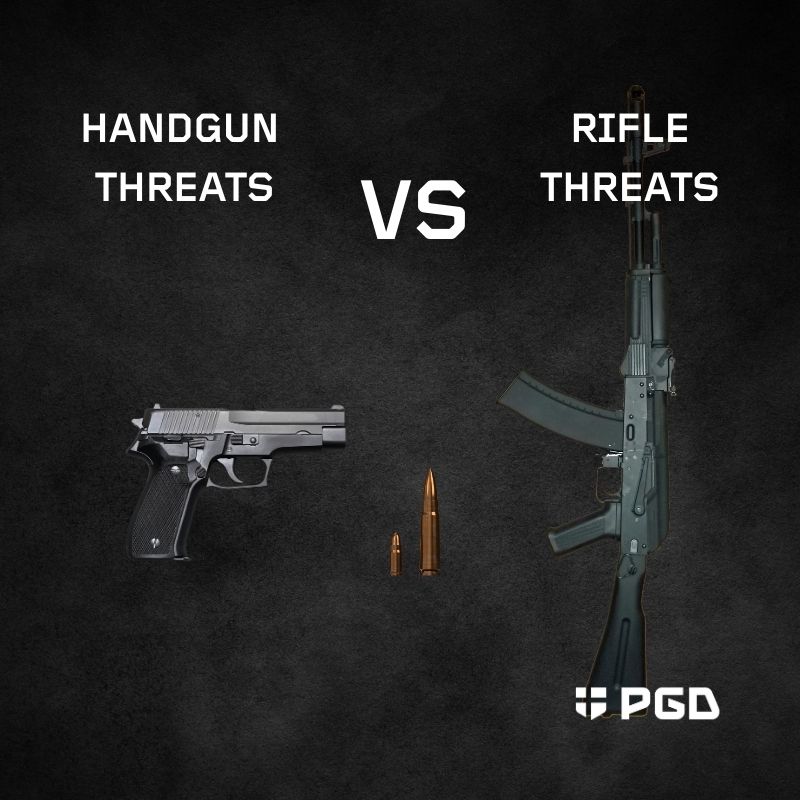
A real “level IV helmet” would need to stop a .30 caliber armor-piercing round traveling over 2,850 feet per second. As of today, no wearable helmet can offer this.
Now, let’s play pretend for a second. Picture a helmet built thick and dense enough to match the ballistic resistance of a level IV plate – basically strapping a brick to your head and calling it “innovation.” A single level IV plate weighs around 6 pounds. Put that kind of armor all the way around your skull, and you’re looking at a helmet tipping the scales at 10 pounds or more.
Sounds manageable? Think again. That’s like duct-taping a bowling ball to your head and then trying to sprint, shoot, and keep situational awareness. Every time you turn to check your flank, your neck is screaming for an MRI. Long-duration missions? Forget it. Even standing guard duty would feel like a CrossFit workout designed by your worst enemy.
The problems don’t stop there. A 10+ pound helmet would:
And here’s the kicker: all that extra weight actually makes you less safe. If your helmet is so heavy that you can’t move, react, or even hold your head up properly, the protection becomes self-defeating. Instead of saving your life, your “super helmet” turns into a neck injury waiting to happen.
In short? A level IV helmet might be able to stop a bullet – but it’ll stop you first.
Given these realities, smart operators and professionals rely on layered protection – combining a modern level IIIA+ helmet – like our PGD ARCH GEN3 – with high-quality body armor plates for vital torso protection. Your headgear’s job is to maximize coverage for the most credible threats (handguns and fragments) without compromising operational comfort.
If you’re serious about personal protection, the science is clear: the best option combines practical ballistic stopping power, advanced materials, and proven ergonomics. The next wave of headgear innovation is embodied by advanced level IIIA helmets.
Cutting-edge helmets are constructed from:
These material advances have dramatically improved both protection and comfort, lowering weight while meeting rigorous ballistic standards.
Top helmets like the PGD ARCH GEN3 Ballistic Helmet are tested to:
With their advanced padding and stability systems, these helmets are trusted by military, police, and high-risk security professionals worldwide. The PGD ARCH GEN3 has one of the most comfortable padding systems in the industry. Check out the PGD 10-pad helmet liner. Everyone’s head is different, of course, but we consistently get great feedback on this solution – especially when paired with our PGD Dial Retention System.
If you are curious, you can visit our “What They Say” page and read real user stories.
The PGD ARCH GEN3 Ballistic Helmet stands out for these reasons:
If you’re looking for the most advanced, wearable head protection actually available today, the PGD ARCH GEN3 is your answer. Learn more about the PGD ARCH GEN3 Ballistic Helmet.
With the internet being what it is, you don’t have to look far to find some wild claims about ballistic helmets. One brand swears their helmet will stop an AK round at point-blank range. Another pops up on Amazon promising “level IV protection” for less than the price of a decent pair of boots. And of course, there’s always that one YouTube video where a guy shoots at a helmet duct-taped to a watermelon and declares it “battle ready.”
So how do you cut through the noise?
How do you know if a helmet is actually field-proven or just marketing hot air wrapped in tactical buzzwords? Easy: you start separating science from salesmanship, facts from hype, and real protection from cheap knockoffs that look great in stock photos but fold faster than a lawn chair when put to the test.
Here’s how to tell the difference between helmets that actually protect your head – and helmets that are basically cosplay with a chin strap.
Not all brands are created equal. Choose providers with:
Protection Group Denmark stands at the forefront of honest, research-driven ballistic innovation. Our helmets are worn on real missions, tested weekly, and built to the highest international standards. Don’t believe everything you see on the Internet – choose the name trusted by professionals.
Remember, the best real-world protection isn’t about chasing the biggest number or the flashiest claim. It’s about:
For detailed spec sheets, certified helmet test results, and professional advice, explore tactical gear you can trust with Protection Group Denmark.
There’s no such thing as a true “level 4 ballistic helmet” – not in 2025, and not until material science makes a quantum leap. Until then, don’t risk your safety (or your mission) on marketing myths. Equip yourself with the best proven protection: the latest generation of NIJ IIIA helmets, trusted plates, and smart, layered protection. Make your next helmet decision with clarity, not confusion – and let Protection Group Denmark lead the way in honest, real-world ballistic protection.
Despite widespread claims online, a true level 4 ballistic helmet does not currently exist due to material and physical limitations. The National Institute of Justice only certifies helmets up to Level IIIA, offering protection primarily against handgun threats and fragmentation. Marketing often mislabels some helmets as “level IV” even though they don’t meet official standards. If you need rifle-level head protection, there are still no commercially viable, wearable options – body armor plates remain the answer for level IV threats.
A real “level IV helmet” would need to stop a .30 caliber armor-piercing round traveling over 2,850 feet per second. Level IV standards – requiring the defeat of 7.62x51mm NATO, 5.56x45mm, or armor-piercing .30 caliber rounds—apply only to hard body armor plates, not helmets.
Creating a lightweight, wearable helmet capable of stopping rifle or armor-piercing rounds is beyond today’s technology. Even the latest aramid fibers and advanced polyethylene composites can only disperse the energy of high-velocity handgun rounds and fragments. Rifle rounds, especially armor-piercing projectiles, deliver energy far in excess of what current helmet materials can absorb or redirect. Despite heavy research globally, the fundamental properties of helmet-grade materials have not yet caught up to the rifle-level performance of flat armor plates.
Protect what matters.
We’ve moved our U.S. sales
Protection Group Denmark products are now available in the United States exclusively through our official distributor, Colorado Gun Fighter. This store is no longer accepting new orders — please continue your purchase there.
Already placed an order with us? Don’t worry — all existing orders will be fulfilled as normal.
Shop at Colorado Gun Fighter