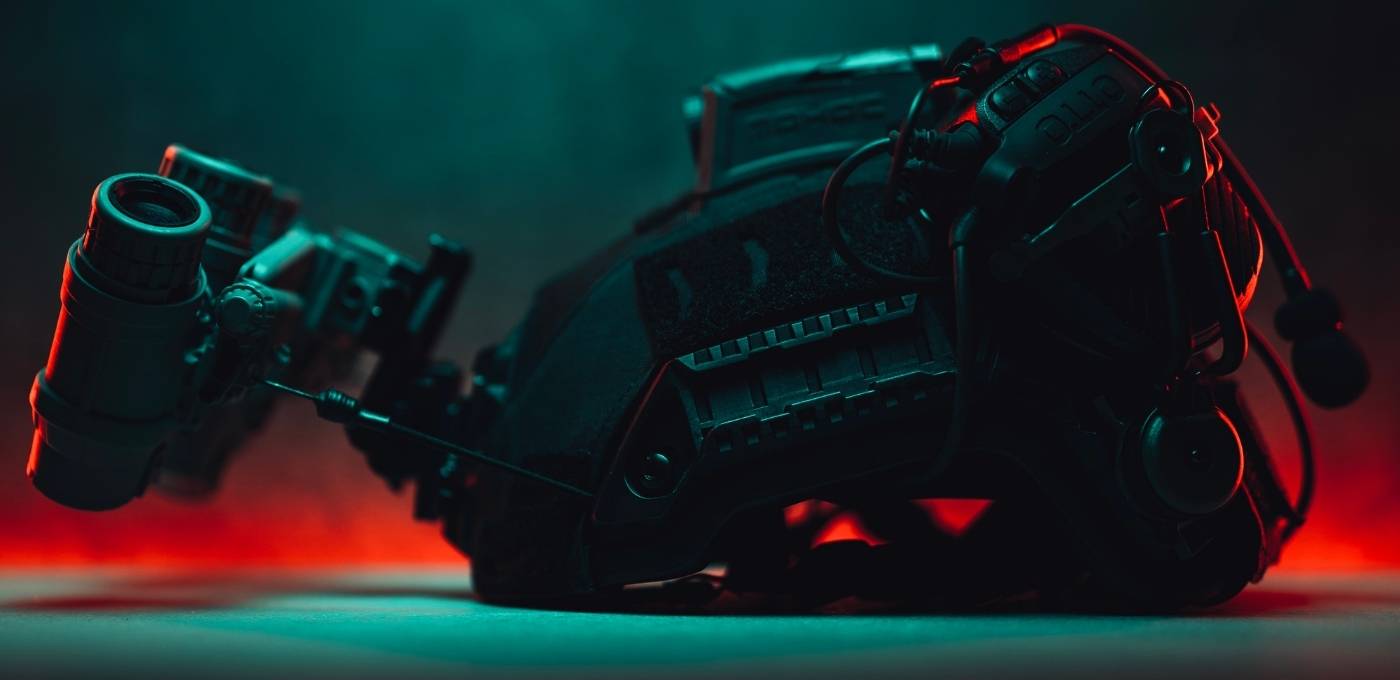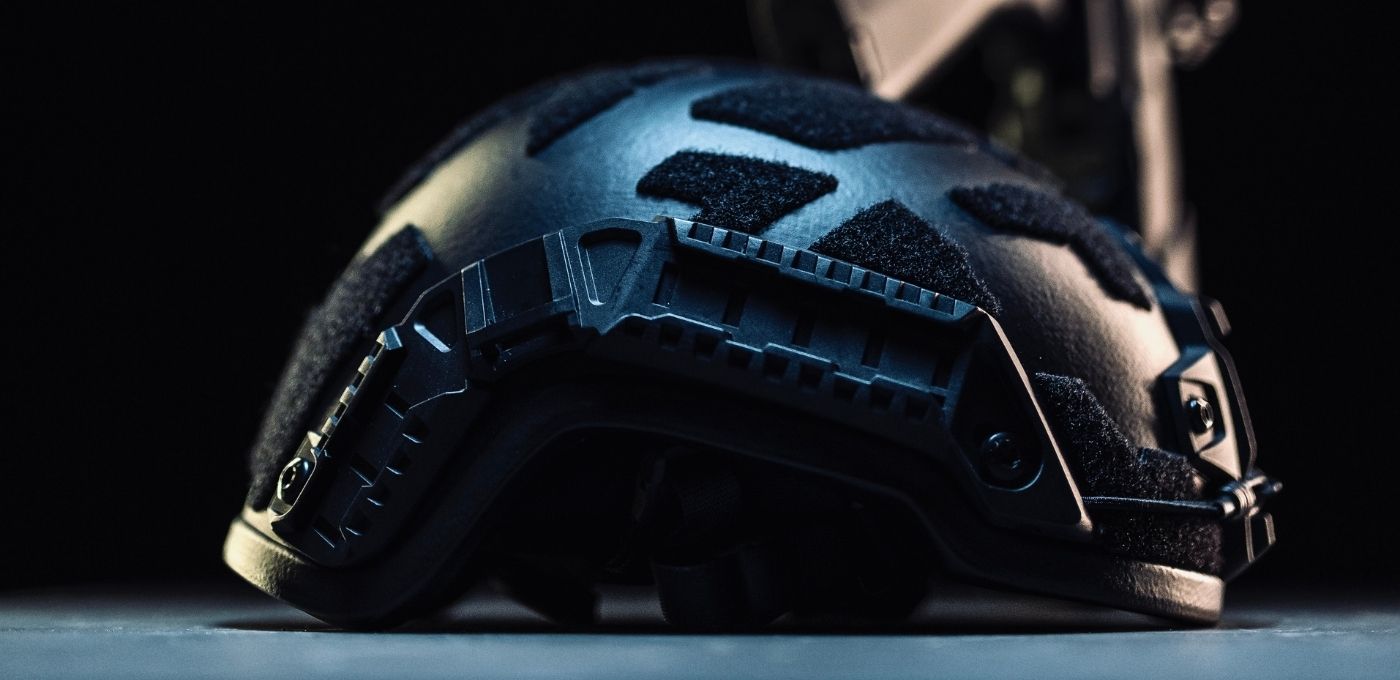
Police ballistic helmets: What do law enforcement officers really need to know?
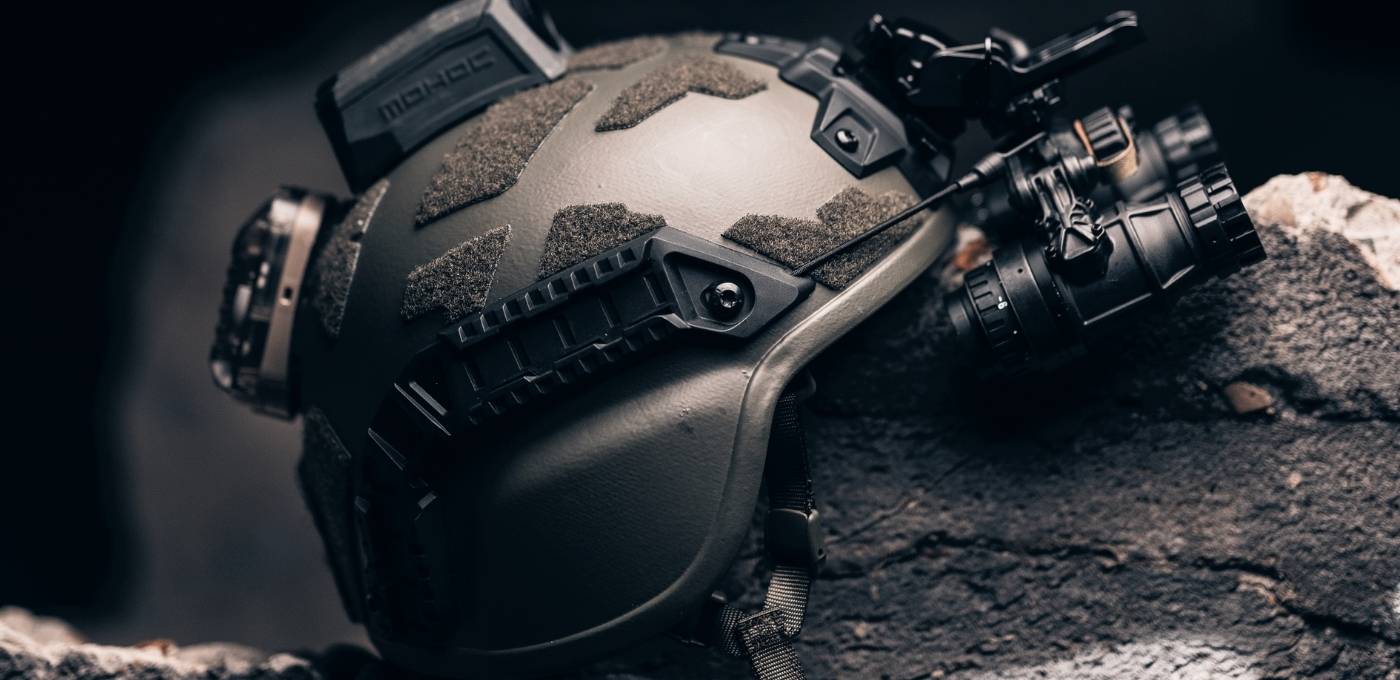
It’s time. Let’s talk about the shelf life of your brain bucket.
Look, we get it – there’s a lot in life you can ignore past its prime. That yogurt in the back of the fridge? Maybe. Those sneakers with the talking soles? Probably. But your ballistic helmet? That’s not where you want to gamble.
Unlike a banana, your helmet won’t turn brown and smell weird when it’s past its best. In fact, it might look perfectly fine – right up until it doesn’t stop what it’s supposed to. So the big question is: do ballistic helmets expire, or are they the tactical equivalent of Twinkies – immortal and apocalypse-proof?
Spoiler: They’re not.
In this guide, we’ll break down what “expiration” really means for ballistic helmets, why your gear has a lifespan, and how to tell when it’s time to retire your Kevlar crown. And yes, we’ll even explain why licking your helmet clean with brake fluid (please don’t) might not be the best idea for long-term protection.
Let’s dive in – because your head deserves more than expired promises.
Ballistic helmets do not have a strict expiration date, but their materials degrade over time. Modern helmets typically remain reliable for 5 to 10 years, depending on their construction, manufacturer guidelines, and exposure to environmental stress. Factors such as UV light, moisture, extreme temperatures, and impacts speed up this degradation. Regular inspection is key; retire helmets showing visible damage or after significant events. The PGD ARCH GEN3 Ballistic Helmet features a 10-year warranty on its shell, reflecting its durability. For optimal performance, follow recommended replacement intervals and care guidelines.
When it comes to personal protection, clear information is everything. If you rely on ballistic helmets for duty, security, or personal protection, you need confidence in your gear’s reliability. But do ballistic helmets expire? The answer is nuanced. We know. It’s annoying. Just pick a date.
But unlike food or medicine, helmets don’t “expire” on a specific date; instead, their protective ability fades as materials age and degrade.
Check out the YouTube video embedded below. Although it’s not one of our helmets, we still think the video is cool to watch 😉
The video examines whether a Kevlar helmet that’s past its “expiration” still offers protection against common handgun rounds. The host tests its ballistic performance to determine if it remains life-saving despite being expired. The testing suggests they may stop common handgun rounds – but may still transmit dangerous force to the wearer. Even if a bulletproof helmet appears to still stop rounds, factors like back-face deformation can still lead to fatal injuries. Therefore, relying solely on an expired helmet without thorough testing or proper inspection is risky.
But… In the end…
Wearing an expired ballistic helmet is like trusting a 20-year-old parachute – you might be fine, but are you really willing to bet your head on “maybe”? Over time, materials like Kevlar and UHMWPE will lose their strength, especially if they’ve been exposed to sun, moisture, heat, or rough handling. Even if it looks fine on the outside, invisible damage can mean it won’t perform when you need it most. An expired helmet isn’t a badge of loyalty or nostalgia – it’s a liability. Retire it, replace it, and keep your brain where it belongs.
In the context of ballistic helmets, “expiration” doesn’t refer to a sudden loss of protection once a certain date passes. Instead, it’s about material degradation impacting performance over time. Kevlar, aramid, and advanced polymers used in bulletproof helmets can lose their ballistic properties gradually. This means that while a helmet doesn’t just “go bad” overnight, an old or neglected helmet may no longer offer adequate protection. So, when people ask, “do kevlar helmets expire,” the practical answer is: not instantly, but their effectiveness does diminish with age and use.
Recognizing the risk of performance decline, leading manufacturers – including those supplying military helmet armor – set recommended replacement intervals. Most commonly, ballistic helmets are rated for a bulletproof helmet lifespan of 5 – 10 years. These intervals are informed by lab testing, field use data, and the known life cycles of materials like Kevlar and UHMWPE.
For instance, some military helmet expiration guidelines set a 5-year cycle for high-wear platforms, while advanced helmets such as our own PGD ARCH GEN3 Ballistic Helmet feature an industry-leading 10-year warranty on the shell. These recommendations are not just about calendar age; they consider real-world stress, storage, and care.
So yeah, you’ve got some responsibility here. Treat your helmet right – don’t just toss it in a sunlit windowsill like a forgotten houseplant. Trust us, we can tell when it’s been tanning for five years. 😉
While manufacturer dates are valuable guides, visual and structural inspection is essential. Helmets may require replacement sooner than the recommended interval if damaged, while well-kept helmets sometimes remain serviceable their entire rated lifespan. Regular checks – both visually and by touch- help catch early signs of material degradation that could compromise safety. Never assume a helmet’s condition is good solely because it’s within its warranty or listed lifespan. You got that?
Knowing what kills your bulletproof helmet faster than a bad Tinder date helps you get the most safety and value out of it. Some of the culprits are in your control – others are courtesy of Mother Nature being a bit of a gear-hater. Either way, your helmet’s lifespan depends on more than just its age.
Let’s take a closer look, shall we?
Modern ballistic helmets are typically built with high-strength fibers such as:
How long do ballistic helmets last if stored and used correctly? Most manufacturers, referencing lab testing, place the effective lifespan of these materials at 5–10 years.
The environment is a primary driver of ballistic helmet expiration:
Regular exposure to these stresses shortens military helmet expiration cycles and can void warranties if care guidelines aren’t followed.
Check out our article on “Environmental durability of modern ballistic helmets” if you want to read more.
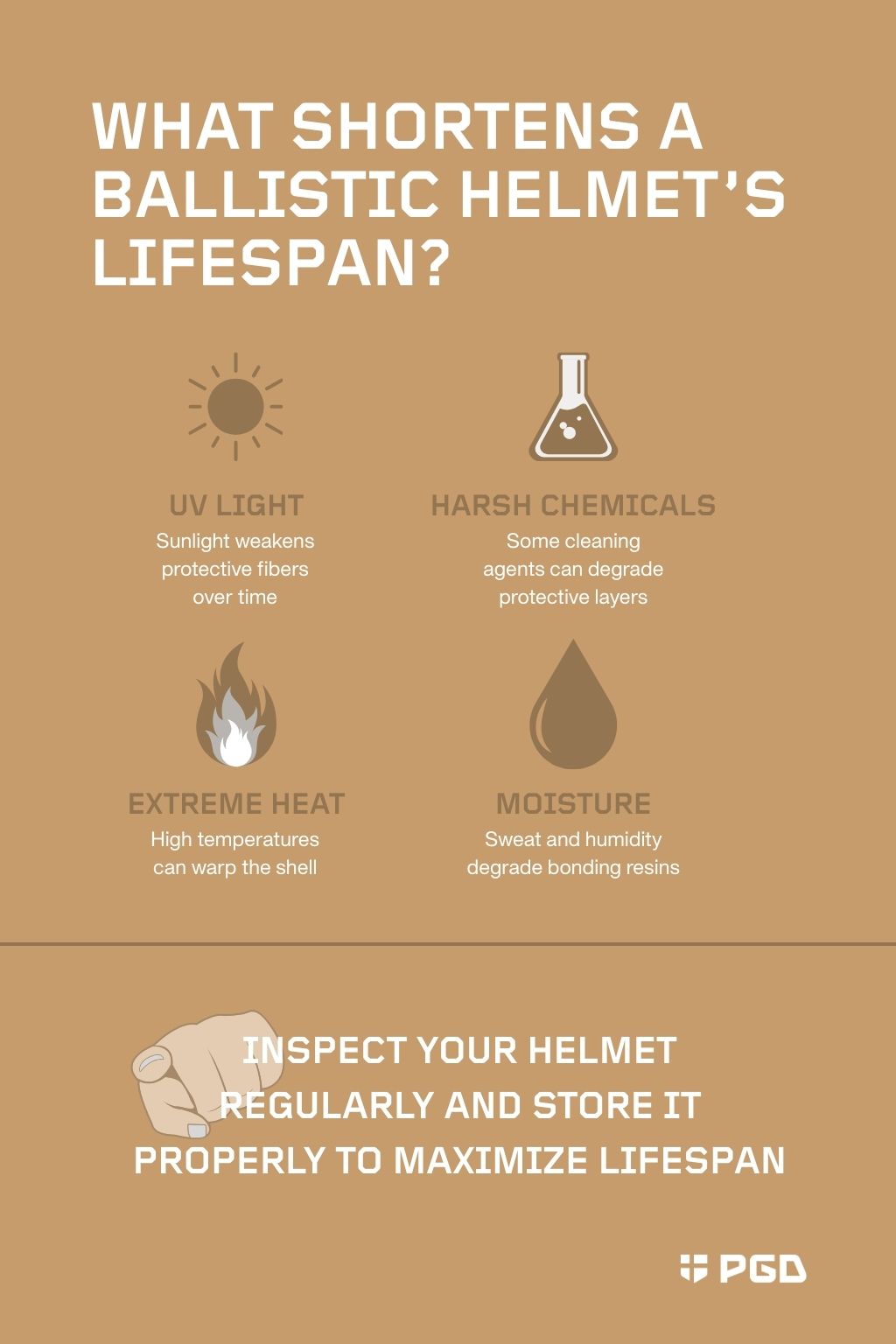
Ballistic helmets are built tough – but not invincible. Drop it one too many times, strap a small toolbox to the side, or use it to break your fall during a tactical faceplant, and you might be brewing some invisible damage. Hairline fractures and internal delamination don’t come with warning lights. And if your helmet’s actually taken a bullet for you? First, buy it a drink. Then retire it immediately. No exceptions – expired or not, it’s done its job. Let it go out a hero.
Knowing when to retire, replace, or repair your helmet is key to reliable personal protection. Manufacturer guidance, ongoing inspections, and common-sense protocols provide a framework.
Most helmets display a manufacturing or “expiration” date and carry an associated warranty period. Here’s how to interpret them:
This information, located on the helmet’s interior label or documentation, is the starting point for your replacement timeline.
Regular inspections (at least semi-annually, or after any incident) are essential. During checks, look for:
A helmet showing such symptoms should be removed from service, even if it’s still within its theoretical expiry.
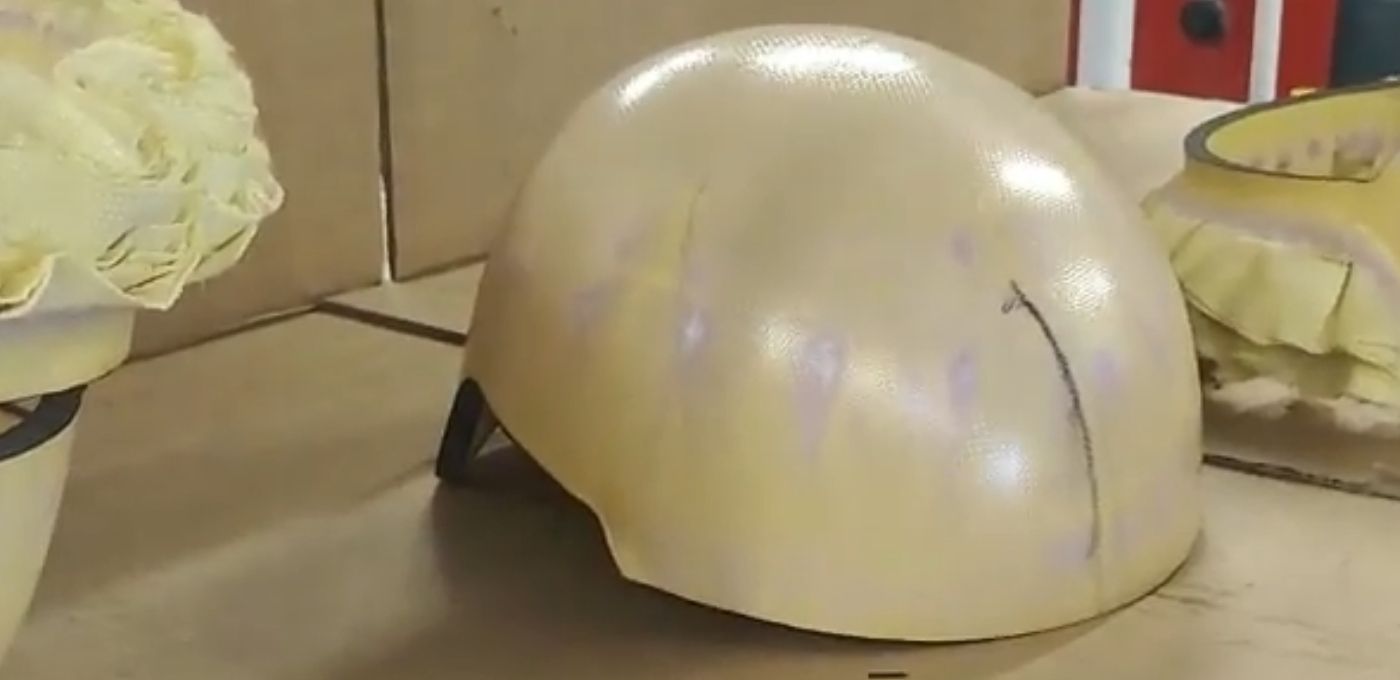
And now look and the picture of the helmet below. This isn’t just “a little worn out” – it’s an expired piece of gear that’s now best suited for display, training demos, or as a cautionary tale about why regular replacement and proper storage matter. In other words, this helmet’s days of protecting a head in the field are officially over.
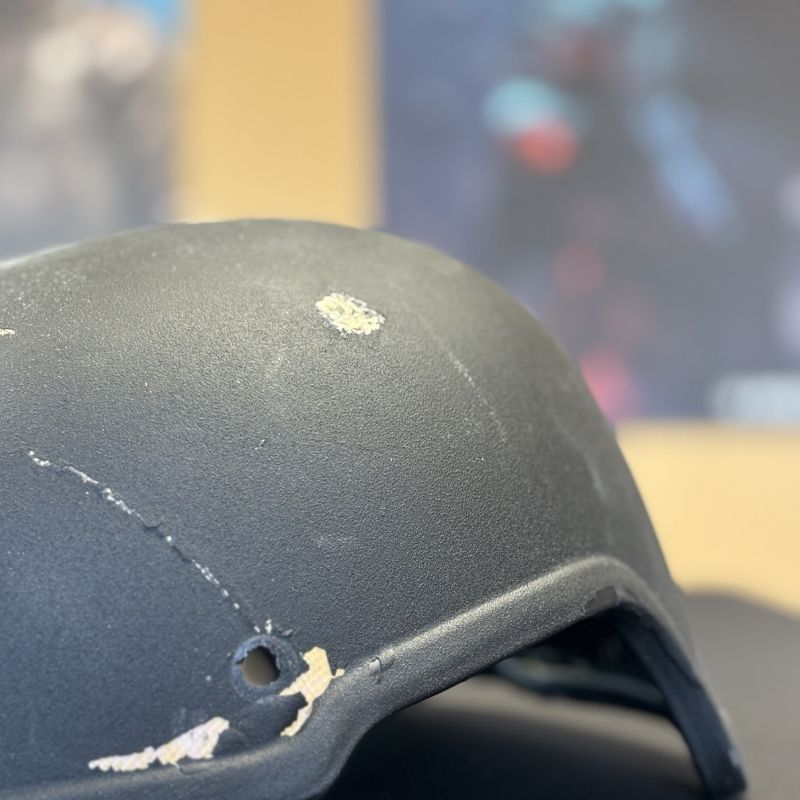
Which brings us to the next topic: if your helmet looks like that…. Do yourself a favor and get a new one before it becomes modern art.
Some moments in a helmet’s life scream “retirement party” loud and clear – no matter what the manufacturer’s timeline says. If any of these happen, don’t think, don’t debate, just replace. Your skull will thank you. These events are:
Wondering “can I use an expired kevlar helmet” after such events? The answer is always no – safety comes first.
When choosing a ballistic helmet, product design, warranty, and post-purchase support matter. Protection Group Denmark sets the standard for longevity and user confidence with robust quality assurance and transparent care guidelines.
The PGD ARCH GEN3 Ballistic Helmet comes with a 10-year warranty on the shell – a testament to the durability of its advanced materials and manufacturing precision. This warranty covers defects in materials and workmanship, providing assurance against premature degradation under normal use and care. While the helmet’s shell is protected for a full decade, users should still inspect it regularly and retire it after major impacts as industry best practices dictate.
To maximize both performance and value, we recommend:
Combining the long bulletproof helmet lifespan with attentive care gives users the best balance of safety and long-term investment.
For more information on ballistic helmet expiration, care instructions, or product support, Protection Group Denmark provides detailed resources, technical support, and responsive customer service. Whether you have questions about military helmet expiration, need documentation for warranty claims, or want to explore advanced protective gear like the PGD ARCH GEN3 Ballistic Helmet, our team is ready to assist.
Ballistic helmets are critical safety assets – treat them as such. While there is no instant “expiration” date like with perishable goods, all helmets experience wear and degradation based on material, use, and environment. By understanding ballistic helmet expiration, routinely inspecting your gear, and following leading manufacturer guidelines, you can be confident in your helmet’s protective reliability right up to – never beyond – the end of its rated lifespan.
For those seeking extended durability and industry-leading warranty coverage, the PGD ARCH GEN3 Ballistic Helmet offers robust protection and long-term peace of mind. Explore more guides and direct support at Protection Group Denmark, and make sure your protective gear is always up to standard.
Regularly inspect your helmet, follow manufacturer schedules, and never compromise on your safety.
Ballistic helmets do not have a strict expiration date, but their materials degrade over time. Modern helmets typically remain reliable for 5 to 10 years, depending on their construction, manufacturer guidelines, and exposure to environmental stress. Unlike food or medicine, helmets don’t “expire” on a specific date; instead, their protective ability fades as materials age and degrade. Most helmets display a manufacturing or “expiration” date and carry an associated warranty period. The expiration date is the point at which the manufacturer advises you to stop using the helmet, based on expected material performance. This information is located on the helmet’s interior label or documentation and serves as the starting point for your replacement timeline.
The environment is a primary driver of ballistic helmet expiration. Factors that accelerate wear include UV light (direct sunlight), which accelerates polymer breakdown and weakens fibers; moisture from sweat, rain, or poor storage, which can weaken bonding resins and fibers; extreme temperatures, especially high heat, which can warp or delaminate helmet shells; and contact with oils, solvents, and some cleaning agents, which can degrade protective layers. Regular exposure to these stresses shortens ballistic helmet lifespan and can void warranties if care guidelines aren’t followed.
Most commonly, ballistic helmets are rated for a lifespan of 5–10 years, according to manufacturer guidelines informed by lab testing, field use data, and the known life cycles of materials like Kevlar and UHMWPE. Some military helmet expiration guidelines set a 5-year cycle for high-wear platforms, while advanced helmets such as the PGD ARCH GEN3 Ballistic Helmet feature an industry-leading 10-year warranty on the shell. Departments should use the date of manufacture, the expiration date provided, and ongoing inspections to schedule replacement. Helmets may require replacement sooner than the recommended interval if damaged, and regular inspections are essential.
Any helmet that has stopped a bullet or fragment should be retired, regardless of visible damage. If the helmet is dropped from height onto a hard surface or hit with force, internal damage may not be externally visible and it should be replaced. The answer is always no – never use a ballistic helmet after such stresses; replacement is mandatory for continued safety.
Protect what matters.
We’ve moved our U.S. sales
Protection Group Denmark products are now available in the United States exclusively through our official distributor, Colorado Gun Fighter. This store is no longer accepting new orders — please continue your purchase there.
Already placed an order with us? Don’t worry — all existing orders will be fulfilled as normal.
Shop at Colorado Gun Fighter