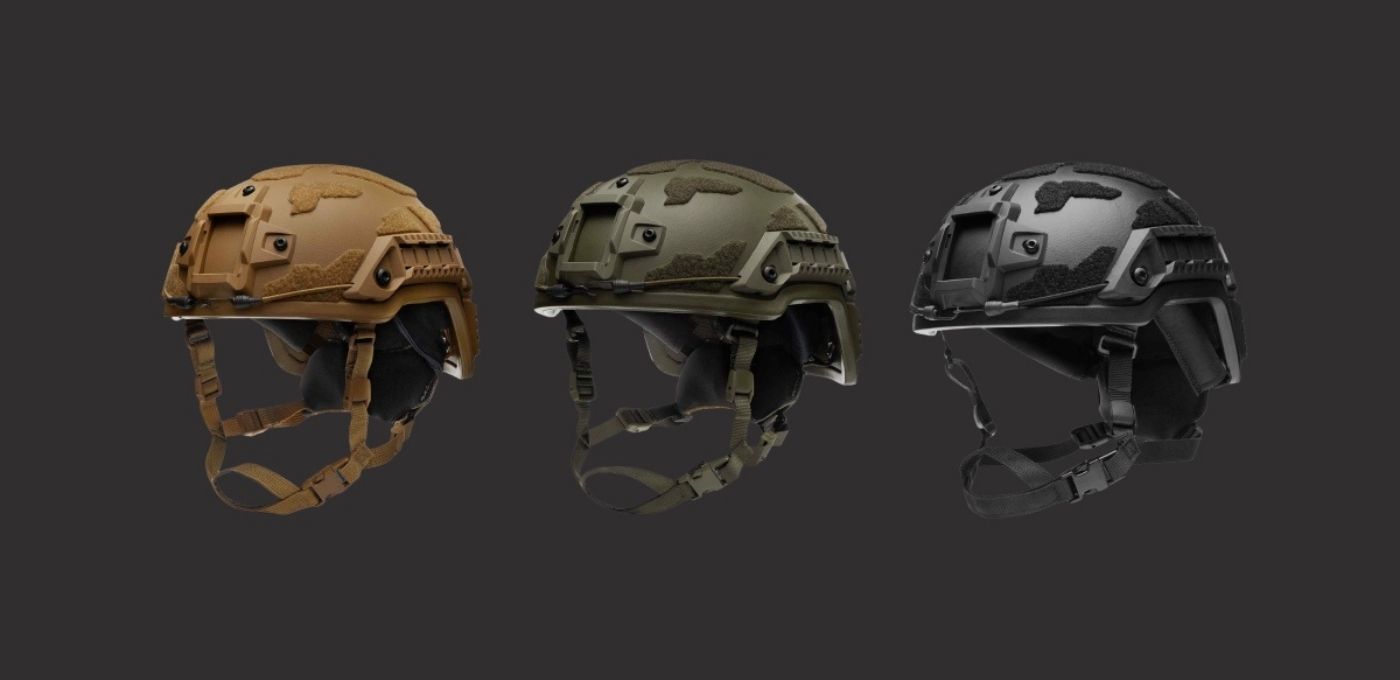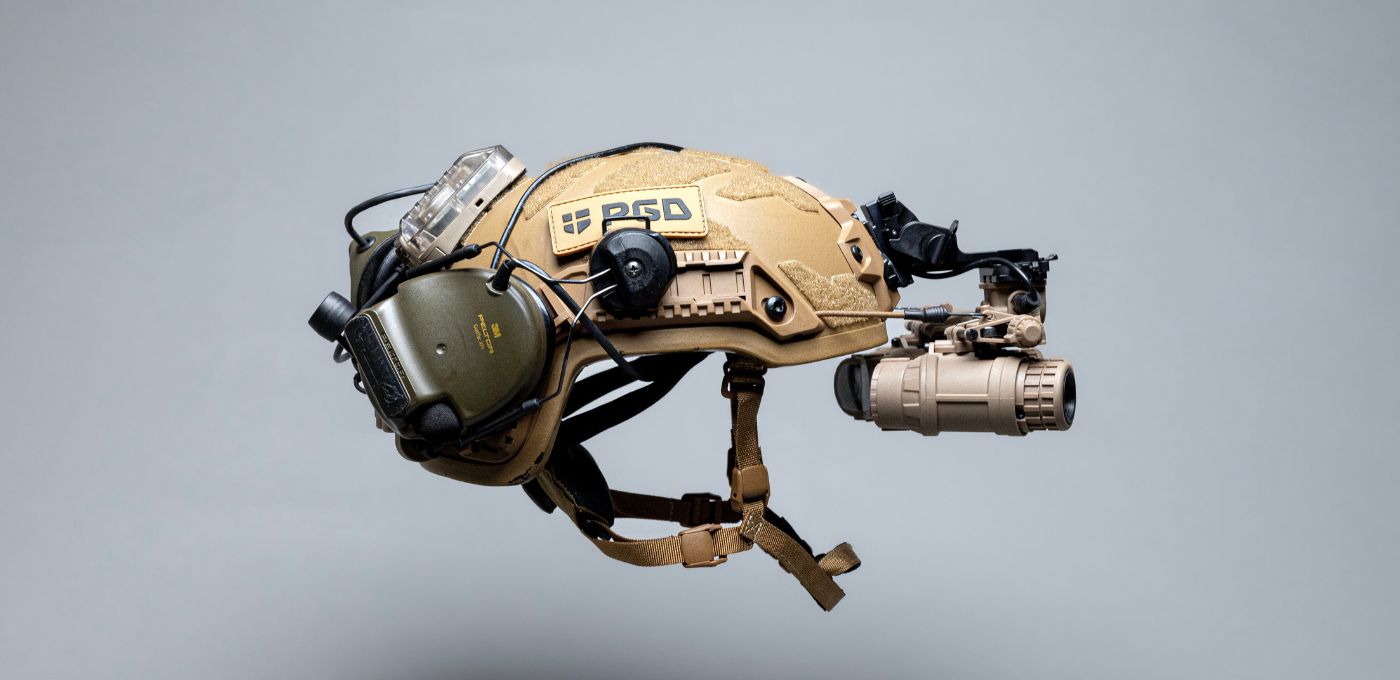
How should a ballistic helmet fit? A guide to achieve the perfect fit for your PGD ARCH GEN3 ballistic helmet

If your job involves bullets, fragments, or anything else that goes boom, you’d better start caring about what’s protecting your head.
Ballistic helmets aren’t just fancy buckets for your brain – they’re feats of engineering, built from high-tech fibers that can stop what most people would prefer to avoid entirely. From Kevlar® aramid layers that absorbes impacts like it’s their day job to UHMWPE that’s so light it can literally float, these materials decide whether your next mission feels like a sprint or a chiropractic appointment.
So, what exactly goes into these helmets, and why does it matter whether your protection comes from Kevlar, polyethylene, or some top-secret hybrid blend? Let’s lift the lid (carefully) and find out what’s really keeping operators safe in the field.
PGD helmets use genuine Kevlar® for trusted NIJ-rated protection, comfort, and wearability, supporting operators in the field without compromise.
Selecting the right ballistic helmet materials is a mission-critical decision for modern tactical operators. Ballistic helmets serve as the last layer of defense for law enforcement, military personnel, and high-risk security professionals – where both protection and mobility matter. But what are ballistic helmets made of, and how does the choice of material shape their performance in the field?
Understanding the science and technology behind helmet construction empowers professionals to make informed decisions about their headgear.
In today’s operational landscape, the threats faced by responders and soldiers are more varied and unpredictable than ever. Ballistic helmets have moved far beyond steel or fiberglass shells to become carefully engineered systems tailored for real-world scenarios. These helmets protect against projectiles, fragments, and blunt impacts – while supporting communication, optics, and night vision devices. Material selection is the foundation that determines how well a helmet can handle these demands without compromising the wearer’s comfort or effectiveness.
The core requirements for ballistic helmet materials are straightforward yet highly technical:
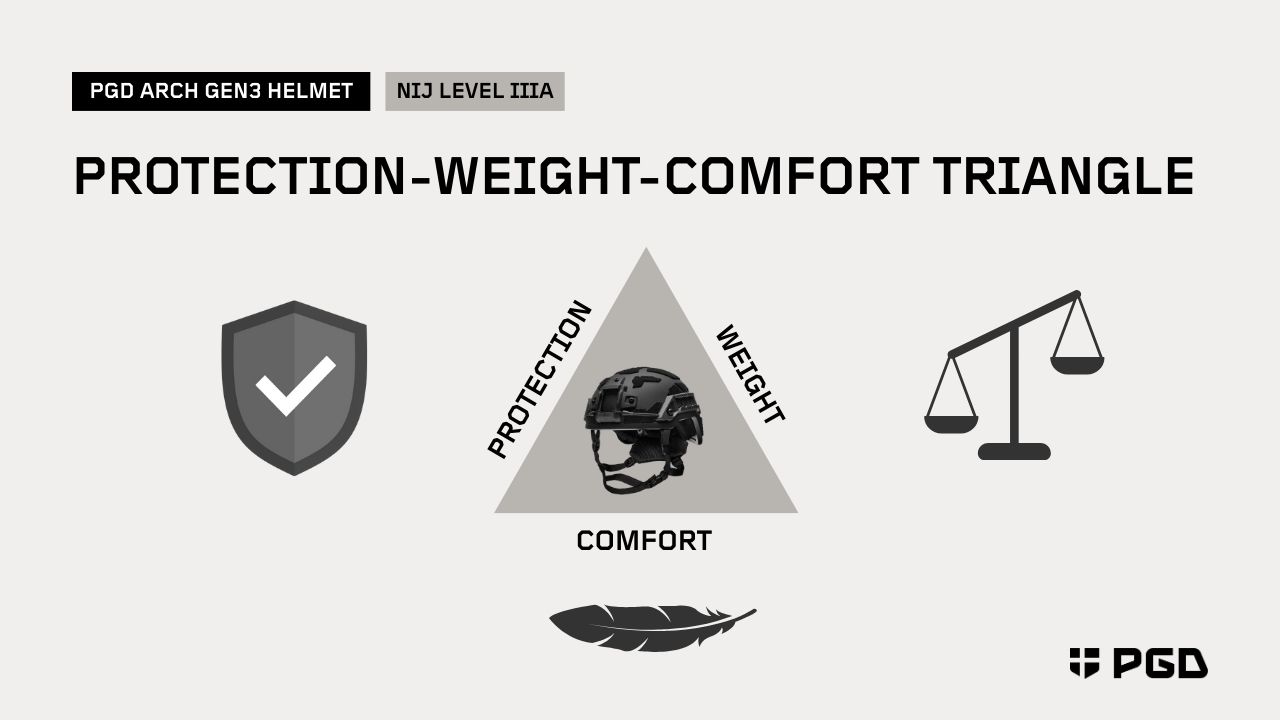
Striking the right balance between these factors is what sets advanced helmet systems apart.
When it comes to what ballistic helmets are made of, two materials set the standard for modern protection: aramid fibers (Kevlar) and ultra-high molecular weight polyethylene (UHMWPE). Both bring unique properties to the table, and ongoing innovation continues to shape the industry.
Kevlar® aramid fiber is a synthetic polymer renowned for its exceptional tensile strength-to-weight ratio. Since its debut in military helmets in the 1980s, Kevlar has become synonymous with effective ballistic protection. Its dense weave is capable of dissipating and absorbing the kinetic energy from handgun rounds and fragments, which is why the “kevlar ballistic helmet” remains a mainstay in demanding environments.
Key advantages:
Ultra-high molecular weight polyethylene (UHMWPE) is a high-performance thermoplastic emerging as a formidable alternative to aramids. In ballistic helmets, UHMWPE fibers are layered and pressed into ultra-light panels, delivering protection at up to 15–20% less weight than comparable aramid configurations.
Key advantages:
However, the “kevlar vs UHMWPE helmet” debate is influenced by factors beyond weight – including cost, resilience under heat, and long-term durability.
R&D in helmet design now increasingly explores:
These advancements aim to refine performance and comfort while managing price and supply constraints.
It’s not just what ballistic helmets are made of, but also how these materials are assembled and validated, that determines their practical effectiveness. Manufacturing quality and compliance with ballistic standards are non-negotiable for end-users.
Ballistic helmet manufacturing involves:
Material utilization and precision molding are critical for ensuring the helmet delivers consistent protection across its entire surface.

If you want to read more about the manufacturing process, read our article: “How to make a ballistic helmet – a guide by Protection Group Denmark” on our PGD Blog.
To ensure performance, helmets must be tested under globally recognized standards, most notably:
Helmets must resist penetration and limit the backface deformation transmitted to the wearer, confirming real-world protection capability.
For many buyers, the central question is how kevlar ballistic helmets compare with UHMWPE helmets on metrics that truly affect performance and safety.
Here’s a direct look at the trade-offs.
In practice, both materials fulfill contemporary ballistic standards when built to specification.
For users facing neck strain or running extended operations, weight may tip the scales toward UHMWPE, but aramid solutions are closing this gap with improved engineering.
For most tactical professionals, value is measured in long-term reliability and certified protection – not just initial specs or price.

At Protection Group Denmark, the commitment to proven performance guides every product decision. PGD helmets use genuine Kevlar® aramid fibers as the primary ballistic material, striking the ideal balance between protection, weight, wearability, and mission versatility. The PGD ARCH ballistic helmet starts its journey in Switzerland with raw Kevlar® fibers from the American company DuPont. These fibers are transformed into aramid layers by Europe’s leading textile research and innovation center, Saati S.p.A. in Italy, before being expertly pressed into the durable and trusted shell.
Kevlar’s unmatched strength-to-weight ratio enables PGD to create helmet shells that surpass critical protection standards without excessive weight. Operators can count on:
Our PGD ballistic helmets are engineered for NIJ Level IIIA protection, stopping common threats from .44 Magnum, 9mm, and fragmentation. The multi-layer, cross-plied Kevlar® construction absorbs and diffuses energy, minimizing trauma and maximizing survivability.
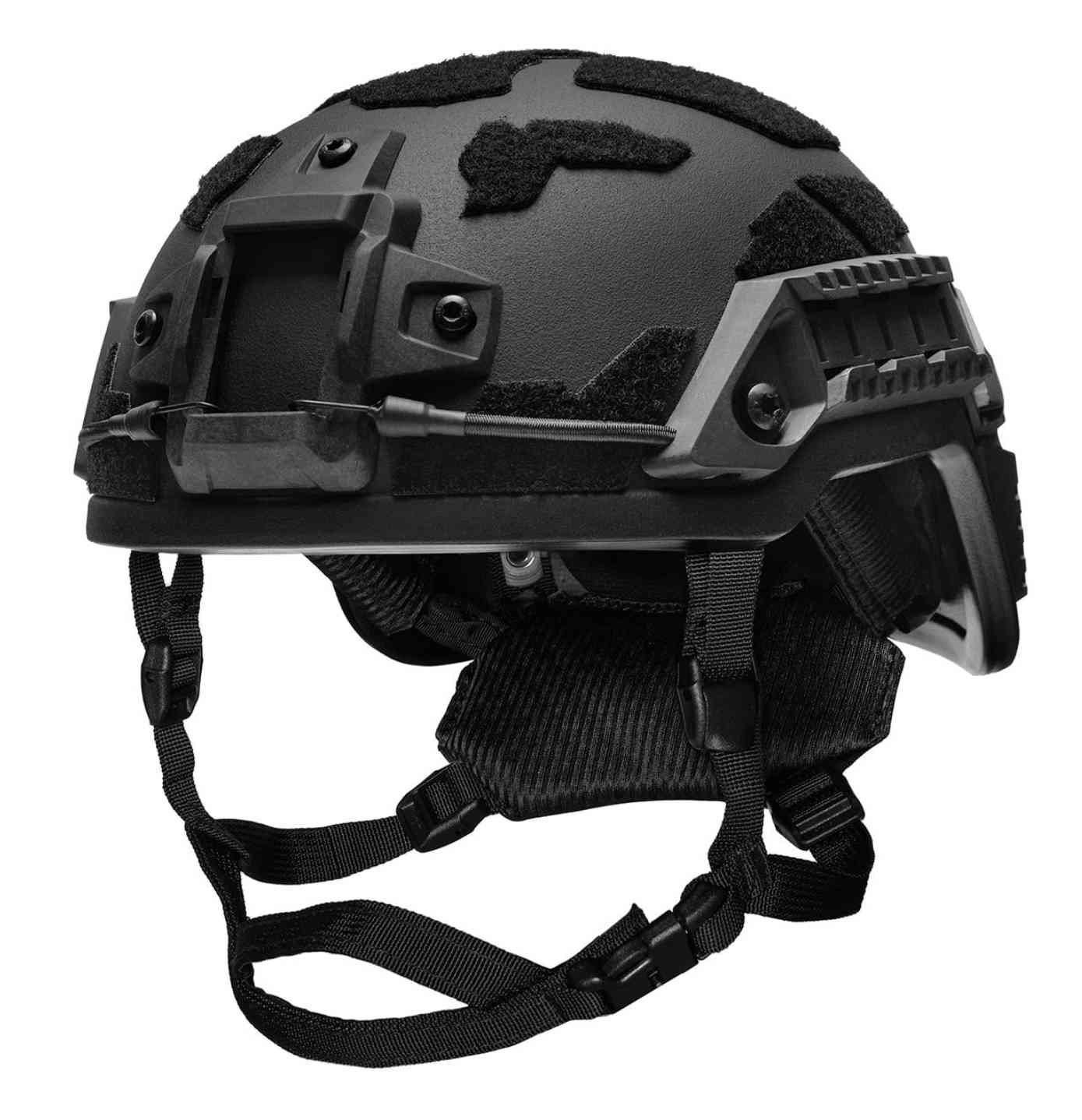
The PGD ARCH GEN3 Ballistic Helmet showcases the real-world advantages of advanced aramid construction:
This model represents the core PGD philosophy: material science focused on the tactical realities faced by end-users in the field.
There’s no single answer to “what are ballistic helmets made of” that fits every mission. The right material and helmet model should match your operational profile – including threat level, duration of wear, and budgetary constraints.
Consider these key factors:
Evaluate the scenarios you encounter most – then select the ballistic helmet materials that deliver optimal protection and long-term performance.
To make an informed choice, review detailed product specifications, and seek reputable manufacturers prioritizing field-tested materials.
Explore the full range at Protection Group Denmark. For those seeking a trusted combination of Kevlar technology, NIJ-rated protection, and operator-centered design, the PGD ARCH GEN3 Ballistic Helmet is engineered to meet your highest standards. Move forward with confidence – your safety, performance, and comfort start with the right ballistic helmet materials.
Ballistic helmets are engineered from advanced materials like Kevlar® aramid fibers and ultra-high molecular weight polyethylene (UHMWPE). Hybrid laminates that combine aramid and UHMWPE layers, as well as emerging materials like nanoengineered fibers and ceramic face sheets, are also being explored to further optimize performance.
Each material impacts weight, durability, cost, and ballistic performance. Kevlar® is known for its strength-to-weight ratio, battle-proven reliability, high heat resistance, and resilience against moisture and UV exposure. Kevlar helmets are typically 10–15% heavier than UHMWPE models but are more cost-effective at scale and renowned for long-term durability. UHMWPE helmets are significantly lighter (up to 15–20% less weight), minimizing neck fatigue and boosting mobility, and do not absorb water. However, they are generally more expensive and sensitive to high temperatures, which can degrade performance over time. Both materials deliver comparable ballistic protection when built to specification, with hybrid and new materials aiming to optimize all attributes.
Yes – hybrid-fiber ballistic helmets combine Kevlar® aramid and UHMWPE layers to balance protection, weight, and durability. They’re typically lighter than pure Kevlar and more heat-resistant than full polyethylene, offering optimized performance across environments. While they cost more, the enhanced comfort, multi-hit protection, and long-term reliability often make them worth the premium for professional and military users.
Kevlar® helmets offer robust stoppage of handgun and fragment threats, good trauma attenuation, and have a field-tested track record in military and police roles. They are typically 10–15% heavier than UHMWPE helmets, but are highly durable and maintain ballistic properties over years of use, even in harsh climates. UHMWPE helmets are lighter, decreasing neck fatigue and increasing operational mobility, and are buoyant. However, UHMWPE is sensitive to high temperatures, which can reduce performance over time, and these helmets generally come at a higher price. Both materials deliver comparable ballistic protection at NIJ Level IIIA and above when built to specification.
Protect what matters.
We’ve moved our U.S. sales
Protection Group Denmark products are now available in the United States exclusively through our official distributor, Colorado Gun Fighter. This store is no longer accepting new orders — please continue your purchase there.
Already placed an order with us? Don’t worry — all existing orders will be fulfilled as normal.
Shop at Colorado Gun Fighter