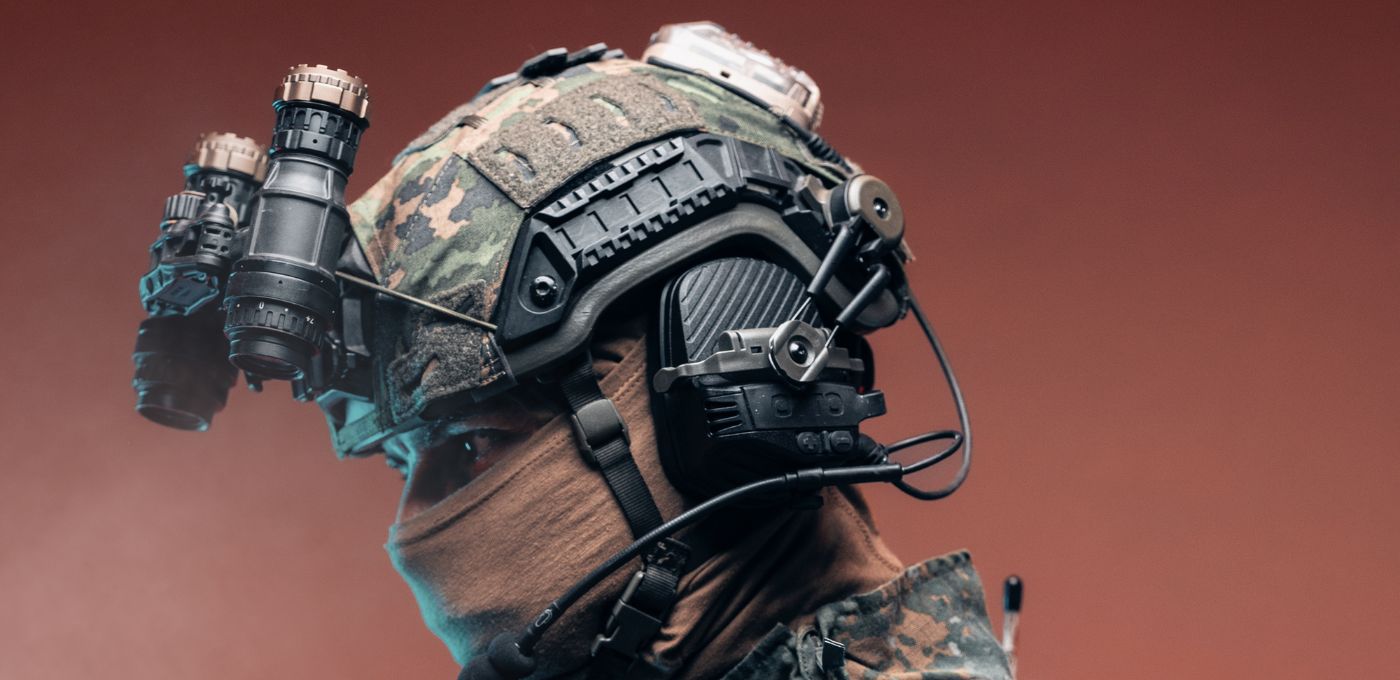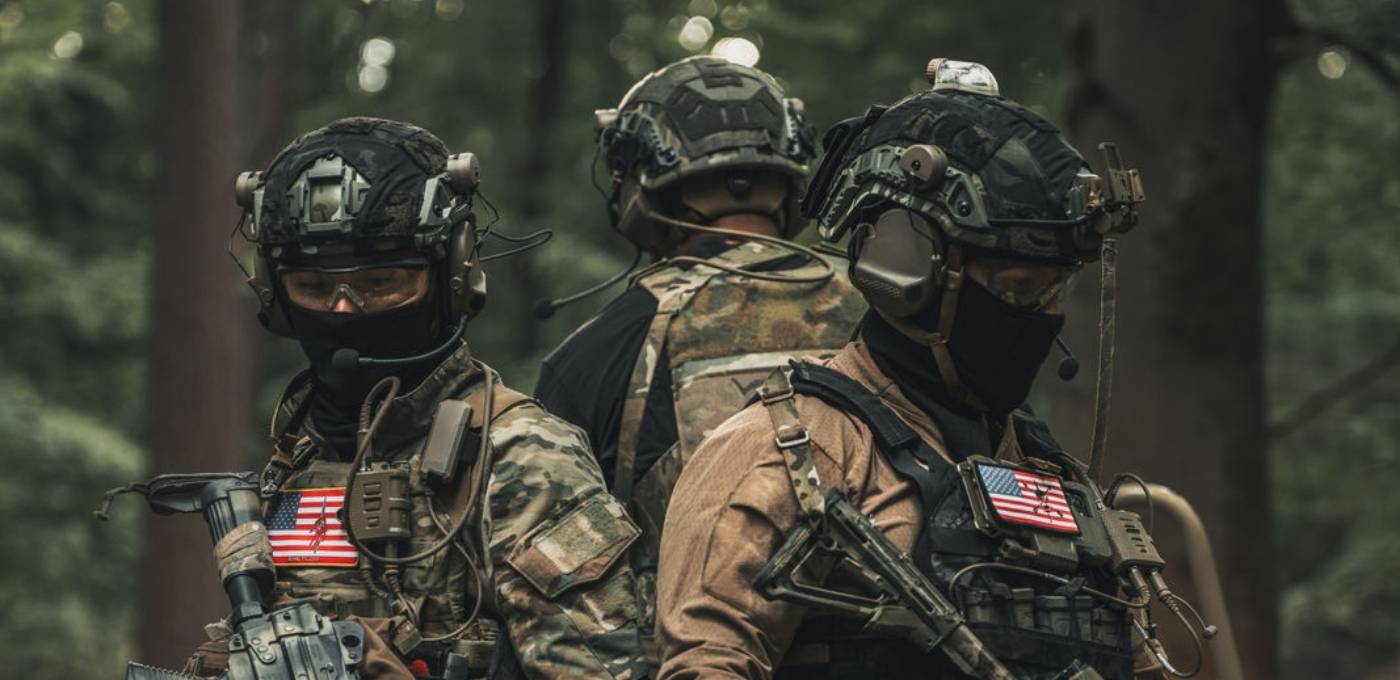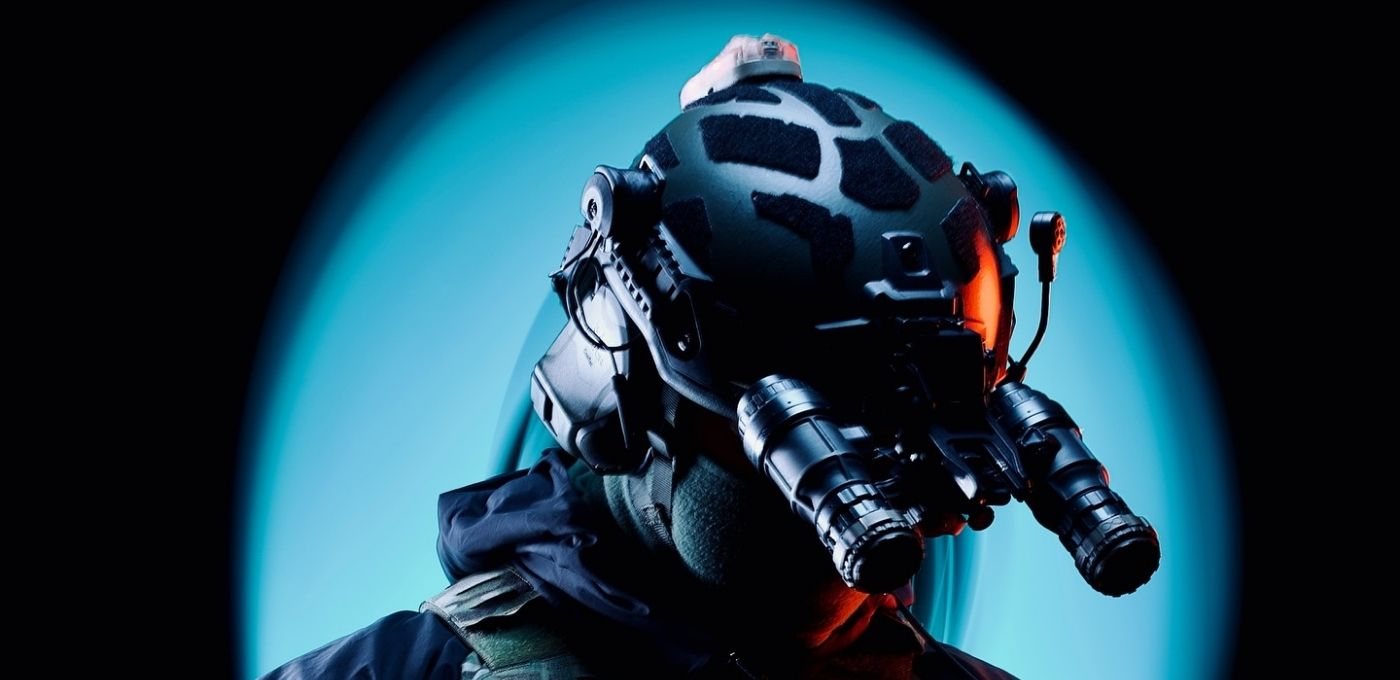
Affordable ballistic helmet: Discover the PGD ARCH GEN3 – NIJ IIIA protection by PGD
So you think a “ballistic helmet” is just a fancy bucket? Think again.
Picture this: You’re out there, doing very important tactical things, when a rogue chunk of shrapnel decides it wants to dance with your cranium. Suddenly, the flimsy skateboard lid you bought on clearance doesn’t feel so confidence-inspiring. “Hmm,” you ponder, “maybe I should invest in something more… bullet-friendly?”
You have come to the right place – where we turn high-tech fibers and pure Danish stubbornness into headgear that laughs in the face of incoming fire.
Now, making a ballistic helmet isn’t exactly your average weekend craft project. You can’t whip one up with duct tape, glitter glue, and a YouTube tutorial titled “5-Minute DIY Body Armor – What Could Go Wrong?” No, no. Crafting a helmet that passes international test labs – and your mother’s approval – is more akin to a Michelin-star recipe: start with the finest ingredients (think Kevlar®, UHMWPE, and enough aramid to knit Thor a sweater), add a dash of precision engineering, simmer under a hydraulic press hotter than a midsummer sauna, and finish with a meticulous quality check that would make even the pickiest Viking nod in approval.
Over the next few sections, we’ll peel back the curtain on this head-saving sorcery: from selecting fibers so tough they make steel feel insecure, to molding layers into a sleek, brain-hugging shell, to subjecting each prototype to ballistic abuse that would make a crash-test dummy file for workers’ comp. By the time we’re done, you’ll understand why the PGD ARCH GEN3 doesn’t just sit on your head – it stages a full-time security detail.
So buckle up (or should we say chin-strap in?) and prepare to meet the love child of science, craftsmanship, and a healthy dose of Danish paranoia. Because when it comes to ballistic protection, “close enough” just isn’t in our dictionary – and that’s exactly how your noggin likes it.
Are you concerned about the reliability of your ballistic helmet in critical situations? When every second counts, the quality of your protective gear can be the difference between vulnerability and safety. We dedicate ourselves to producing high-performance ballistic helmets. Let’s explore the intricate process of manufacturing a ballistic helmet and how PGD sets the benchmark in resilience.
Creating what we call a “ballistic helmet” involves more than just handpicking advanced materials; it’s a fine-tuned process aimed at ensuring optimal protection for those at the frontline. The combination of excellent design and premium materials is crucial. These factors are integral to delivering a solution that can handle real-world challenges.
Want the full deep dive? You can read through this PDF right now or download it for some late-night reading (because who doesn’t love a little ballistic science before bed?). Or, if you’re ready to roll up your sleeves and see what it really takes to make a ballistic helmet from scratch, keep scrolling – we’re about to break it all down for you.
Download the “How to make a ballistic helmet guide” (PDF)
The genesis of a high-caliber helmet lies in its materials. But what materials are used?
At the core of every ballistic helmet is its fiber – most often aramid fibers (like Kevlar®, Twaron®, or Teijin’s para-aramids) or UHMWPE (Ultra-High Molecular Weight Polyethylene) like Dyneema®. Aramid is chosen for its high tensile strength-to-weight ratio, thermal stability, and excellent energy dispersion characteristics. UHMWPE, on the other hand, has higher energy absorption per unit mass, is lighter, and floats on water – but has a lower heat tolerance than aramid.
The journey from material to a protective headpiece continues with precision cutting and layering of the ballistic fabric. Each piece is tailored to shape the helmet and is systematically layered to construct a resilient ballistic helmet shell capable of withstanding significant ballistic threats.
Next, the layered fabric undergoes a molding process using a hydraulic press, which applies high pressure and heat to finalize the helmet’s shape. This phase is vital for achieving a rigid structure. The thorough process transforms advanced fibers into a formidable shield that meets our standards.
Once demolded, the shell undergoes CNC-controlled trimming to ensure dimensional consistency. Edges are milled or sanded smooth. Slots for NVG shrouds, rails, and retention hardware are drilled using jigs with micron-level tolerance to prevent structural compromise. A primer base coat is applied to seal the shell, followed by IR-reducing, non-reflective paint – often in matte black, tan, or green. PGD uses industrial coatings rated for UV, moisture, and abrasion resistance.
Components such as rails, the PGD dial fit system, shroud and other fittings are added before being packaged and prepared for distribution. The interior gets a modular padding system – we use our own 10-pads. These pads are designed to conform to head shape while maintaining low G-force transfer during impact (below 150 G is required – we hit ~65 G).
Ensuring compliance with international standards is not just about regulation but about ensuring performance under extreme conditions.
Every helmet is inspected for dimensional accuracy, finish, ballistic integrity, and component function. PGD’s QC includes weight checks, mount strength testing, and full traceability records for materials and components. Once passed, the helmet is packaged with padding, documentation, and any user-selected accessories – ready for deployment.
At PGD, our helmets undergo robust testing, including ballistic limit tests (V50), assuring performance when it counts the most.
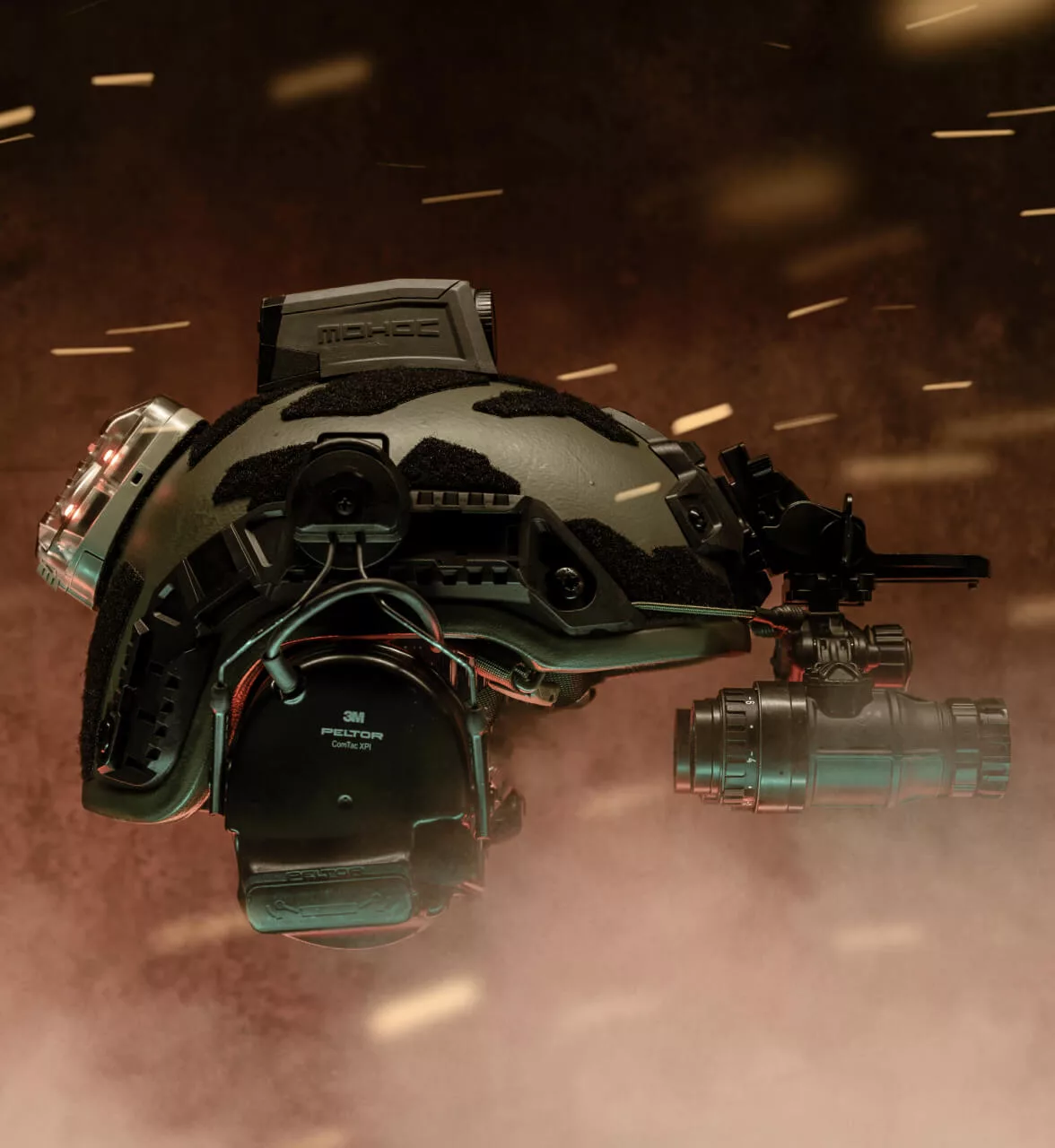
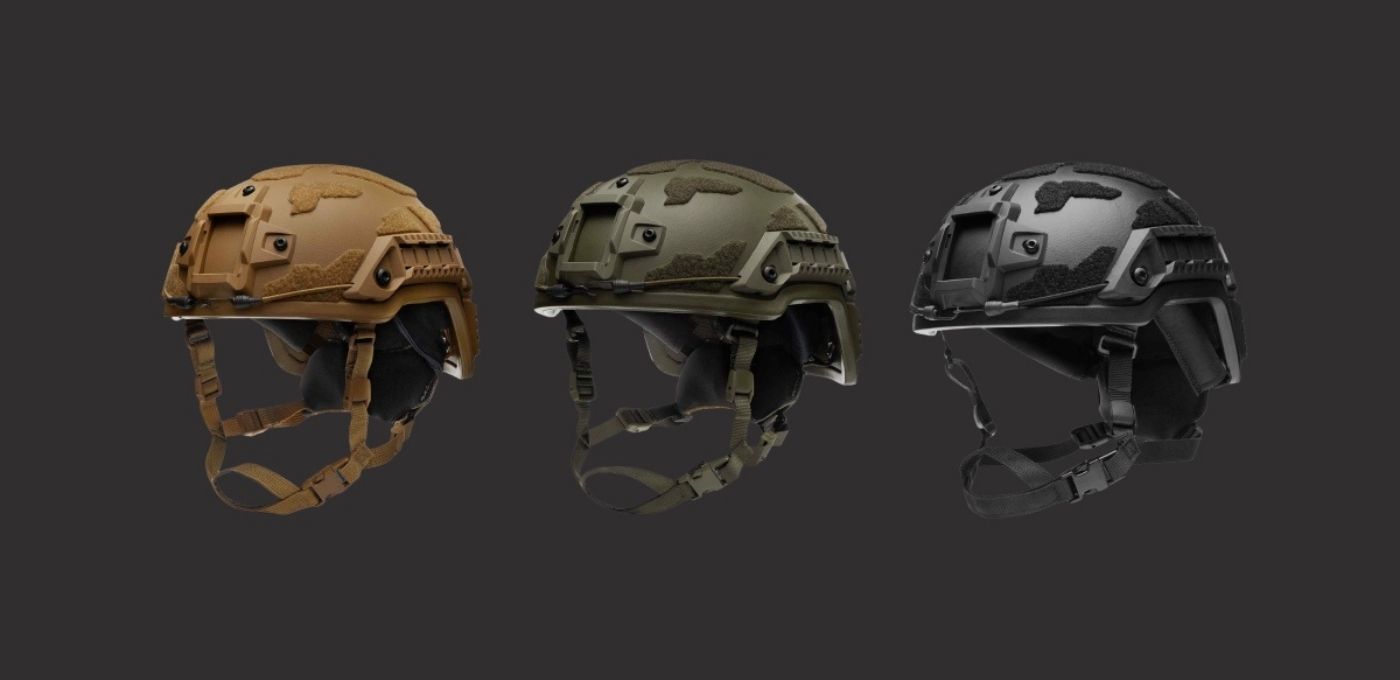
For those deciding on protective headgear, the PGD ARCH GEN3 ballistic helmet is an excellent choice. Known for robust design and methodically verified performance, it represents strong protection for professionals who prioritize reliability.
Excellence is woven into every step of our manufacturing process. In Denmark, quality control is paramount, executed with precision and attention to detail. Each aramid ballistic helmet undergoes thorough inspection, reinforcing PGD’s commitment to delivering dependable protection solutions.
Selecting the right helmet is of utmost importance in the field. Protection Group Denmark stands out through a commitment to integrating verified standards and quality testing, ensuring consistent and reliable protection. Opting for PGD ensures trust every time you step into potential danger.
Explore our offerings and experience the accuracy and dedication embedded within each helmet. Discover the PGD ARCH GEN3 ballistic helmet today and equip yourself with precision and tested performance. Trust the innovation and standards of PGD for your protection every time. Don’t settle for less – invest in lab-tested precision.
Protect what matters.
We’ve moved our U.S. sales
Protection Group Denmark products are now available in the United States exclusively through our official distributor, Colorado Gun Fighter. This store is no longer accepting new orders — please continue your purchase there.
Already placed an order with us? Don’t worry — all existing orders will be fulfilled as normal.
Shop at Colorado Gun Fighter