Level 4 ballistic helmet debunked: Does it really exist?
Explosions are great in action movies – not so much when you’re standing near one. That’s where ballistic helmets earn their paycheck. While most people think of them as bullet-stoppers, the truth is, they’re really just as much in the business of saying “no thanks” to flying metal at several hundred meters per second.
Somewhere in a quiet lab, engineers fire tiny steel fragments at helmets all day long – not because they hate helmets, but because they want you to keep your head intact when life gets loud. The method behind that madness? A little something called MIL-STD-662F.
So, if you’ve ever wondered what V50 fragmentation testing is, why it sounds like a Star Wars droid, and how it decides whether your helmet can shrug off fragments – you’re in the right place.
Curious? Read on.
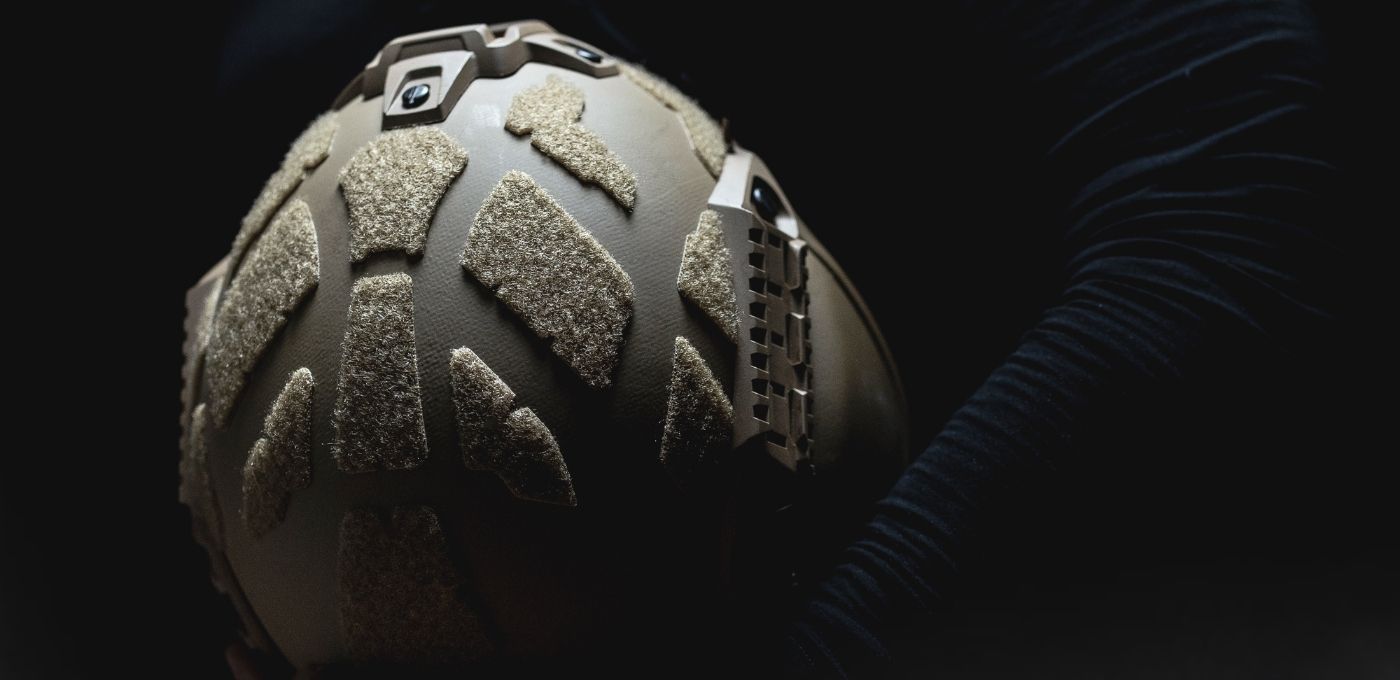
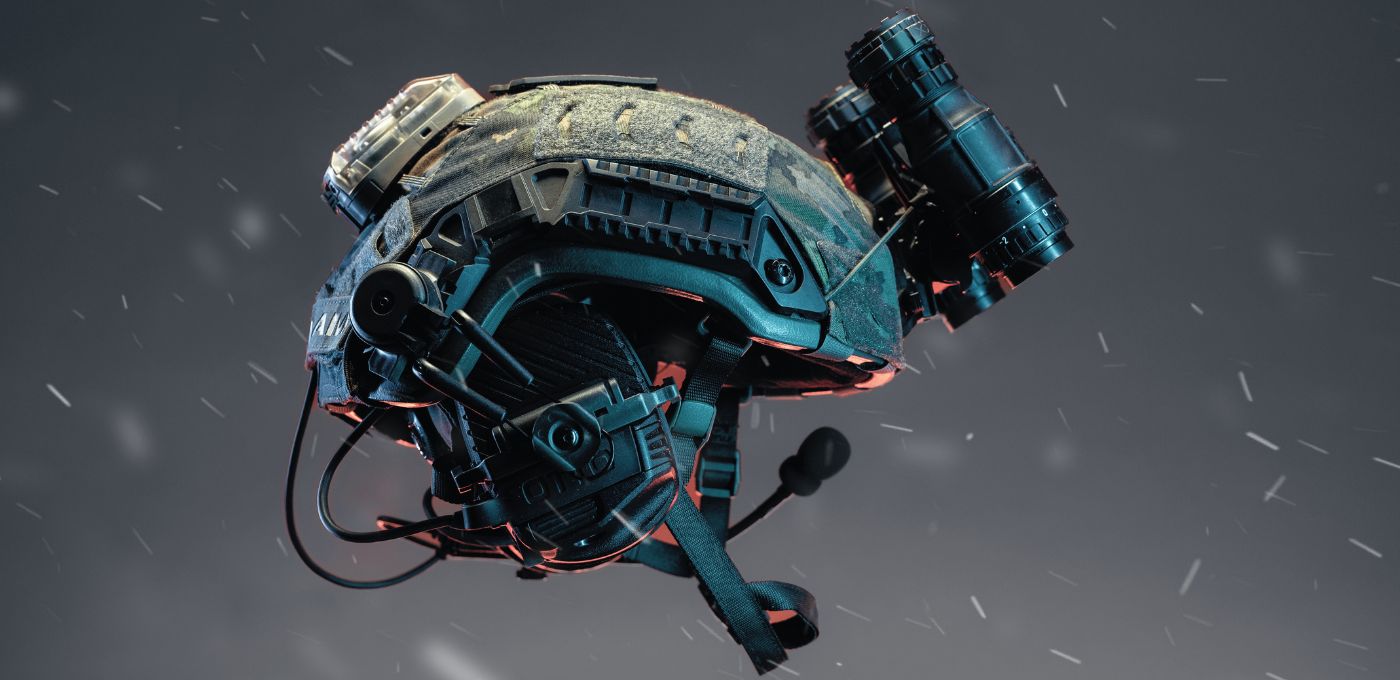
MIL-STD-662F is a U.S. military testing standard that measures ballistic helmet V50 values – the velocity at which 50% of fragments penetrate and 50% are stopped. Ballistic helmets, like our very own PGD ARCH GEN3, are designed primarily for fragmentation protection against threats from grenades, IEDs, and explosive devices. These helmets are tested according to both MIL-STD-662F and NATO STANAG 2920 to verify their resistance to high-velocity fragments.
PGD helmets consistently achieve V50 values above 660 m/s, delivering proven, real-world protection trusted by military and law enforcement professionals worldwide. Materials such as Kevlar aramid fibers are used for optimal energy absorption. When choosing a helmet, understanding its V50 performance is crucial for assessing its fragmentation resistance in the field.
Let’s get some more knowledge on this topic!
As the need for reliable ballistic helmet fragmentation protection has grown, so has the demand for clear, trustworthy standards.
MIL-STD-662F stands at the heart of how protection levels are defined for U.S. and allied users. Understanding this standard – and its V50 fragmentation standard – provides crucial clarity for anyone selecting mission-critical head protection.

MIL-STD-662F is the official U.S. military test standard used to evaluate the fragmentation resistance of armor, particularly for helmets and soft body armor. Established to create consistency in evaluating ballistic performance, MIL-STD-662F focuses on how materials respond to the impact of small fragments accelerated to lethal speeds – closely simulating real-world threats encountered in combat, law enforcement, and security operations.
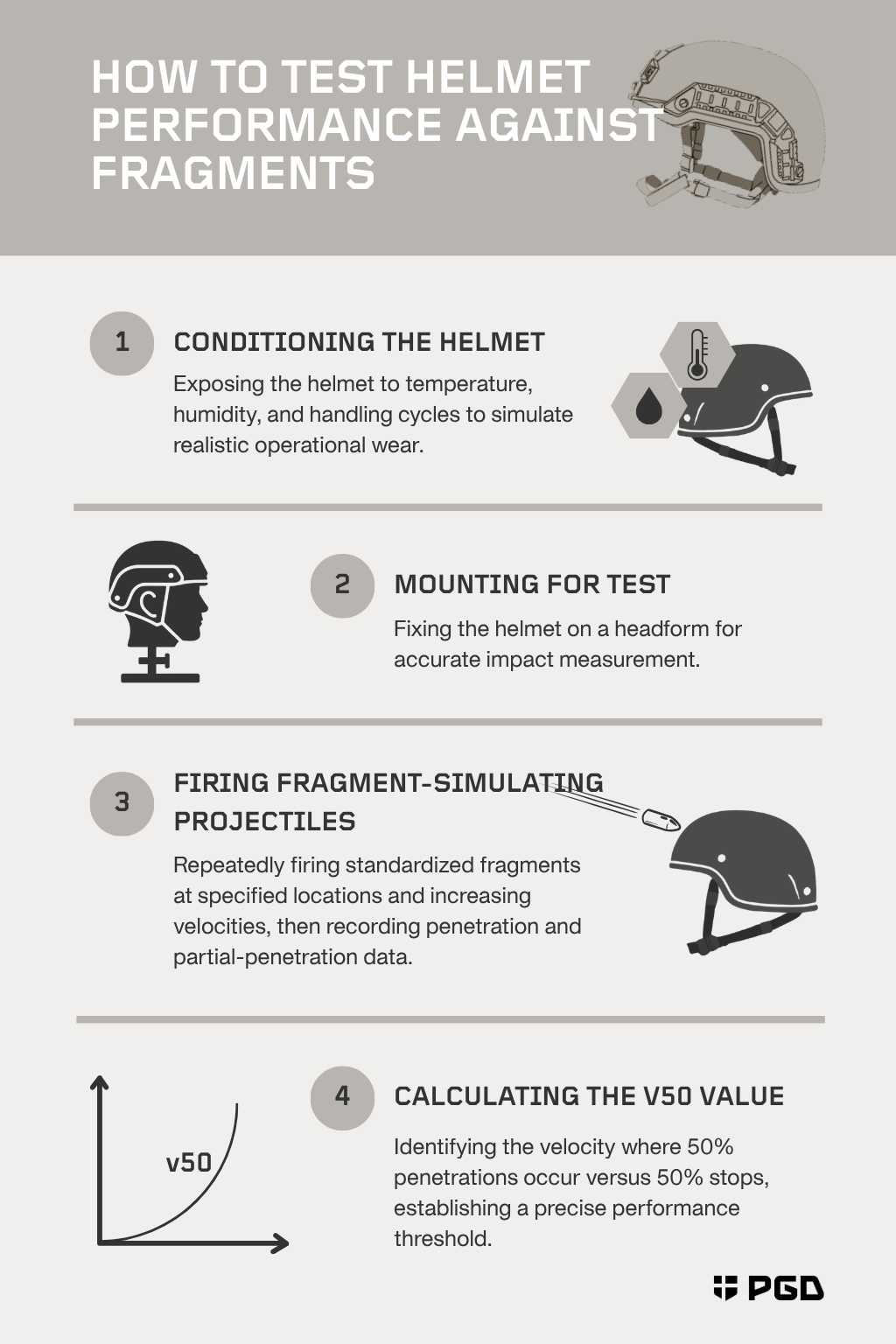
The cornerstone of MIL-STD-662F is the V50 ballistic test. The “V50” represents the velocity, measured in meters per second (m/s), at which 50% of test projectiles (standardized fragments) penetrate the helmet, and 50% are stopped. This value is determined through a series of controlled tests, using fragment-simulating projectiles fired at incrementally varying velocities until the critical midpoint is identified.
V50 testing provides a reliable, data-driven measure of how well a helmet can protect against fragments and high-speed debris. It answers a fundamental question for end users:
At what projectile speed does your helmet continue to provide protection, and when does that protection become inconsistent or unreliable?
While MIL-STD-662F is the standard used by U.S. military and defense agencies, NATO and many allied countries rely on STANAG 2920 – a complementary standard outlining a nearly identical method for V50 fragmentation testing.
Both standards use the same type of fragment-simulating projectiles and define similar laboratory procedures.
The key takeaway is that whether a ballistic helmet is tested to MIL-STD-662F or STANAG 2920, its performance can be directly compared by looking at the V50 fragmentation standard. Many respected helmet manufacturers, including Protection Group Denmark, publish results from both U.S. and European test labs, harmonizing performance metrics across different users, organizations, and procurement programs.
Why should you care about V50 fragmentation testing?
The answer is simple: V50 gives you a proven, quantitative benchmark for ballistic helmet fragmentation protection. A high V50 indicates robust ability to stop or slow shrapnel generated by blasts, grenades, improvised explosive devices, or ricocheting debris.
For military, law enforcement, and tactical personnel, knowing the V50 value of a helmet directly translates to understanding its fragment-resistance in actual field scenarios. When faced with multiple or repeated impacts, or when operating in environments where secondary blast fragments are a real risk, this data-backed reassurance is mission-critical.
In summary, MIL-STD-662F and its V50 test results provide a clear, standardized foundation for evaluating and comparing the real-world performance of modern ballistic helmets.
In today’s complex threat environment, a ballistic helmet has one simple job – keep your head from becoming a cautionary tale. Modern helmets don’t just stop bullets; they play goalie against a swarm of high-velocity metal fragments trying to ruin your day. Think of it as the ultimate multitasker: part shield, part insurance policy, and part quiet reassurance that when things start exploding, your brain stays right where it belongs.
Fragmentation threats originate from a range of battlefield and law enforcement scenarios:
The unpredictable, multidirectional nature of fragmentation impacts makes robust, laboratory-tested ballistic helmet protection levels a constant operational necessity.
Modern ballistic helmets balance weight, comfort, and protection by employing advanced materials and manufacturing methods designed to absorb and disperse fragment impact energy. The most prevalent materials for helmet shells include:
These materials are layered, sometimes cross-plied, and molded under controlled conditions to optimize the helmet’s structural integrity while maintaining a manageable profile and weight. The resulting shell can withstand and disperse the energy of multiple fragments without failing or allowing dangerous penetration.
Multi-impact and environmental durability testing ensures that the helmet’s performance isn’t compromised by rough handling, temperature extremes, humidity, or repeated use – all critical concerns for professionals who rely on their gear daily.
How is helmet performance tested against fragments?
Ballistic helmet fragmentation protection is proven through laboratory testing – primarily at accredited U.S. and European facilities that specialize in V50 fragmentation standard assessments. The testing sequence involves:
For end users in military and law enforcement roles, understanding these test results – often provided in official lab reports – is vital when selecting a helmet that must stand up to the unpredictable hazards encountered in the field.
Selecting the best ballistic helmet for fragmentation protection is more than just looking at a product brochure. Understanding V50 values, how they’re measured, and what standards apply enables professionals to make informed procurement and operational decisions.
V50 is the established metric for quantifying a helmet’s resistance to fragment penetration. Expressed in meters per second (m/s), the helmet V50 fragmentation testing result tells you the speed at which half of impacting fragments are expected to be stopped by the helmet shell, and half may penetrate.
A higher V50 is always preferable, as it demonstrates that the helmet can defeat faster – and therefore more dangerous – fragments, greatly reducing the risk of penetrative injury in explosive or high-velocity environments. However, it’s important to recognize that V50 is a statistical value, influenced by sample size, test conditions, and projectile type, providing a real-world baseline for protection rather than an absolute fail-safe.
Benchmarks for helmet V50 fragmentation standards typically fall into the following ranges:
Military organizations and tactical law enforcement units worldwide often specify a minimum V50 threshold – frequently above 650 m/s – to verify that helmets provide meaningful protection against common fragment threats. A V50 of 660 m/s or greater, as achieved by the PGD ARCH GEN3 Ballistic Helmet, positions the product in line with requirements for direct action, high-threat, and specialist deployments.
Selecting a helmet based on its documented V50 performance ensures compliance with procurement guidelines and, most importantly, provides end users with confidence during real-world operations.
Not all ballistic helmet protection levels are equal, and not all test data can be taken at face value. When evaluating helmet V50 fragmentation testing reports or product claims, consider:
Armed with this approach, you can cut through marketing claims and focus on objective, standardized helmet V50 fragmentation testing data that directly relate to real protection in the field.
Choosing the right helmet for ballistic helmet fragmentation protection isn’t just about meeting standards; it’s about proven, documented real-world performance. The PGD ARCH GEN3 Ballistic Helmet is engineered specifically for the demands of today’s military, law enforcement, and tactical operators – and the V50 testing backs it up.
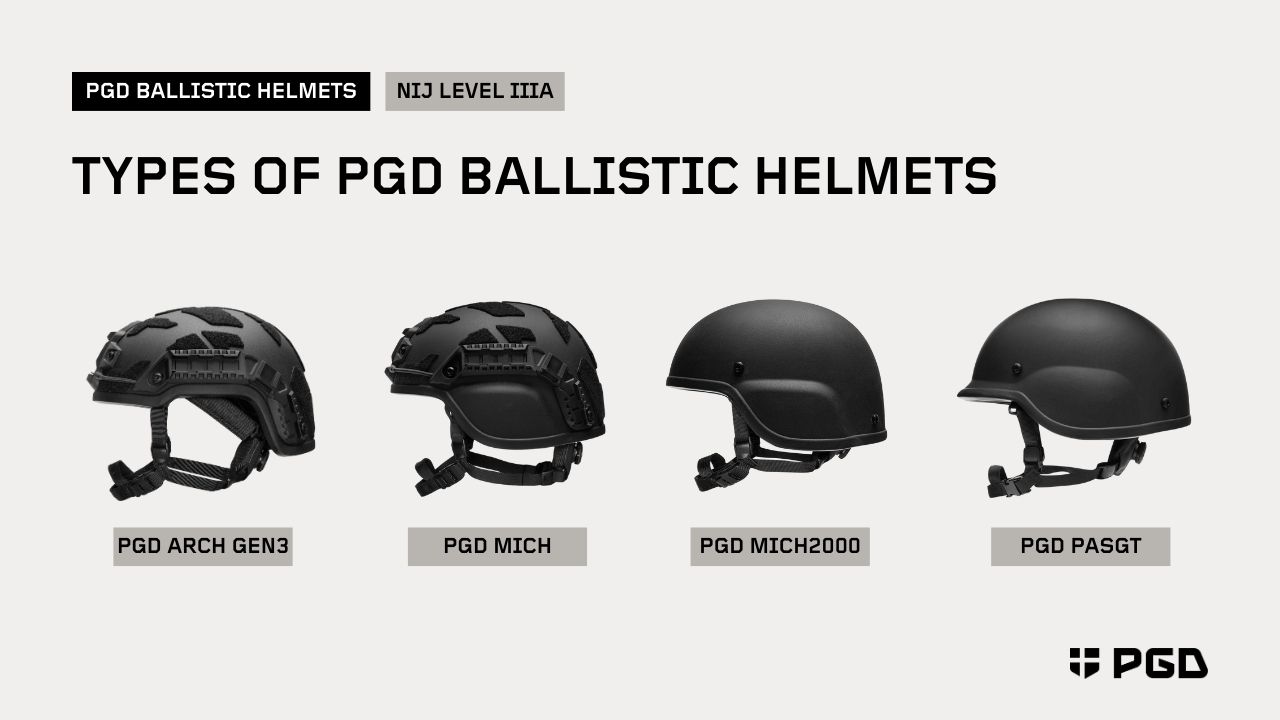
The PGD ARCH GEN3 is tested in independent, accredited laboratories according to the requirements of STANAG 2920. Testing confirms the helmet achieves a V50 value above 660 m/s, firmly within the required range for active-duty and direct-action deployments.
This result means that during laboratory fragmentation testing – where fragments accelerate to battlefield-relevant speeds – the PGD ARCH GEN3 consistently stops or deflects fragments that would otherwise pose lethal risk. That is not just a claim; it’s an objective, documented performance metric from tests designed to replicate field conditions.
PGD helmets protect professionals in militaries, special police, intervention teams, and security agencies around the globe. Scenarios include urban operations, close protection, explosive ordnance disposal, and peacekeeping contexts – where ballistic helmet fragmentation protection is an everyday necessity.
Field reports from operators highlight the helmet’s balance of weight, comfort, and fragmentation resistance. Thanks to its advanced Kevlar aramid fiber construction, durability is maintained even through repeated, multi-impact exposures and harsh environmental conditions.
Check out our page “What They Say” for real user stories.
Protection Group Denmark stands apart in the industry for transparency, consistent laboratory verification, and commitment to end-user feedback. Every helmet is manufactured with a focus on trusted materials, modern engineering, and compliance with the most demanding U.S. and NATO standards.
If you’re seeking the best ballistic helmet for fragmentation protection – one with independently verified helmet V50 fragmentation testing data – discover the PGD ARCH GEN3 Ballistic Helmet or contact Protection Group Denmark for specifications, technical data, or procurement advice.
Ready to select a helmet proven to meet military and tactical V50 fragmentation standards? Contact Protection Group Denmark for product information, lab results, and comprehensive support for your mission needs.
If you’d like to learn more about ballistic equipment, visit the PGD Blog – where you’ll find in-depth articles on a wide range of related topics.
Ballistic helmets, like the PGD ARCH GEN3, are designed primarily for fragmentation protection against threats from grenades, IEDs, and explosive devices. These helmets are tested according to NATO STANAG 2920 to verify their resistance to high-velocity shrapnel. In today’s complex threat environment, the primary function of a modern ballistic helmet is to deliver multidimensional protection – most critically, by reducing injuries from high-velocity fragments encountered during explosive events.
Benchmarks for helmet V50 fragmentation standards typically fall into the following ranges: Military and tactical use: Minimum V50 of 650–720 m/s is generally expected for mission-ready helmets. Premium and special applications: Some high-performance models may demonstrate V50 values above 720 m/s, but 660 m/s is broadly considered a strong, realistic result for mainstream deployments. A V50 of 660 m/s or greater, as achieved by the PGD ARCH GEN3 Ballistic Helmet, positions the product in line with requirements for direct action, high-threat, and specialist deployments.
The “V50” represents the velocity, measured in meters per second (m/s), at which 50% of test projectiles (standardized fragments) penetrate the helmet, and 50% are stopped. This value is determined through a series of controlled tests, using fragment-simulating projectiles fired at incrementally varying velocities until the critical midpoint is identified. V50 testing provides a reliable, data-driven measure of how well a helmet can protect against shrapnel and high-speed debris.
Ballistic helmet fragmentation protection is proven through rigorous laboratory testing – primarily at accredited U.S. and European facilities that specialize in V50 fragmentation standard assessments. Ballistic helmets, like the PGD ARCH GEN3, are tested according to NATO STANAG 2920 to verify their resistance to high-velocity fragments. Military organizations and tactical law enforcement units worldwide often specify a minimum V50 threshold – frequently above 650 m/s – to verify that helmets provide meaningful protection against common fragment threats.
MIL-STD-662F is the official U.S. military test standard used to evaluate the fragmentation resistance of armor, particularly for helmets and soft body armor. The cornerstone of MIL-STD-662F is the V50 ballistic test, which measures the velocity at which 50% of fragments penetrate and 50% are stopped. V50 testing provides a quantitative benchmark for ballistic helmet fragmentation protection and allows standardized comparison of helmet performance. Helmets are tested through a series of controlled laboratory procedures that simulate real-world threats encountered in combat, law enforcement, and security operations.
Protect what matters.
We’ve moved our U.S. sales
Protection Group Denmark products are now available in the United States exclusively through our official distributor, Colorado Gun Fighter. This store is no longer accepting new orders — please continue your purchase there.
Already placed an order with us? Don’t worry — all existing orders will be fulfilled as normal.
Shop at Colorado Gun Fighter