How to make a ballistic helmet – a guide by Protection Group Denmark
If you’ve ever watched a cop show and thought, “Those helmets look like something out of a sci-fi movie,” you’re not wrong – except the real ones don’t come with dramatic slow-motion or theme music. For today’s law enforcement officers, a ballistic helmet isn’t just part of the costume; it’s the line between going home safe or not going home at all.
Between active-shooter calls, SWAT raids, and the occasional “Why is this guy running toward the taser?” moment, cops face enough unknowns without worrying if their headgear can hold up. That’s where modern police ballistic helmets come in – lighter, smarter, and built for real-world chaos instead of Hollywood heroics.
So before you pick a helmet because it “looks cool,” let’s talk about what actually keeps you safe. From NIJ standards and funding options to the gear that separates a weekend warrior from a mission-ready officer – here’s what law enforcement really needs to know about ballistic helmets.
Police ballistic helmets are vital equipment for today’s law enforcement officers, providing essential protection in hostile situations and supporting advanced operational needs. From patrol officers confronting unpredictable threats to specialized SWAT teams breaching hazardous environments, the right helmet can mean the difference between mission success and disaster. As the evolution of the police ballistic helmet accelerates – integrating modular features, NIJ Level IIIA performance, comfort upgrades, and tactical versatility – departments face complex choices about selection and funding for their teams.
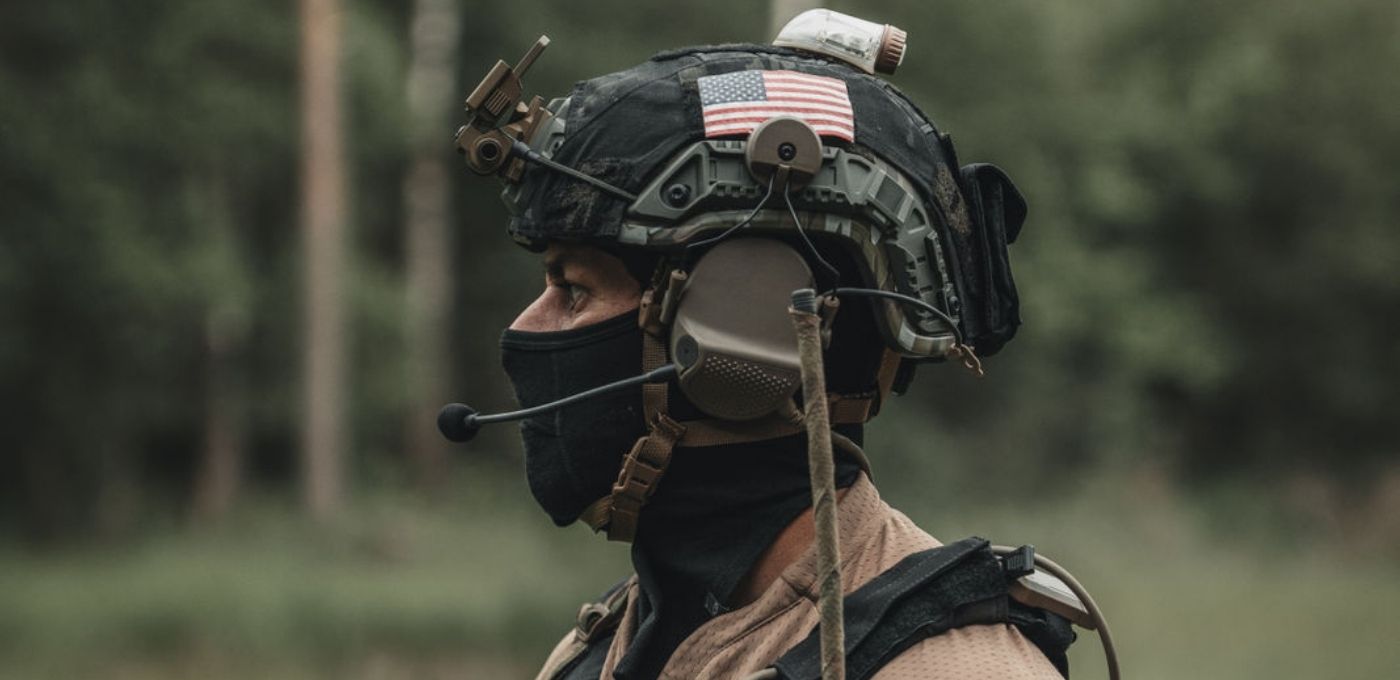
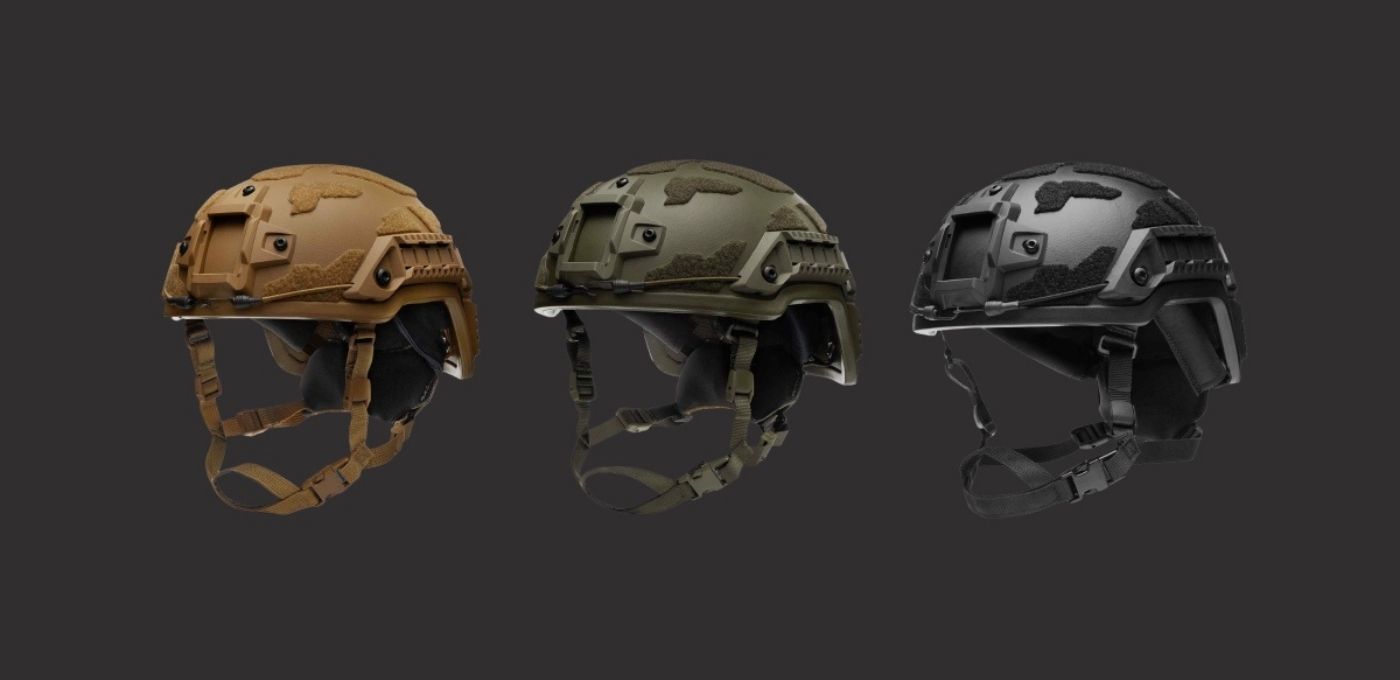
At Protection Group Denmark, we support U.S. and international agencies with thoroughly tested solutions, including the PGD ARCH GEN3 Ballistic Helmet, designed for adaptability and reliability.
This guide explains what law enforcement needs to know about police ballistic helmets: core features, protection levels, mission-specific options, and how to secure premium headgear for your agency’s officers.
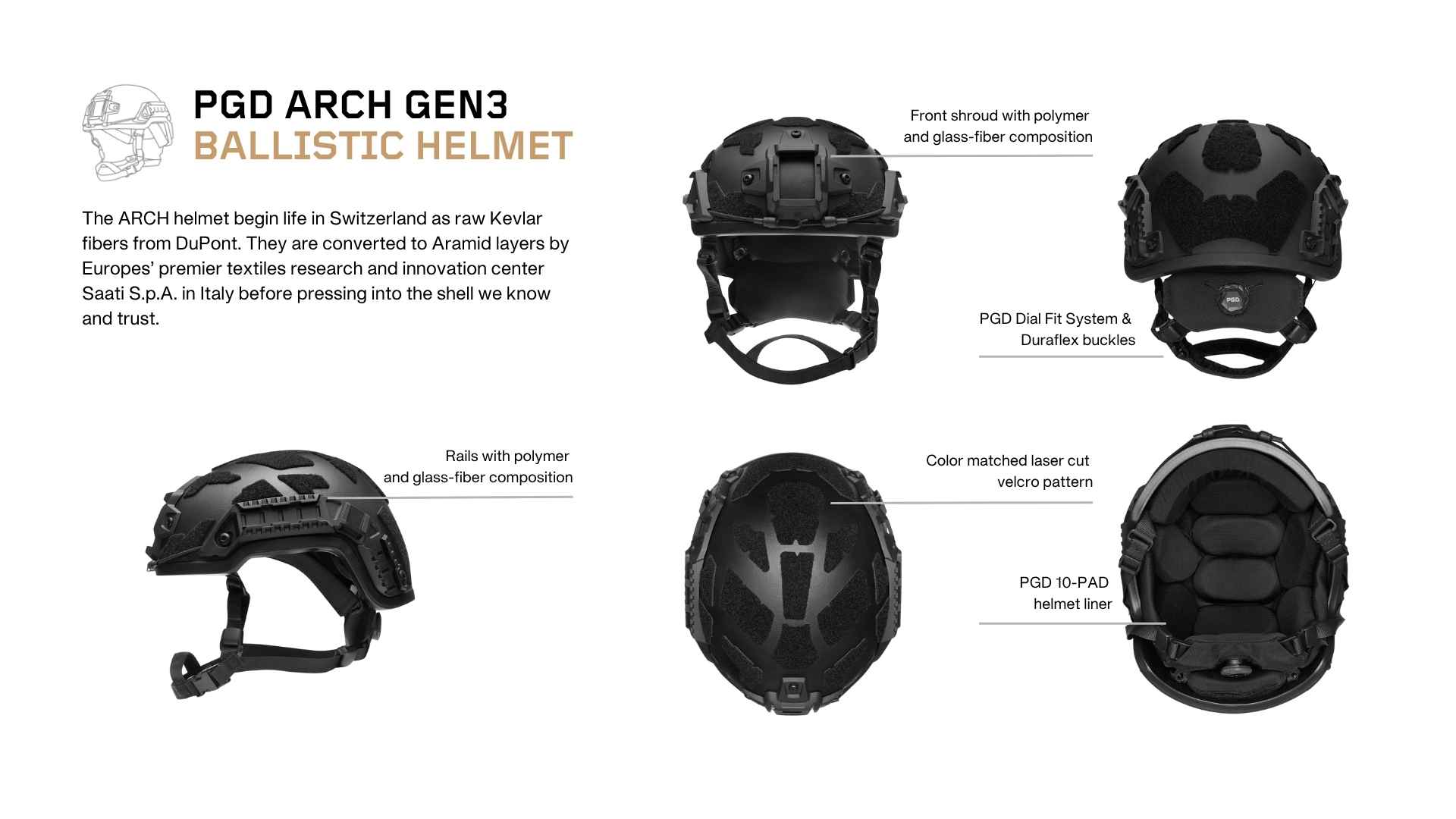
A police ballistic helmet, also known as a law enforcement helmet or police bulletproof helmet, is designed to shield the wearer’s head from handgun rounds, blunt force trauma, fragmentation, and, in some cases, even shrapnel. While military ballistic helmets may focus on battlefield rifle threats, police helmets are specifically engineered for law enforcement’s risk profile – protecting against common handgun calibers and high-impact situations such as forced entry, SWAT deployments, and riot response.
Key scenarios where a police ballistic helmet is critical include:
Unlike basic riot helmets or bump caps, ballistic helmets for law enforcement balance certified protection (such as NIJ Level IIIA), weight, and compatibility with tactical accessories. While a typical helmet provides dependable defense against handgun violence and impact, most are not rated for direct rifle fire – where additional head protection or ballistic shields become necessary.
When selecting a police tactical helmet, understanding protection levels and testing standards is paramount. In the United States, the National Institute of Justice (NIJ) sets the widely recognized benchmark.
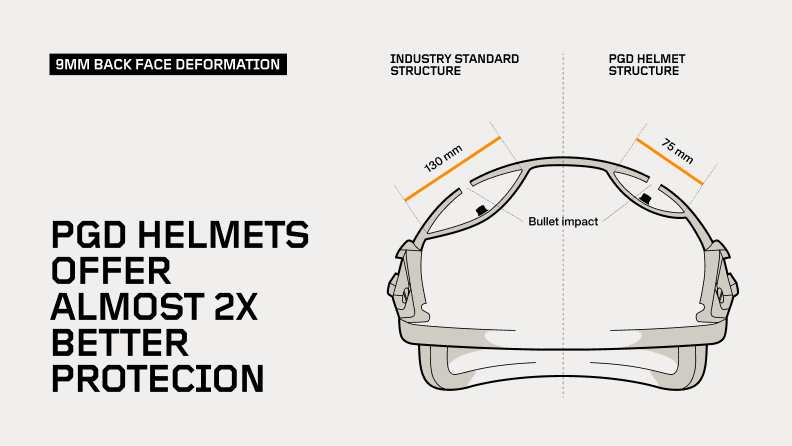
Ballistic helmets for law enforcement focus on advanced material science to deliver maximum protection with minimum weight. The most common materials include:
A well-built helmet minimizes ballistic penetration, absorbs and distributes energy, and resists weather or chemical degradation in the field.
Police ballistic helmets are a critical tool for law enforcement, offering protection against handgun threats and blunt force trauma during high-risk situations. These helmets, including SWAT and special forces models, are engineered for modularity, comfort, and reliability under the most demanding circumstances. Most U.S. departments rely on NIJ Level IIIA certified helmets, designed to integrate with communication and night vision gear. The PGD ARCH GEN3 Ballistic Helmet stands out for its fit, versatility, and testing in U.S. and European labs. Departments aiming to upgrade their equipment can secure funding through federal grants, ensuring officers are equipped with the best possible protective headgear.
Today’s law enforcement officers expect more than basic protection. Leading SWAT team helmets, special forces helmet designs, and patrol-ready ballistic helmets integrate a range of features that elevate comfort, adaptability, and mission readiness.
Long hours on the job make comfort and fit essential – especially when high-stakes situations demand full focus.
The ideal police ballistic helmet will feature:
For example, the PGD ARCH GEN3 Ballistic Helmet uses an advanced memory foam liner and a precise dial retention system for personalized, stable fit throughout long deployments.

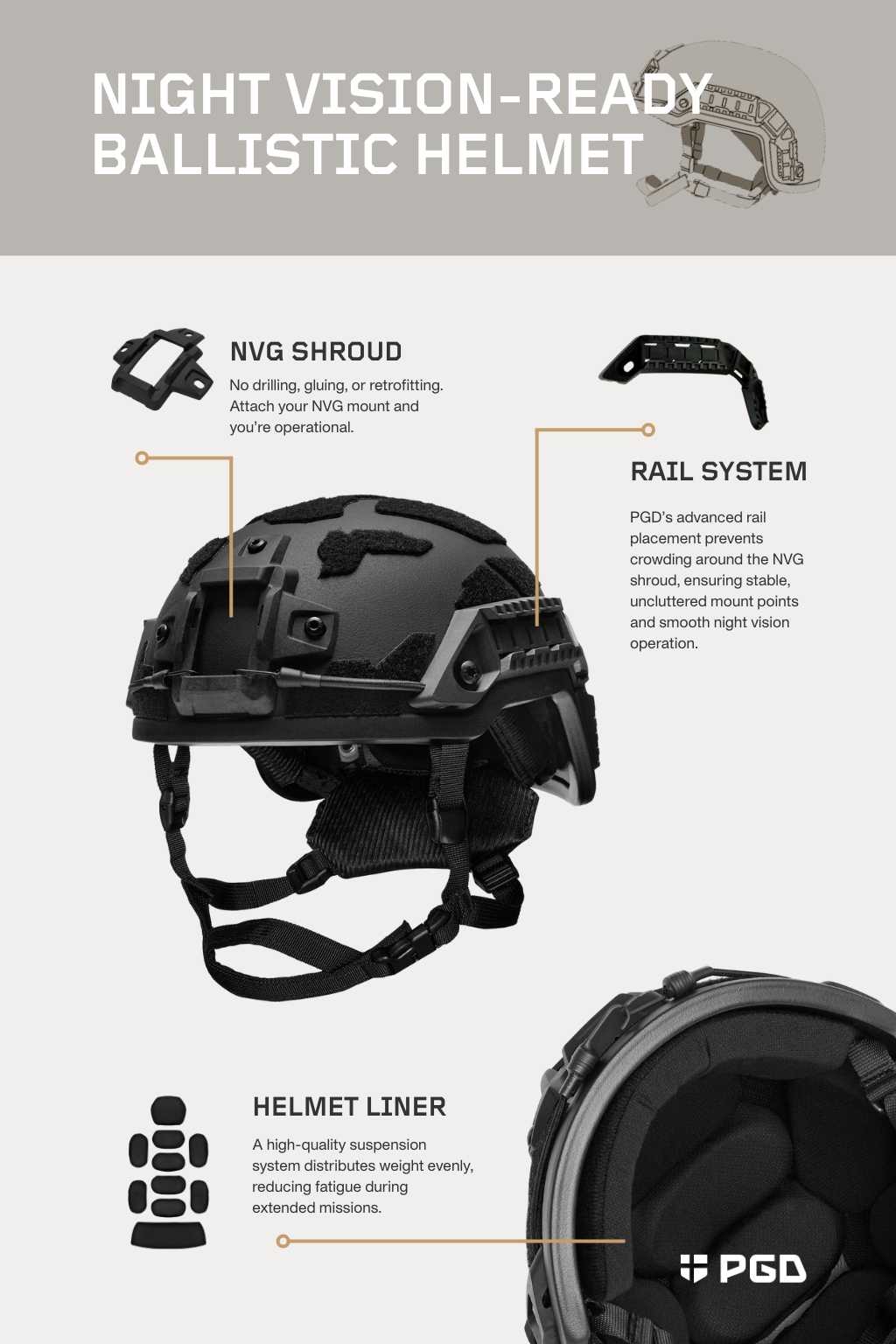
Mission profiles constantly shift. Whether it’s attaching new sensors, quick-mounting night vision, or adapting to patrol and tactical roles, modularity is crucial in a police ballistic helmet.
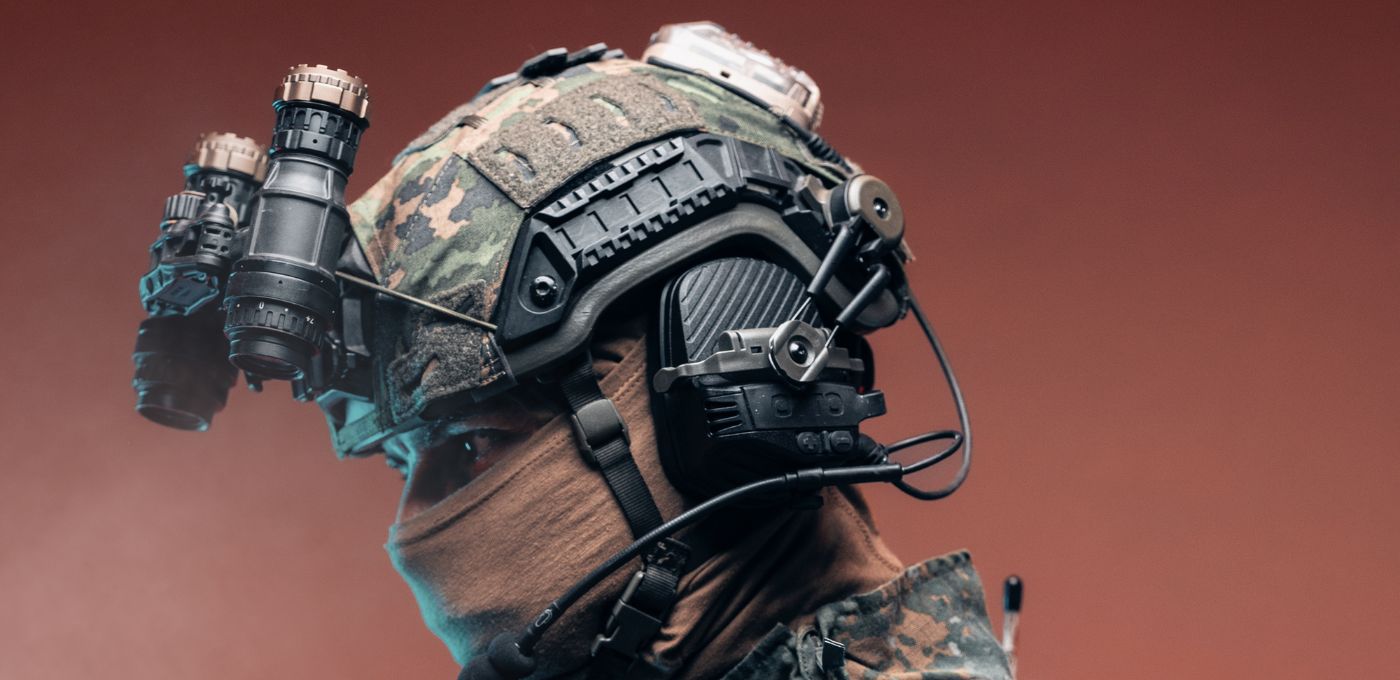
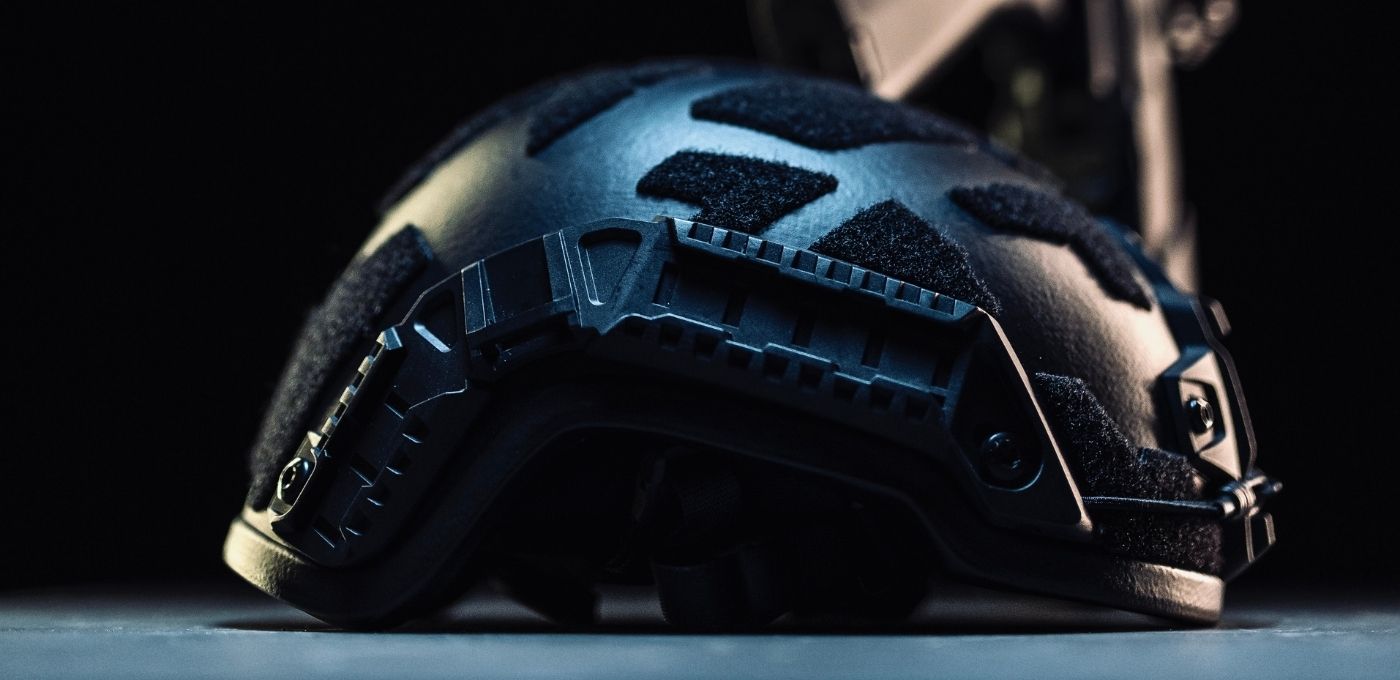
The PGD ARCH GEN3 Ballistic Helmet is engineered with universal rails, NVG shroud, and extensive Velcro panel coverage, ensuring readiness for any equipment integration law enforcement might require.
Police helmet needs diverge from military mission sets. Aside from performance specs, law enforcement ballistic helmets often require:
Protection Group Denmark customizes helmet colors, badge mount capability, and accessory layout to law enforcement’s unique operational environment.

Law enforcement agencies need confidence not only in product specs but in verifiable, independently tested performance. The PGD ARCH GEN3 Ballistic Helmet delivers NIJ Level IIIA protection, industry-leading comfort, and operational modularity – all confirmed through rigorous U.S. and EU laboratory testing.
Both U.S. and European labs have verified the performance of the PGD ARCH GEN3, ensuring reliability in diverse operational climates and threat environments.
Modern law enforcement missions require seamless equipment interoperability.
The PGD ARCH GEN3 is designed for:
Whether upgrading a police tactical helmet pool or equipping a specialized entry team, the PGD ARCH GEN3’s modular build delivers future-ready tactical integration.
The physical demands of extended wear – during operations, search and rescue, or active shooter response – necessitate unmatched comfort:
For agencies investing in ballistic helmets law enforcement can trust over hundreds of missions, the PGD ARCH GEN3 stands out for its ergonomic excellence and attention to police-specific functional detail.

Finding the right police ballistic helmet is both a technical and financial mission. Agencies must weigh performance, field feedback, and cost while navigating evolving threat environments and funding realities.
While there is overlap in helmet technology, the operational environments and requirements for law enforcement and military users differ:
As a result, the best ballistic helmets for law enforcement strike the crucial balance between robust handgun protection, comfort, modularity, and department-specific requirements.
Budgetary constraints often pose a challenge when seeking to upgrade police tactical helmets. However, several practical funding avenues exist:
Departments should leverage test data, compatibility features (NVG, comms, rails), and real-world after-action reports to make a convincing case for funding next-generation gear.
Across the United States, trends have shifted toward lightweight, modular protective headgear tailored for diverse agencies:
Most agencies – large or small – demand ballistic helmet law enforcement options that blend proven standards, verified laboratory testing, field-driven modularity, and U.S.-based support.
The police ballistic helmet is more than a piece of protective gear- it’s a platform for tactical enhancement, mission flexibility, and officer survivability. As law enforcement confronts evolving threats, investing in a thoroughly tested, modular, and comfortable helmet is paramount. The PGD ARCH GEN3 Ballistic Helmet delivers what modern agencies need: NIJ Level IIIA performance, unmatched fit, and accessory compatibility, all verified in U.S. and European labs.
For agencies seeking to upgrade their ballistic helmets, secure custom configurations, or consult on funding solutions, Protection Group Denmark is your trusted U.S. partner.
At Protection Group Denmark, we proudly deliver ballistic helmets and tactical gear to police units and law enforcement agencies worldwide. From local departments across the United States to international special operations teams, our mission is the same – to provide trusted, field-tested protection officers can rely on. Every shipment is handled with precision, ensuring fast delivery, full documentation, and gear that’s ready for duty straight out of the box. Whether your team operates in city streets or remote environments, PGD delivers the same level of quality, reliability, and global support that modern policing demands.
Contact us today for department quotes, specifications, or to learn how the right police ballistic helmet can elevate your officers’ protection and operational success.
While there is overlap in helmet technology, the operational environments and requirements for law enforcement and military users differ:
– Weight and balance: Police helmets, particularly for patrol and SWAT, typically prioritize lighter weight and comfort for extended wear—often leveraging low-profile shells and advanced composite materials.
– Threat focus: Military ballistic helmets are created to address rifle threats and shrapnel, with bulkier cuts and heavier construction. For most law enforcement scenarios, NIJ IIIA (handgun, fragmentation) is ideal.
– Integration requirements: Law enforcement prioritizes comms, badge mount readiness, body camera compatibility, and swift adaptation to either patrol or tactical roles. Military uses may demand broader camouflage, extra padding, or counterweight systems for advanced optics.
As a result, the best ballistic helmets for law enforcement strike the crucial balance between robust handgun protection, comfort, modularity, and department-specific requirements.
Budgetary constraints often pose a challenge when seeking to upgrade police tactical helmets. However, several practical funding avenues exist:
– Federal grants: U.S. Department of Justice grants (such as the Edward Byrne Memorial JAG and Community Policing Development) frequently support body armor and ballistic helmet purchases.
– State and local funding: Many states allocate grants for officer safety equipment, often with matching fund opportunities.
– Strategic grant writing: Successful applications highlight how modern helmets – like those meeting NIJ 0106.01 Level IIIA standards and supporting advanced SWAT operations – directly enhance officer safety and public service.
– Bulk purchasing and supplier support: Partnering with trusted vendors, such as Protection Group Denmark, can streamline procurement and support grant documentation.
Departments should leverage test data, compatibility features (NVG, comms, rails), and real-world after-action reports to make a convincing case for funding next-generation gear.
Across the United States, trends have shifted toward lightweight, modular protective headgear tailored for diverse agencies:
– ACH/MICH-style helmets: Advanced Combat Helmets (ACH) and Modular Integrated Communications Helmets (MICH) form the base for many police helmet offerings, customized for patrol and SWAT teams.
– High cut helmets: Favored by SWAT and tactical teams, high-cut profiles accommodate comms headsets, reduce weight, and facilitate rapid NVG use.
– Team-specific integration: Departments often select helmet models that seamlessly accept department patches, IR beacons, and accessory mounting.
– Leading models: Names like the PGD ARCH GEN3 Ballistic Helmet are recognized for testing, adaptability, and comfort improvements, standing alongside established U.S. and EU-manufactured designs.
Most agencies – large or small – demand ballistic helmet law enforcement options that blend proven standards, verified laboratory testing, field-driven modularity, and U.S.-based support.
Police ballistic helmets are a critical tool for law enforcement, offering protection against handgun threats and blunt force trauma during high-risk situations. These helmets, including SWAT and special forces models, are engineered for modularity, comfort, and reliability under the most demanding circumstances. Most U.S. departments rely on NIJ Level IIIA certified helmets, designed to integrate with communication and night vision gear. The PGD ARCH GEN3 Ballistic Helmet stands out for its fit, versatility, and testing in U.S. and European labs. Departments aiming to upgrade their equipment can secure funding through federal grants, ensuring officers are equipped with the best possible protective headgear.
Protect what matters.
We’ve moved our U.S. sales
Protection Group Denmark products are now available in the United States exclusively through our official distributor, Colorado Gun Fighter. This store is no longer accepting new orders — please continue your purchase there.
Already placed an order with us? Don’t worry — all existing orders will be fulfilled as normal.
Shop at Colorado Gun Fighter