Ballistic helmet patches: How to customize for identification, IR visibility & morale
If you’ve ever looked at your phone, tempted by a “Genuine Ballistic Helmet – 85% OFF, Free Shipping!” deal from a seller named TacticalTimmy420… this guide is for you.
Let’s get one thing straight: protecting your head is not the time to bargain-hunt like you’re couponing at Walmart. Counterfeit ballistic helmets are a real thing. They are out there – and they’re not just a bad deal; they’re a dangerous gamble. So before you end up with a helmet made of kindergarten craft foam and false promises, let’s walk you through how to spot the phonies, dodge the scams, and keep your noggin protected with the real deal.
Counterfeit ballistic helmets are a growing risk for tactical gear buyers, putting safety and reliability on the line. Spotting a fake requires checking for genuine manufacturer markings, accurate labeling, high-quality materials, proper build, and traceable serial numbers. Red flags include missing documentation, poor quality, suspiciously low prices, and absence of legitimate certification or testing.
Always compare the helmet to listings on the manufacturer’s official site and source through reputable vendors.
For guaranteed authenticity and proven protection, buy from official sites like Protection Group Denmark or if you prefer other brands.

Now… Let’s dive in, because your head deserves more than a knock-off wearing a fake logo and a prayer.
Ballistic helmets are more than just equipment. They are life-saving gear designed to protect users from ballistic threats and blunt impacts. Unfortunately, counterfeit ballistic helmets exploit consumer trust, putting end users at severe risk. Understanding the threat of fake helmets is critical, whether you’re military, law enforcement, private security, or a responsible civilian.
The overall demand for tactical gear has surged in recent years, and with it, so have counterfeit products. Online marketplaces and unauthorized sellers are making it alarmingly easy for fake helmets to circulate globally. Fraudsters copy the look of real brands, often down to the logos and model names, but cut corners in materials, construction, and crucial testing. The result: a helmet that appears authentic but fails to deliver real protection.
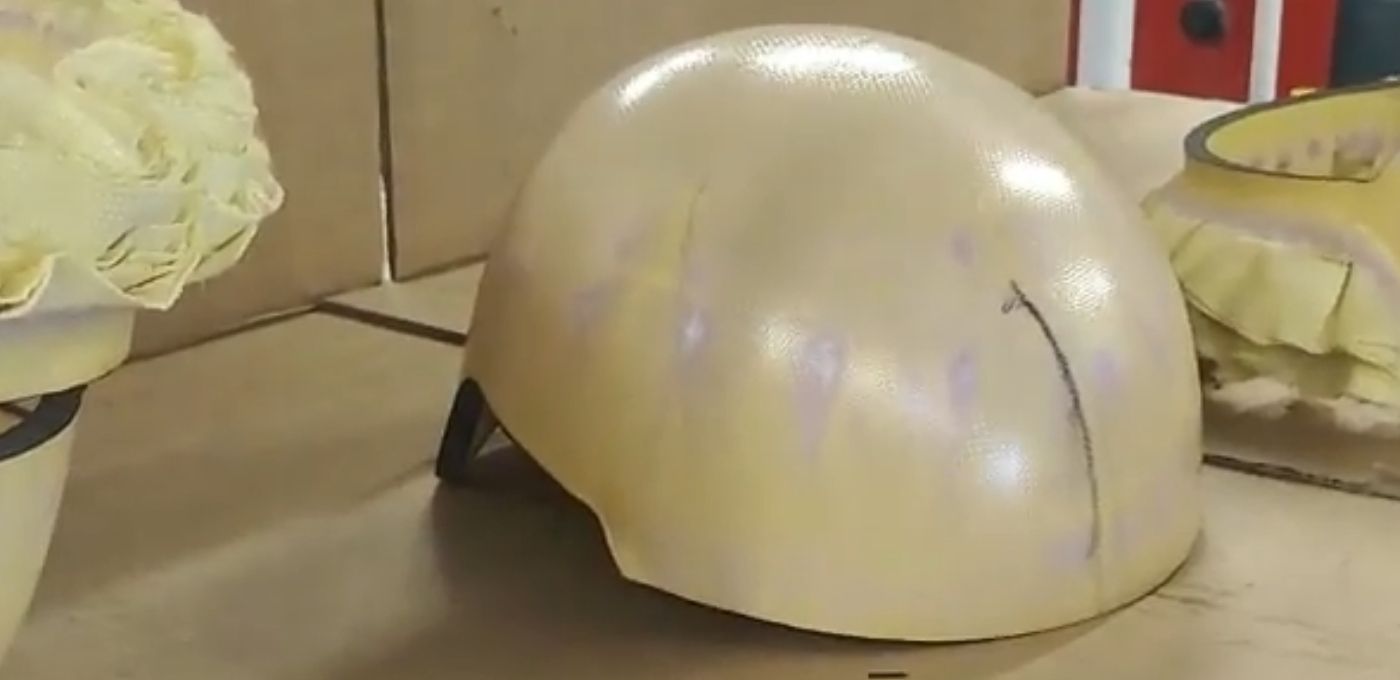
Wearing a fake helmet can have catastrophic consequences. Counterfeit helmets often use substandard materials like generic plastic or foam rather than advanced ballistic fibers such as Kevlar or UHMWPE.
This basically means:
In short: Those seeking ballistic protection – military, police, private security, airsoft/paintball hobbyists, and first-time buyers – are often targeted by sellers of counterfeit gear. Platforms include online auction sites, peer-to-peer marketplaces, and unverified webshops. Tactics often involve deeply discounted prices or “too good to be true” sales. Even seasoned operators can be caught off guard if they’re not vigilant against tactical gear red flags.
To defend yourself against counterfeit gear, you need to know exactly what sets real ballistic helmets apart from fakes.
In this section, we detail the most important authenticity features, how materials differ, and why official certification and traceability matter so much.
Trusted brands like Protection Group Denmark (PGD) adhere to strict marking and labeling standards.
Here’s what to look for:
In contrast, fake helmets might use blurred logos, misspelled names, inconsistent labeling, or lack unique identifiers altogether.
One of the easiest ways to spot a counterfeit ballistic helmet is by examining what it’s made of and how it’s constructed:
Authentic gear also displays precision manufacturing in details like pre-drilled accessory holes and integrated mounting systems, features often copied but poorly executed on a fake helmet.
Certification is the bedrock of genuine ballistic protection. Here’s how real vs fake helmets stack up:
Traceability is crucial. Leading brands like PGD ensure every helmet is trackable from raw material to finished product, something impossible for fake helmet producers to replicate.

If you’re wondering how to check ballistic helmet authenticity, follow these 12 practical steps for a thorough ballistic helmet check before you buy.
Securing a genuine, field-proven ballistic helmet begins with buying from the right source. Here’s how to avoid counterfeit gear and invest in true protection.
The safest way to guarantee authenticity is to purchase only from official manufacturer webshops, authorized distributors, or vetted tactical suppliers.
Reputable sellers will:
For proven, traceable helmets trusted by military and law enforcement worldwide, always start with the brand’s own website or a directly listed retailer.
Purchasing directly from Protection Group Denmark ensures you receive an authentic product, engineered in Denmark using American materials, and subject to rigorous quality control.
Benefits include:
By buying direct, you eliminate the risk of counterfeit ballistic helmet scams and get peace of mind, knowing your protection is verified and dependable.
Looking for advanced protection and verified authenticity?
Learn more about genuine helmets like the PGD ARCH GEN3 Ballistic Helmet for proven performance. The ARCH GEN3 stands out with:
This helmet represents the gold standard for tactical headgear – trusted, field-tested, and guaranteed authentic when bought from official sources.

Counterfeit ballistic helmets compromise safety, reliability, and your peace of mind. Don’t risk it. Always conduct a thorough ballistic helmet check before purchasing. Look for genuine manufacturer markings, quality materials, validated certification, and traceability. Avoid tactical gear red flags like suspicious vendors and unreal discounts.
For guaranteed authenticity, shop directly at Protection Group Denmark. If you ever have doubts or want to verify a product’s legitimacy, contact the PGD team for support.
Don’t put your life in the hands of counterfeits – invest only in real ballistic protection.
Spotting a fake requires checking for genuine manufacturer markings, accurate labeling, high-quality materials, proper build, and traceable serial numbers. Red flags include missing documentation, poor quality, suspiciously low prices, and absence of legitimate certification or testing. Always compare the helmet to listings on the manufacturer’s official site and source through reputable vendors. Inspect manufacturer markings such as clear, high-quality branding, unique serial numbers, NSN (for military-grade), and date of manufacture. Authentic helmets include certification documentation and are made from advanced ballistic fibers, with precision manufacturing and quality padding. Counterfeits may have blurred logos, misspelled names, inconsistent labeling, or poor materials such as plastic or foam.
Platforms include online auction sites, peer-to-peer marketplaces, and unverified webshops. Tactics often involve deeply discounted prices or “too good to be true” sales. Counterfeiters use deep discounts to lure buyers, and unverified vendors with no traceable address or limited reviews are classic signs of counterfeit gear. The safest way to guarantee authenticity is to purchase only from official manufacturer webshops, authorized distributors, or vetted tactical suppliers.
Genuine helmets are accompanied by certification documentation stating compliance with NIJ (National Institute of Justice), VPAM, or STANAG standards. Official testing reports often include serial number references matching your helmet. But ballistic helmets don’t always come with NIJ certification.
The safest way to guarantee authenticity is to purchase only from official manufacturer webshops, authorized distributors, or vetted tactical suppliers. For guaranteed authenticity and proven protection, buy from official outlets like Protection Group Denmark. Purchasing directly from Protection Group Denmark ensures you receive an authentic product, comprehensive warranty, full serialization, documented testing, and expert support.
Protect what matters.
We’ve moved our U.S. sales
Protection Group Denmark products are now available in the United States exclusively through our official distributor, Colorado Gun Fighter. This store is no longer accepting new orders — please continue your purchase there.
Already placed an order with us? Don’t worry — all existing orders will be fulfilled as normal.
Shop at Colorado Gun Fighter