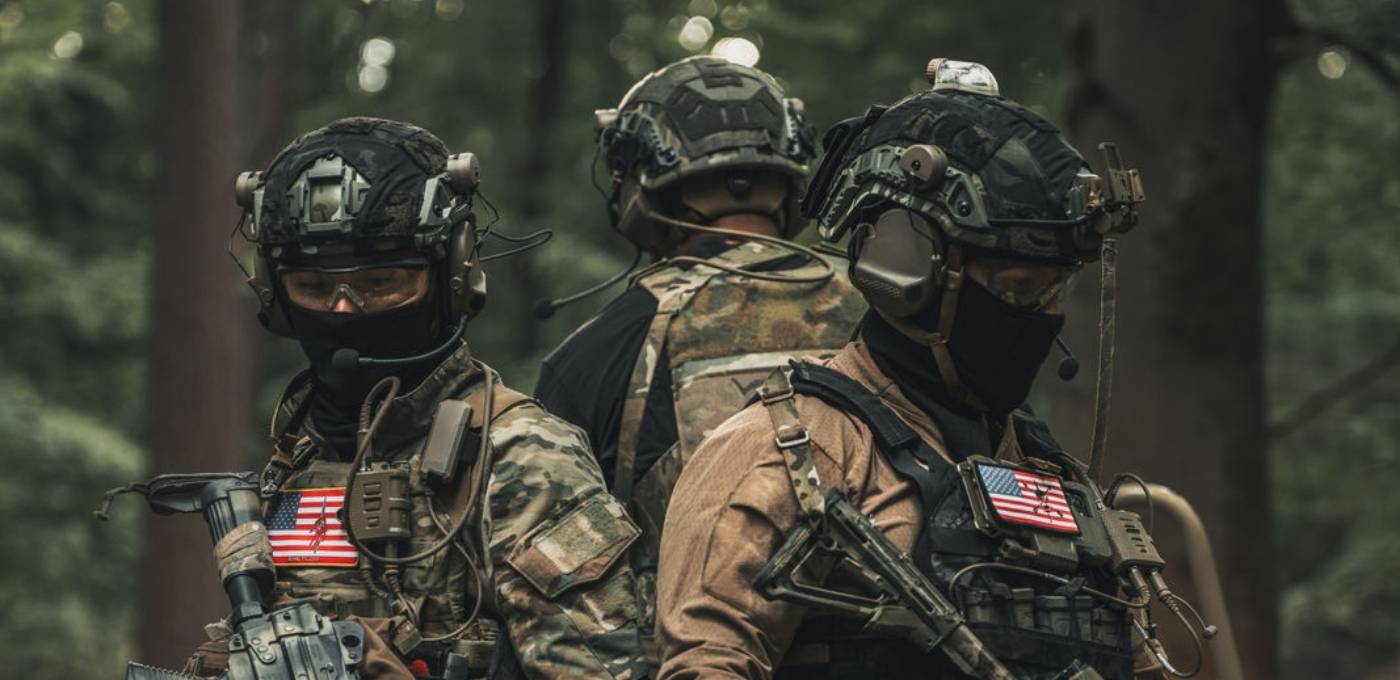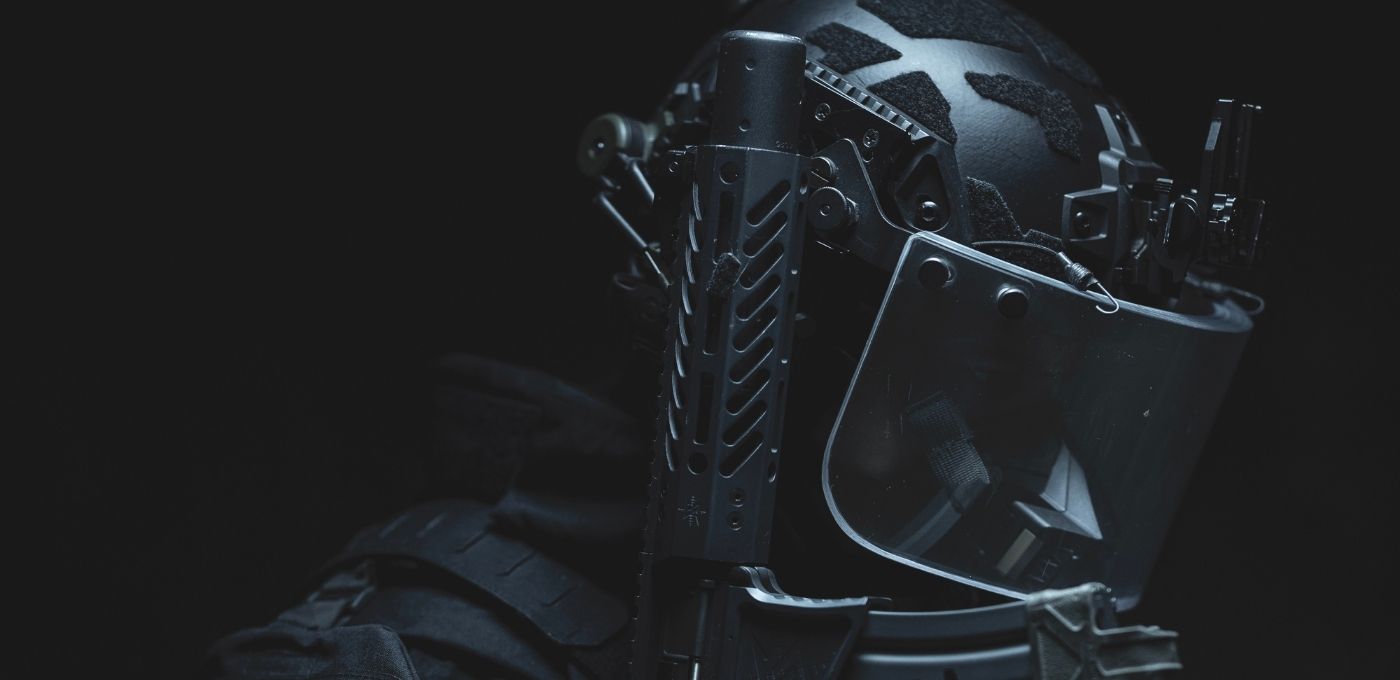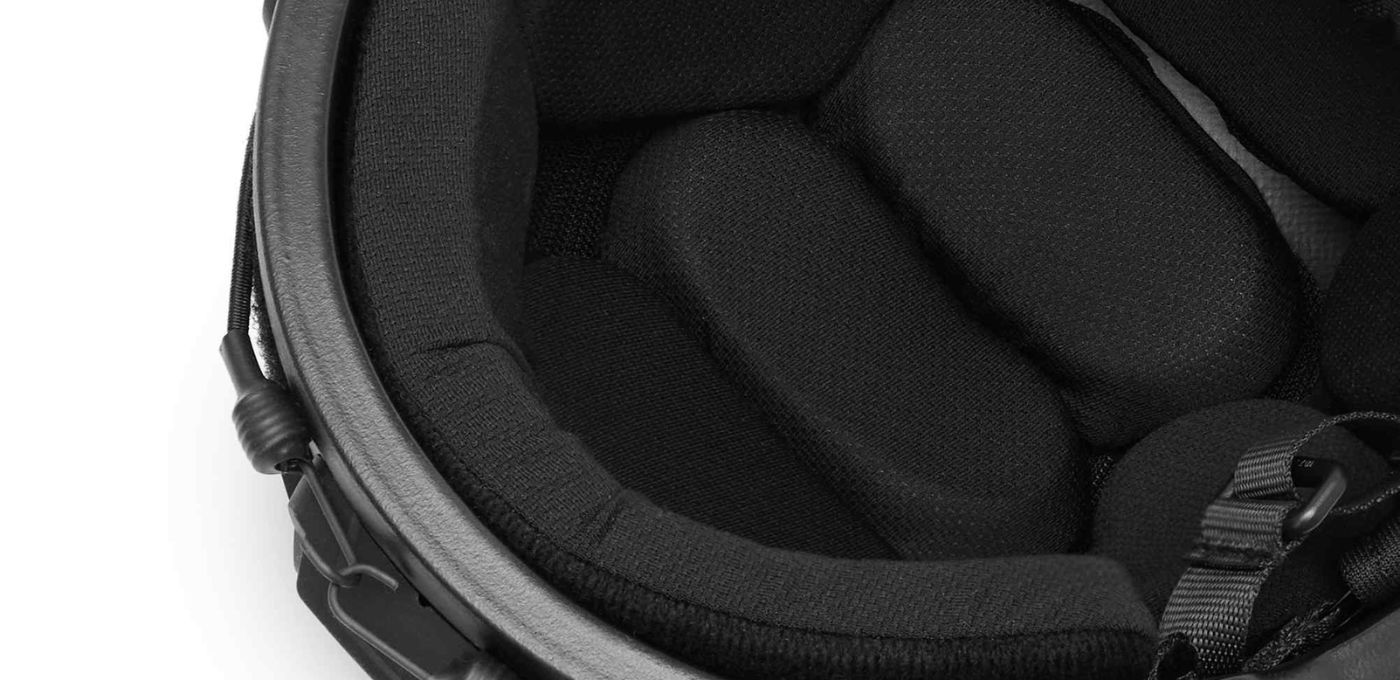
Ballistic helmet padding: Memory foam impact protection with the PGD 10-pad helmet liner
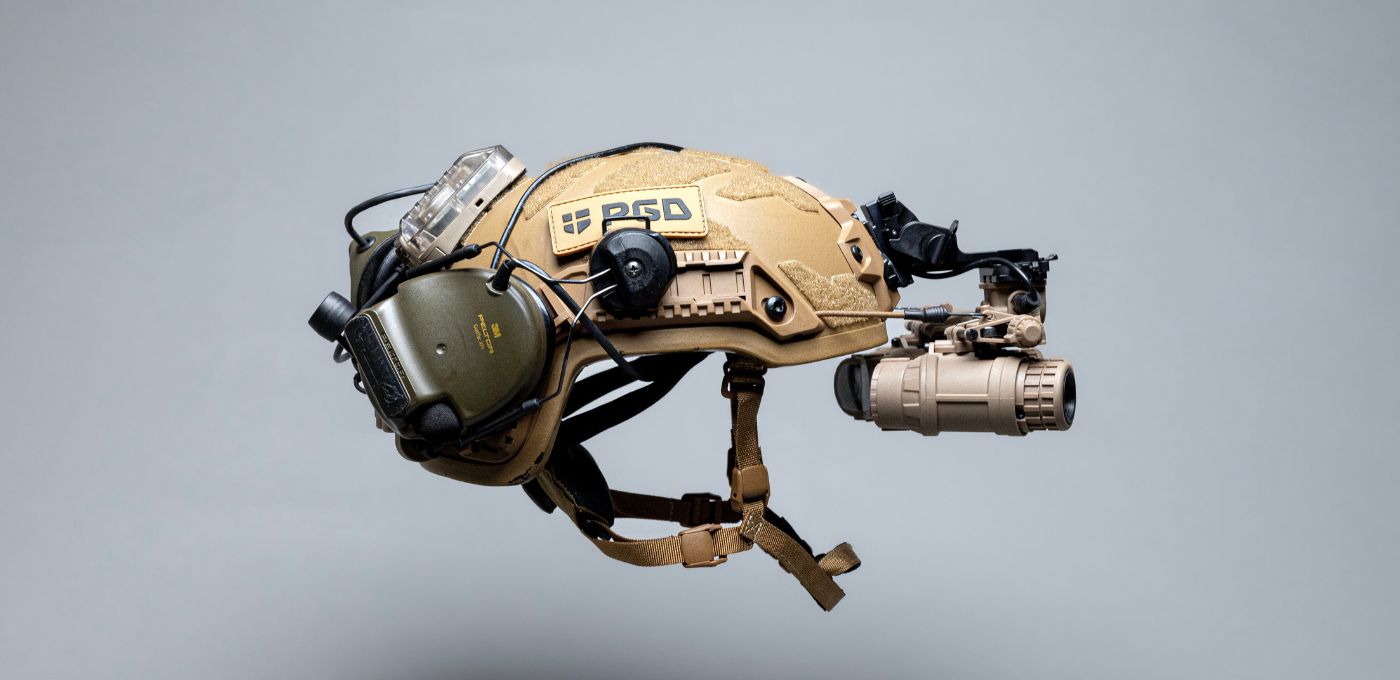
Have you ever wondered if your ballistic helmet truly maximizes your experience in challenging environments? Feeling uncertain about your helmet’s fit could mean the difference between effective protection and compromised performance.
If your helmet doesn’t fit right, it’s not doing its job. A proper ballistic helmet fit is more than just comfort – it’s essential for protection, performance, and endurance in the field. We know that even the best materials and design fall short without the right fit. That’s why helmets like the PGD ARCH GEN3 are engineered not just for ballistic resistance, but for precision sizing that keeps you focused and protected when it counts.
In this article, we’ll walk you through why fit matters, how to measure correctly, and what makes a helmet truly mission-ready.
When it comes to ballistic helmets, protection starts with fit. No matter how advanced the materials or how high the ballistic rating, a poorly fitted helmet can compromise performance in critical moments. Whether you’re military, law enforcement, or a prepared civilian, a helmet that doesn’t sit correctly on your head won’t provide the protection you expect – or need.
A proper fit ensures that the helmet stays securely in place during rapid movement, recoil from firearms, or impact. It minimizes shifting, which is essential for maintaining peripheral vision, aligning night vision devices, and keeping communication systems in place. A helmet that wobbles, tilts, or causes pressure points is more than just uncomfortable – it’s a liability.
Your helmet’s dimensions significantly affect its performance. Understanding ballistic helmet sizing, whether it’s for an M, XL or XXL, ensures a helmet that doesn’t just rest, but actively protects and supports you at every turn.

Take a closer look at the graphic we created to guide you through the proper way to measure for your ballistic helmet. It walks you through 3 simple steps to ensure you get an accurate head circumference measurement – the first and most important step to finding the right fit. We’ve also included a clear U.S. helmet size guide to help you match your measurement to the correct helmet size, so you can confidently choose gear that offers both comfort and protection.
We’ll explan the 3 simple steps in the following paragraph.
Our helmets, designed to meet NIJ Level III-A standards, are where science meets practicality. How can you tell if your ballistic helmet fits just right? Head circumference, measured above your eyebrows and ears, dictates the necessary shell size. Imagine your helmet’s front rim positioned about ½ inch above your eyebrows. This isn’t just for aesthetic balance; it shields your forehead without impacting your vision. Ensure the crown pads touch your head evenly, optimizing impact absorption. A well-designed helmet evenly distributes impact. Thanks to our sophisticated PGD 10-pad interior, it offers comfort and secure protection. Discover this in action with our PGD ARCH GEN3 ballistic helmet.
Pro tip: If you’re between two sizes, we recommend going with the smaller one – it’ll give you a more secure fit.
Comfort is another major factor. High-risk environments demand long hours of wear. A helmet that fits well will distribute weight evenly, reduce fatigue, and prevent hot spots or headaches. That’s why systems like PGD’s 10-pad liner and 4-point retention system are critical – they let you fine-tune the fit, making sure the helmet feels snug but not restrictive.
The right fit also plays a major role in impact absorption. Helmets are designed to reduce blunt force trauma through even pressure distribution. If the pads don’t make proper contact with your head, that protection is compromised. Crown pads that sit flush against your skull help absorb and distribute energy from blasts or strikes more effectively.
In any mission, a precise ballistic helmet fit is indispensable. Don’t let poor fitting lead to vision obstruction or discomfort; choose PGD for effectiveness.

We get a lot of questions about:
How should a ballistic helmet fit?
So we’ve answered three of the most common ones below.
To get the right ballistic helmet size, you’ll need to measure the circumference of your head. Use a soft, flexible measuring tape (like a tailor’s tape) and wrap it around the widest part of your head, just above the ears and about 1 inch above the eyebrows. This is the area where your helmet will sit. Make sure the tape is level all the way around and snug, but not too tight. Record the measurement in either centimeters or inches. Then, refer to the manufacturer’s sizing chart to find the helmet shell size that corresponds to your head measurement. If you’re between sizes, most experts recommend choosing the smaller size for a more secure fit.
Your helmet should feel snug and secure, but not overly tight. It should sit level on your head without tilting forward or backward, and it shouldn’t cause any pressure points, headaches, or interfere with circulation. A good fit means the helmet stays in place even when you move or shake your head. If the helmet rocks side-to-side or front-to-back, it’s likely too loose. Remember, a snug helmet not only improves comfort but also enhances safety by ensuring the pads stay in position during impact.
Modern ballistic helmets, like the PGD ARCH GEN3, come with a four-point retention system (including an adjustable chin strap) and a modular 10-pad liner system. Use the retention system to stabilize the helmet and prevent movement during active use. Then adjust the padding layout inside the helmet – adding, removing, or repositioning the pads—to create a custom fit that evenly distributes pressure and maximizes comfort. Properly placed crown and side pads also help with impact absorption, ensuring the helmet performs as intended under stress.
Check out this quick YouTube Shorts clip from PhoenixFeatherAirsoft as he swaps out the old pads in his helmet for a fresh set of PGD 10-pad liners. In under a minute, he shows just how fast and easy the upgrade really is – no tools, no hassle. He also shares his firsthand take on the difference in comfort, explaining how the PGD pads offer way better support and fit compared to his old setup.
If you’ve been thinking about upgrading your helmet interior, this is the kind of real-world proof you’ll want to see.
Choosing PGD symbolizes peace of mind and unwavering protection. A poorly fitted helmet jeopardizes performance. With PGD, we assure not just a product, but a promise to protect lives with precision engineering and trusted standards.
Explore the premium fit of our ballistic helmets with Protection Group Denmark. Contact us today to learn more about the PGD ARCH GEN3 ballistic helmet. In the U.S., helmets meeting NIJ Level III-A standards are common in military and law enforcement, requiring precise fit to ensure certified ballistic protection per NIJ and MIL-STD regulations. Proper fit is essential to ensure that the helmet’s tested ballistic and blunt impact protective capabilities function as designed.
Choose confidence; choose PGD.
Protect what matters.
We’ve moved our U.S. sales
Protection Group Denmark products are now available in the United States exclusively through our official distributor, Colorado Gun Fighter. This store is no longer accepting new orders — please continue your purchase there.
Already placed an order with us? Don’t worry — all existing orders will be fulfilled as normal.
Shop at Colorado Gun Fighter