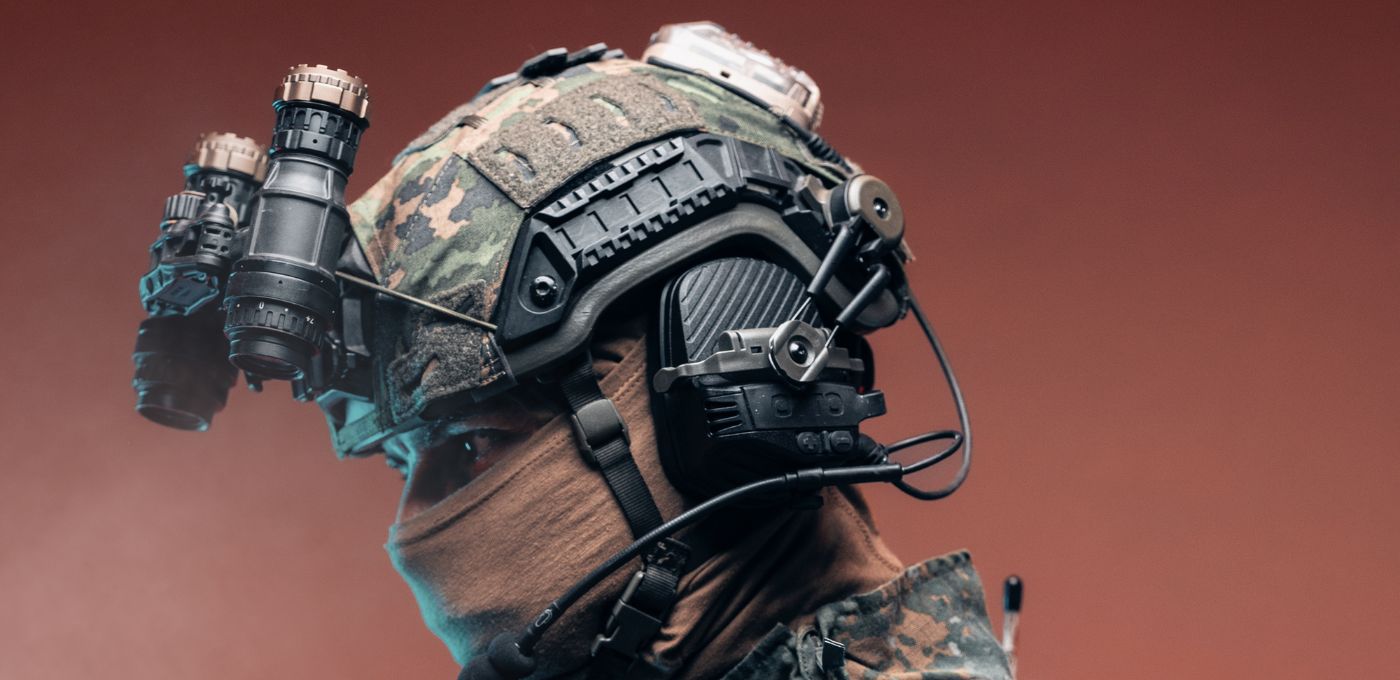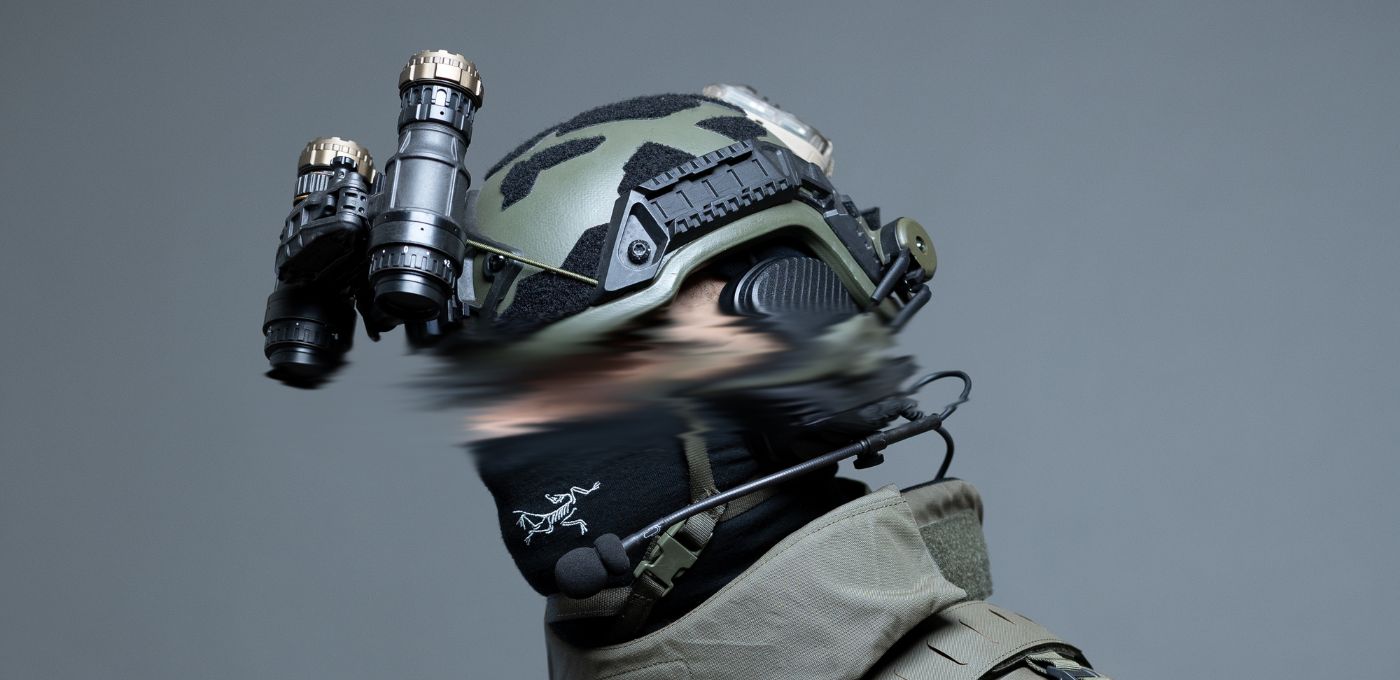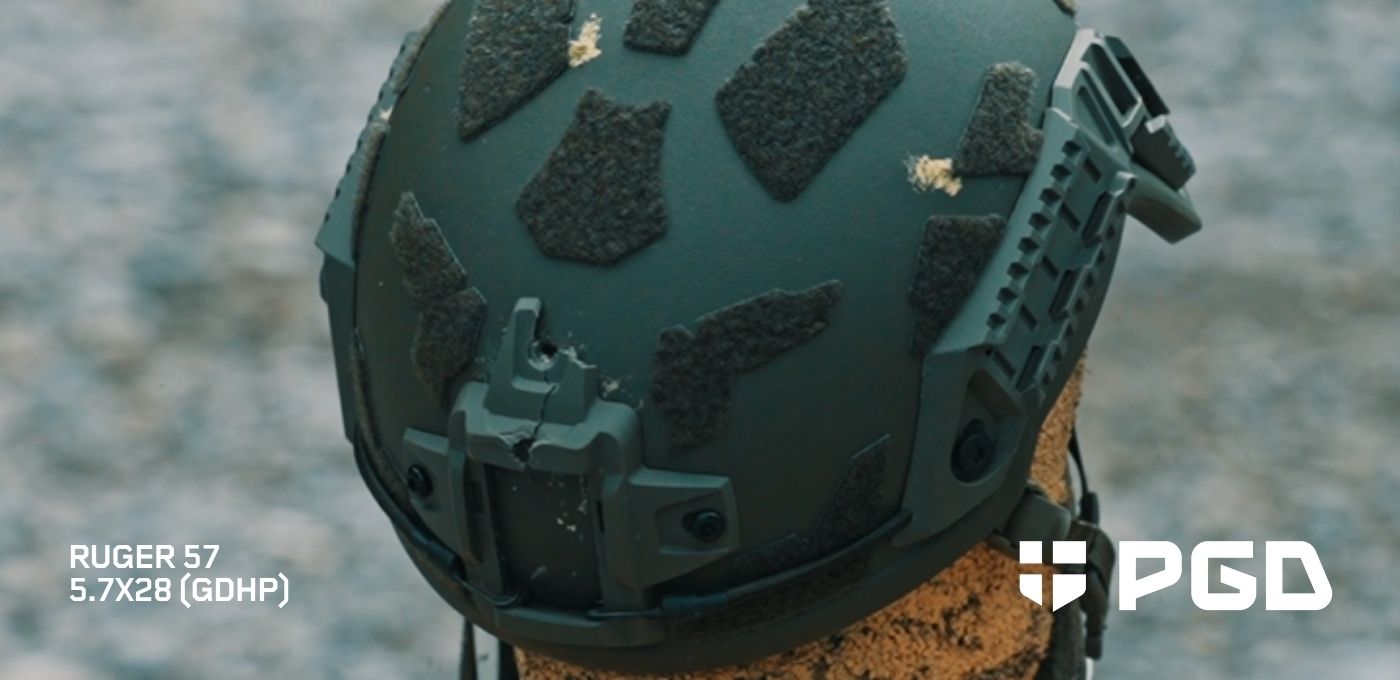
Ruger 57 5.7×28 GDHP: Live-fire helmet test results
When it comes to ballistic helmets, we know that Americans like things the same way they like their coffee: strong, reliable, and preferably made here at home. The words “Made in the USA” carry serious weight – not just for marketing, but for soldiers, cops, and security pros who depend on gear that absolutely cannot fail. Add in a little star-spangled pride, and suddenly your helmet isn’t just protection – it’s practically a statement.
But here’s the kicker: not every helmet with American DNA is actually born and raised in the USA. Some helmets are built overseas but use 100% U.S.-sourced materials like Kevlar and aramid fibers – meaning the guts of the protection are just as American as baseball, but the final stitching happens elsewhere. So, does that make them any less effective? Not at all. Does it make procurement officers scratch their heads? You bet.
In this guide, we’ll cut through the marketing smoke, explain what “American made” really means (and what it doesn’t), and help you figure out whether you need a helmet that’s red-white-and-blue all the way through – or if American materials in an overseas build are the smarter, budget-friendlier call.
When you’re shopping for gear as critical as a ballistic helmet, it’s only natural to want the real deal – something stamped American made with the kind of reassurance that comes from domestic manufacturing. That’s exactly what The MIGHTY SMAUG had in mind when he set out to buy a black, American-made ballistic helmet. Like many buyers, he wanted the combination of proven U.S. quality, NIJ-rated protection, and that peace of mind that comes with “Made in USA” branding.
But here’s where the story takes a turn. The specific American-made helmet he was looking for was out of stock – a frustratingly common situation in today’s market. Rather than compromise on protection, he decided to take a chance on the PGD ARCH GEN3 ballistic helmet in black, knowing it was built with 100% American-sourced aramid fibers and Kevlar. While the assembly happens in Europe, the protective core of the helmet – the part that actually stops rounds and fragmentation – comes straight from U.S. suppliers.
The result? To our luck (and his surprise), Plan B turned out to be the better choice. In his video review, The MIGHTY SMAUG dives into every detail – from the fit and finish of the helmet shell to the comfort of the padding and liner system. He also talks about performance, weight balance, and the overall feel of the helmet during real use. What stands out most is how the PGD ARCH GEN3, with its verified U.S. materials and full NIJ IIIA testing, delivered exactly the level of trust and quality he was looking for in an American-made helmet.
In other words: sometimes the label isn’t the whole story. The MIGHTY SMAUG started off searching for a fully American-made ballistic helmet, but ended up with a helmet built from 100% American ballistic fibers – and he walked away impressed. If you want an unfiltered, user-level perspective on how the PGD ARCH GEN3 performs in the field, his review is well worth the watch.
And as an added bonus, by choosing the PGD ARCH GEN3 with 100% U.S. materials, he also saved a buck compared to the fully American-made option.
American made ballistic helmets are highly valued by U.S. military, law enforcement, and security professionals for their proven performance and transparent sourcing of materials such as Kevlar and aramid fibers. These helmets typically meet or exceed NIJ Level IIIA standards, ensuring protection against handgun and fragmentation threats. Leading manufacturers source materials and manage production in the U.S., offering robust documentation. Helmets built overseas but with American materials, like the PGD ARCH GEN3, provide equivalent protection and often a more competitive price point. Understanding certification, sourcing, and compliance is essential to making an informed decision. Verify material origins and test reports to ensure you get the legitimate U.S.-made quality you need.
For military, law enforcement, and security professionals, the terms “American made” or “Made in the USA” aren’t just labels – they signify a commitment to quality, compliance, and reliable sourcing. But what actually separates a helmet claimed as American made from one that isn’t? Here’s how to distinguish real U.S. manufacturing and sourcing from marketing ambiguity.
Nearly all ballistic helmets – whether made in the U.S. or abroad – rely on advanced fibers for their protective properties. The most important materials include:
American made ballistic helmets usually source these fibers from reputable domestic suppliers, such as DuPont or Honeywell, ensuring full traceability and consistency.
The phrase “Made in USA” isn’t interchangeable with “Manufactured with U.S. materials.” Understanding the distinctions is crucial, especially in regulated procurement environments:
For buyers, knowing the difference affects not only compliance but long-term support and documentation availability.
Trustworthy manufacturers provide transparency through:
When in doubt, request third-party lab results and material certificates before purchase. A truly American made ballistic helmet should come with verifiable paperwork, providing buyers with peace of mind and audit trail for compliance.
At PGD, we build ballistic helmets with 100% American-made fibers – Kevlar® from DuPont, Dyneema® from Avient, and Spectra® & Goldshield® from Honeywell. Think of it like apple pie: the recipe is ours, but the ingredients are proudly American. And because talk is cheap, we send our helmets to gold-standard U.S. labs like Element Defense, where they take more hits than a linebacker on Super Bowl Sunday. The result? Trusted protection with American muscle, proven where it counts.
 |
 |
Choosing an American made ballistic helmet offers advantages that matter, especially for federal, state, and local agencies requiring guaranteed quality and origin.
Government and law enforcement organizations often require:
Choosing a helmet that is 100% made in the USA simplifies procurement and compliance with federal regulations.
A handful of U.S. brands dominate the ballistic helmet market, known for their commitment to innovative materials, rigorous testing, and full documentation.
Look for manufacturers that guarantee:
Brands like Team Wendy, Ops-Core, and ArmorSource stand out for meeting these stringent criteria across their helmet lines.
Is it really better to only buy an all–American-made ballistic helmet?
There’s no question that U.S.-manufactured helmets have advantages – especially for federal, state, and local agencies that are legally required to buy products made under the Berry Amendment or Buy American Act. For those buyers, a fully “Made in USA” helmet is the right choice.
But here’s the truth: When it comes to performance, protection, and testing, PGD delivers the exact same trusted protection – because our helmets are built from 100% American-sourced ballistic materials like DuPont Kevlar®, Honeywell Spectra®, and Avient Dyneema®. These are the very same fibers used in leading U.S. helmets, backed by NIJ IIIA and testing in accredited U.S. labs such as Element Defense.
What’s the difference? PGD manufactures in Europe, allowing us to offer competitive pricing and faster availability without compromising on protection. For agencies and individuals who don’t need Berry Amendment compliance, PGD helmets provide the perfect balance:
So while “Made in USA” may be a procurement necessity for some, for many professionals worldwide, PGD offers the smarter choice: American materials, American testing – global efficiency.
Our goal isn’t to sway you with slogans, but to inform you with facts. PGD helmets combine 100% American ballistic materials with rigorous U.S. testing and transparent documentation. The result: protection you can trust, no matter where it’s assembled.
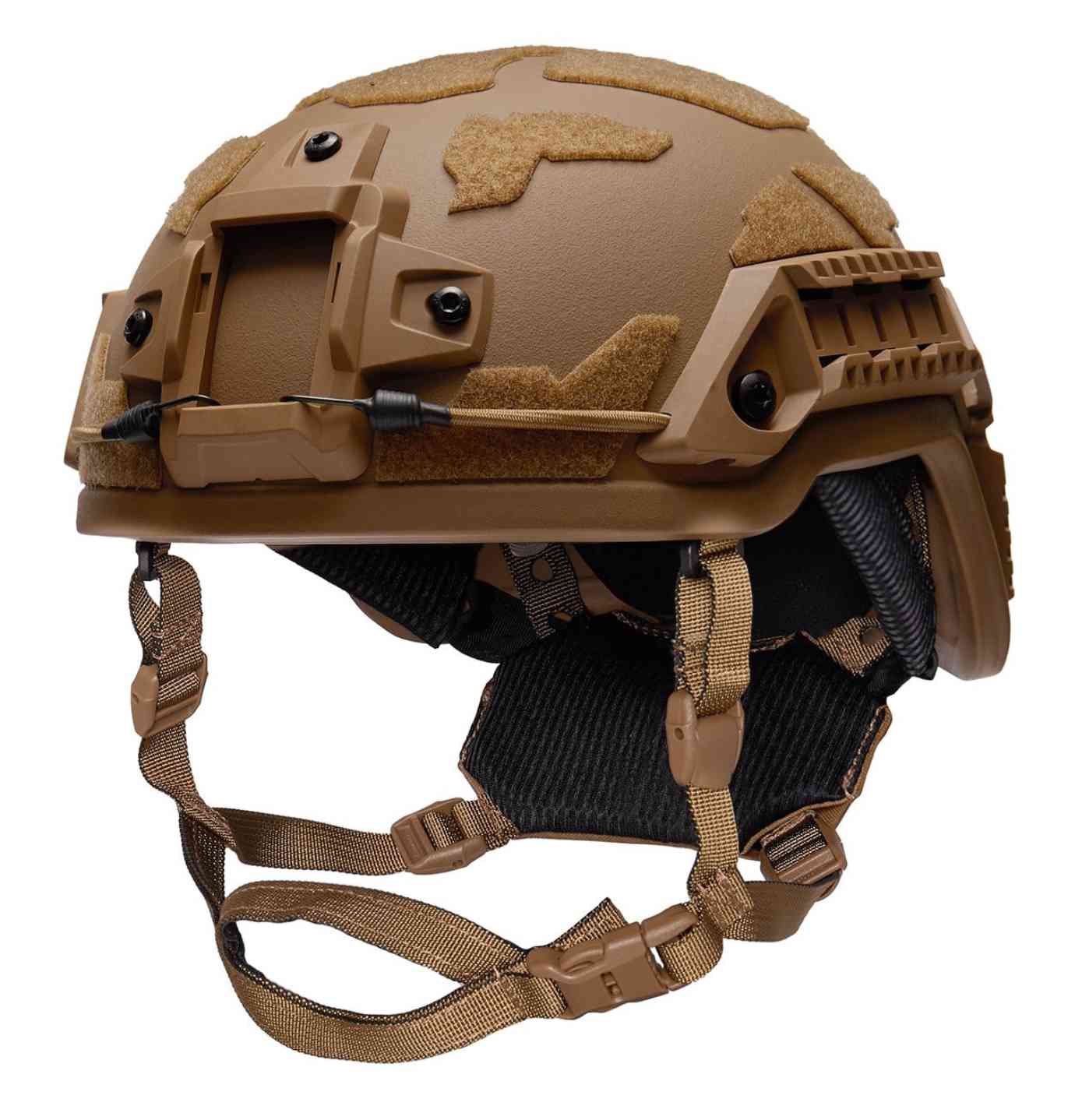
While 100% American made helmets offer clear advantages for some buyers, opting for helmets manufactured abroad using U.S. fibers can provide significant cost and value benefits – without sacrificing ballistic integrity. Protection Group Denmark (PGD) bridges this gap with transparent sourcing and rigorous testing.
PGD ballistic helmets, including the acclaimed PGD ARCH GEN3 Ballistic Helmet, are crafted using:
The result: Genuine American ballistic materials, even when manufacturing occurs in Europe.
Every PGD ARCH GEN3 helmet is:
PGD’s commitment to visible, third-party test documentation sets a transparent standard other imported helmets rarely meet.
Sourcing helmets assembled in Europe – but with American ballistic fibers – delivers:
For buyers not legally bound to purchase only U.S.-made goods, choosing the PGD ARCH GEN3 Ballistic Helmet means getting top-tier protection and documentation at a lower price – without compromise.
The PGD ARCH GEN3 Ballistic Helmet stands out in the global market:
Discover more about the PGD ARCH GEN3 Ballistic Helmet and explore the full range of solutions at Protection Group Denmark.
Sure, nothing sounds cooler than ‘Made in the USA.’ But if the fibers are American, the tests are American, and the protection is rock-solid – does it really matter where we bolt it all together? We’ll let you decide. At PGD, we just bring the proof.
Visit our “What They Say” page to read what real users have to say about our products.

If you’ve made it this far, chances are you’re at least a little curious about what else PGD has up its sleeve. Good news: we’ve got more than helmets. Over on the PGD Blog, we dive into the nerdy details – ballistics, NIJ standards, sourcing, and the kind of gear talk that makes procurement officers nod approvingly.
But hey, we’re not just about long reads. On LinkedIn, we share informative posts, updates, and insights that keep you in the loop on all things protection – perfect if you want to look smart in your next team briefing.
And if you’re more of a visual person (or just like to see cool gear in action), check out our Instagram. That’s where we showcase our products, behind-the-scenes looks, and the occasional tactical glamour shot.
So whether you’re a blog reader, a LinkedIn scroller, or an Instagram double-tapper – we’ve got you covered. Just like our helmets.
When selecting a ballistic helmet for duty, procurement, or personal protection, understanding the differences between domestic and imported models made with U.S. materials is crucial.
To make an informed, compliant decision, professionals should consider:
For tailored assistance – whether you require fully domestic or American-material helmet solutions – contact Protection Group Denmark for expert guidance and documentation support.
American made ballistic helmets provide unmatched assurance for military, law enforcement, and security professionals who demand documented sourcing, consistent performance, and full compliance with domestic procurement rules. Brands like Ops-Core, Team Wendy, and ArmorSource lead with innovation and transparency, leveraging top-shelf aramid and Kevlar sourced within the U.S.
For buyers balancing performance with cost-effectiveness, helmets like the PGD ARCH GEN3 Ballistic Helmet offer equal protection, using verified U.S.-origin ballistic fibers, thoroughly documented sourcing, and full NIJ IIIA protection at a more accessible price point.
Wherever you stand – whether prioritizing 100% American manufacture or the best value in U.S. material-based protection – always verify documentation, test reports, and warranty coverage before purchasing. Trust Protection Group Denmark as your partner in sourcing transparent, top-performing ballistic helmets, and secure the right solution for your operational needs.
Look, we get it – stars, stripes, and ‘Made in USA’ has a nice ring to it. We’re not here to twist your arm, just to give you the facts. At PGD, we’ll let the American materials, U.S. lab tests, and the helmets themselves do the convincing.
Brands like Team Wendy, Ops-Core, and ArmorSource stand out for meeting these stringent criteria across their helmet lines. Look for manufacturers that guarantee ballistic fiber origin (DuPont Kevlar or domestic Twaron, with full certificate traceability), shell forming and assembly completed in U.S. facilities from U.S.-supplied prepreg materials, and accessory integration where even side rails, shrouds, and pads are made stateside.
PGD (Protection Group Denmark) also belongs in this category when it comes to material sourcing. While PGD helmets are manufactured in Europe, every PGD ballistic helmet, including the ARCH GEN3, is built with 100% U.S.-sourced ballistic fibers like DuPont Kevlar®, Honeywell Spectra®, and Avient Dyneema®. These are the exact same materials trusted by leading American manufacturers.
The difference? PGD combines American materials and U.S. lab testing with European production efficiency, ensuring full NIJ IIIA protection and transparent documentation – often at a more competitive price point than fully U.S.-manufactured helmets.
American made ballistic helmets are highly valued by U.S. military, law enforcement, and security professionals for their proven performance and transparent sourcing of materials such as Kevlar and aramid fibers. These helmets typically meet or exceed NIJ Level IIIA standards, ensuring protection against handgun and fragmentation threats. U.S. manufacturers build ballistic helmets to meet or exceed standardized ballistic testing, ensure consistent performance, and provide full compliance with domestic procurement laws. Choosing an American made ballistic helmet offers advantages like faster support, clear warranty policies, and robust documentation, especially for agencies requiring guaranteed quality and origin. For buyers who do not require Berry Amendment compliance, PGD offers a compelling alternative: helmets like the PGD ARCH GEN3 are built with 100% American-sourced Kevlar® and aramid fibers, tested in accredited U.S. laboratories, and backed by full documentation. The result is the same trusted protection and transparency – often at a more competitive price point – making PGD an excellent choice for professionals worldwide.
Trustworthy manufacturers provide transparency through certificates of origin (clearly stating where ballistic fibers and helmet shells are sourced and made), chain-of-custody records (detailing every step, from material batch to finished helmet), and NIJ test reports (proof from lab testing conducted at accredited U.S. facilities). When in doubt, request third-party lab results and material certificates before purchase. A truly American made ballistic helmet should come with verifiable paperwork.
The phrase “Made in USA” means every step – from raw ballistic fiber weaving to helmet forming, finishing, and assembly – occurs in the United States, making these helmets eligible for domestic agency contracts and compliant with procurement laws like the Berry Amendment and Buy American Act. Imported helmets made with U.S. materials are assembled abroad but use American-made core materials such as aramid or Kevlar fiber, offering similar ballistic performance and often a more competitive price. However, only fully American-made helmets guarantee compliance for federal government and military contracts, while imported options may be acceptable for private or international buyers. Always request written confirmation on country of origin and U.S. content when evaluating your options.
Protect what matters.
We’ve moved our U.S. sales
Protection Group Denmark products are now available in the United States exclusively through our official distributor, Colorado Gun Fighter. This store is no longer accepting new orders — please continue your purchase there.
Already placed an order with us? Don’t worry — all existing orders will be fulfilled as normal.
Shop at Colorado Gun Fighter