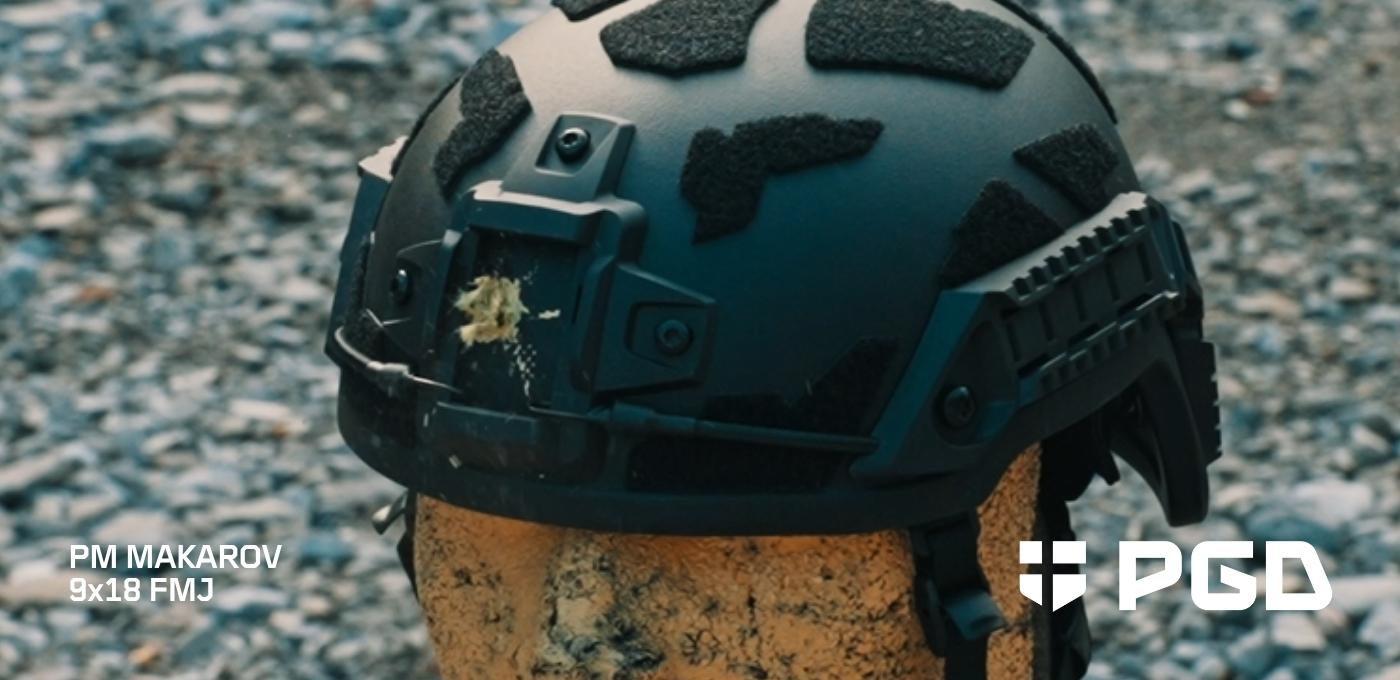
PM Makarov 9×18 FMJ: Live-fire helmet test results
If Batman ever went shopping for head protection, chances are he’d walk right past the camo and tan racks and head straight for the black ballistic helmet section. Black doesn’t just look sharp – it says serious business while keeping reflections low and your tactical cool intact. Sure, it might soak up a little more sun than your desert-tan buddy’s lid, but let’s be honest: you weren’t planning on sipping lemonade in the desert anyway.
Whether you’re SWAT, private security, or just someone who appreciates gear that screams “professional” without saying a word, black is the finish that blends in everywhere except a beach vacation. So buckle up (or strap down) – this guide shows you why the black ballistic helmet isn’t just stylish, it’s seriously functional.
This guide explores the advantages of choosing a black ballistic helmet, focusing on key technical features, who typically selects black, and how it performs across different environments. You’ll learn why law enforcement, tactical professionals, and civilians value the low-glare matte finish for urban and nighttime operations. We address concerns about heat absorption and visibility, clarify that color doesn’t affect ballistic protection, and highlight the independently tested NIJ IIIA-rated PGD ARCH GEN3 Ballistic Helmet.
Understand when black is the optimal choice for your mission and how it compares to other options on the market.
A black ballistic helmet is a protective headgear designed to shield the wearer from ballistic threats, blunt force trauma, and fragmentation. Known for its tactical matte black finish, this helmet is widely adopted by law enforcement, tactical teams, private security, and civilians seeking proven performance in urban and low-light environments. While often associated with a sleek, authoritative appearance, its true value lies in the advanced materials and engineering built into each helmet.
Most modern black ballistic helmets use high-performance materials like Kevlar® or ultra-high molecular weight polyethylene (UHMWPE) – materials specifically engineered to absorb and disperse ballistic energy. These forms of aramid fiber offer a critical combination of strength, flexibility, and weight reduction, ensuring effective protection without unnecessary bulk.
Check out the video below from The MIGHTY SMAUG!! !!, who originally set out to buy an American-made black ballistic helmet – but when the one he wanted was out of stock, he took a shot on the PGD ARCH GEN3 in black instead. And to our luck, he was impressed. From fit and finish to performance and comfort, hear his unfiltered thoughts after putting the helmet through its paces. Sometimes plan B turns out to be the better choice.
For law enforcement and civilian users, NIJ Level IIIA (often written as level 3a) is the gold standard for head protection. Helmets meeting this standard are designed to stop common handgun rounds (including .357 SIG and .44 Magnum) and reduce the risk of trauma from impacts. A true lightweight black ballistic helmet level 3a leverages advanced fiber layering and impact absorption pads to maximize comfort over long missions.
A defining feature of the matte black ballistic helmet is its non-reflective, tactical finish. The surface is engineered to resist scratches and sun fade – preserving its functionality and professional look through repeated use in harsh environments. The low-glare finish not only enhances aesthetics but also prevents the helmet from reflecting artificial or natural light, a key advantage during night operations or urban engagements.
Tactical black finishes are formulated to bond tightly to the shell, resisting the chips and abrasions that can come with operational wear. Whether used as a black kevlar helmet or black tactical helmet, the finish stands up to rough handling, inclement weather, and the routine demands of field work.
A common question is whether the black color or finish affects a helmet’s ballistic capability. The answer is clear – helmet color does NOT influence the level of ballistic protection provided. Protection comes solely from the composition of layers (Kevlar or UHMWPE) and the manufacturing standards met during production. Whether you’re using a black bulletproof helmet, a tan, green, or camouflage variant, all must independently pass NIJ IIIA tests to be rated for ballistic threats.
What does matter operationally is how the surface finish integrates with your mission: a matte black ballistic helmet offers tactical benefits in certain conditions, but protection performance is universal across finishes of the same model.
At Protection Group Denmark, we believe that protection is about more than just materials and performance – it’s also about how your gear adapts to your mission. One often overlooked factor is color, and the black ballistic helmet remains one of the most popular choices among tactical professionals worldwide.
Our PGD ARCH GEN3 ballistic helmet in black delivers NIJ level IIIA protection while offering an appearance that blends seamlessly into a wide range of operational environments. Whether you’re operating in urban terrain, conducting night missions, or performing high-risk entries, the matte black finish offers more than just a sleek look – it adds real tactical value. That’s dope, and you know it!
The color black provides a low-reflective, no-glare surface that helps maintain a low profile, especially in low-light conditions. This makes it particularly useful for law enforcement, SWAT units, military operations, and private security professionals who require discretion and stealth. It also pairs well with most uniform setups and tactical gear, allowing for seamless integration across your loadout.
So basically… what’s not to like, huh?
From a functional and visual standpoint, the black ballistic helmet offers a powerful balance of professional presence and operational readiness. Here at PGD, we’re proud to offer a helmet that doesn’t just protect – but performs, blends in, and commands respect when it matters most.
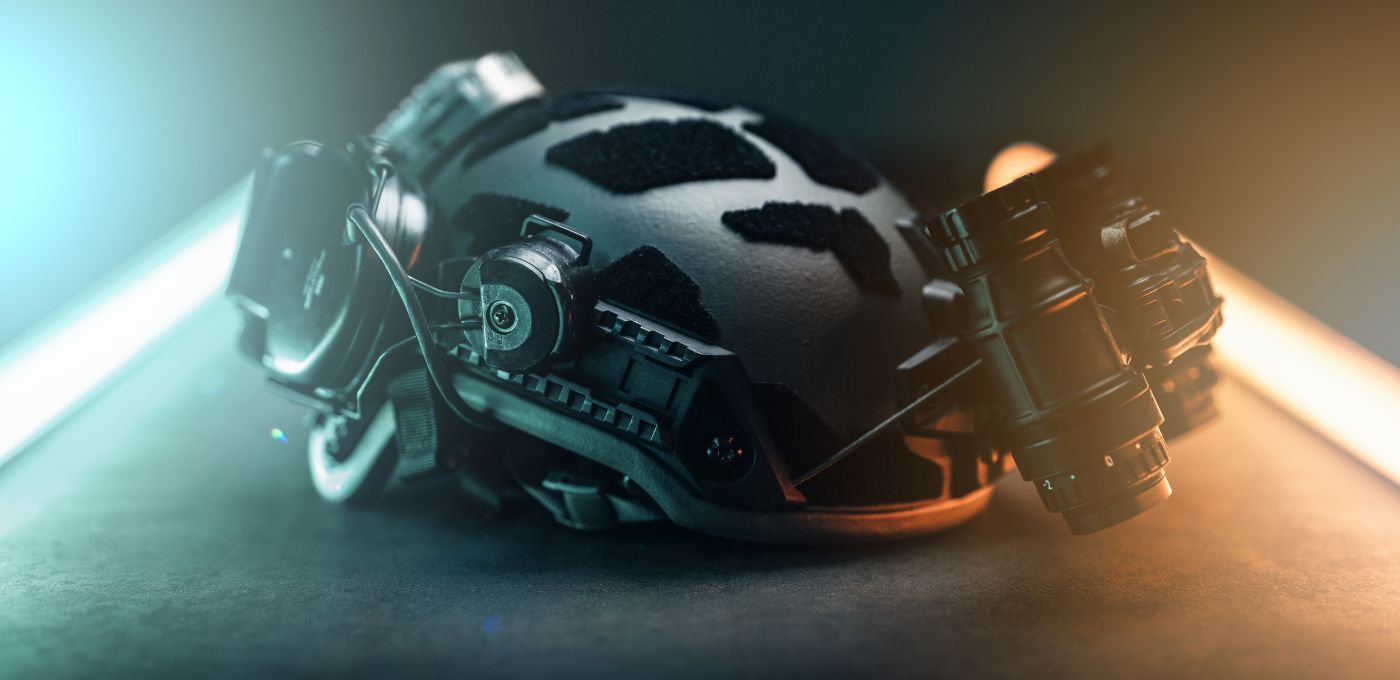
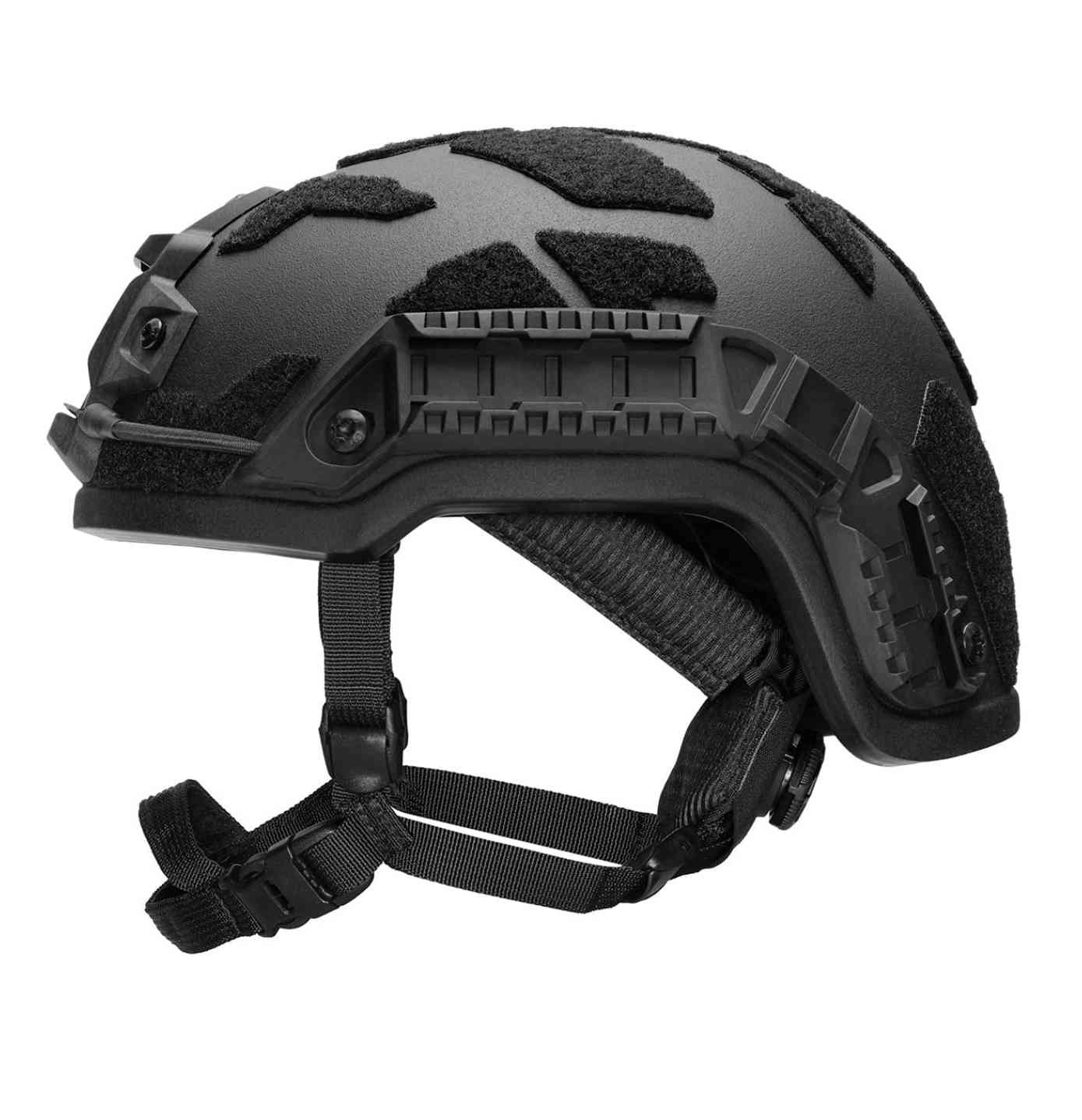
Will you please check out the picture below for a detailed look at the PGD black ballistic helmet – showcasing its clean matte finish, streamlined design, and premium build quality.

No need to lose your cool. Stay calm. We know it’s tough when gear looks this good.
Choosing a helmet color affects tactical effectiveness, comfort in certain climates, and how well you blend into your operational environment. Here’s how black compares to alternative options.
Black helmets naturally absorb more sunlight than lighter colors, meaning they can get warmer in direct sunlight. This is relevant for extended day missions, especially in open or hot environments. However, modern black ballistic helmets often include advanced venting and moisture-wicking liners to offset potential discomfort.
Environmental adaptation, not protection, guides this choice. If your missions are indoors, urban, or nocturnal, the impact is negligible. If operating in extreme sunlight for long durations, lighter finishes may be preferable for temperature management.
The black tactical helmet dominates in SWAT, police, and special operations, largely due to its capacity for stealth and team coherence. In urban settings, the low-glare matte finish prevents helmet glint under city lights, while enhancing the cohesive, authoritative presence required during crowd control or high-profile interventions.
Built for night ops and urban missions, black helmets blend seamlessly with standard uniforms and tactical vests, maintaining low-visibility profiles and minimizing visual distractions.
Helmet color is often dictated by organizational rules and mission-specific needs.
Integration goes deeper – accessory rails, adapters, and mounts are often also finished in black, ensuring complete gear uniformity and compatibility.
A black ballistic helmet isn’t ideal for every scenario, but for specific user groups and missions, it’s the smart and practical choice.
Police, SWAT, and special response teams overwhelmingly favor black kevlar helmets for several reasons:
The black bulletproof helmet is a staple for tactical entries, high-risk warrant service, and public event protection.
Beyond public sector teams, civilian users, private security professionals, and contractors in urban environments find unique value in black ballistic helmets.
For contractors working close protection, static security, or high-visibility executive assignments, a lightweight black ballistic helmet level 3a offers an unobtrusive yet ready protection.
A quick decision guide for operational scenarios:
Regardless of the mission, always prioritize helmet model, protection rating, and independent testing – then select the finish that best supports your environment and operational identity.
Not a fan of black? No problem – ballistic helmets come in a range of colors. Check out our PGD blog article “Multicam Ballistic Helmets: Designed for Modern Tactical Operations” to see if that’s a better fit for your mission. Or, if black is your thing and you’re looking to dive deeper into night ops setups, head over to our article “Ballistic Helmet with Night Vision: How to Choose the Best Setup for Night Operations.”
Among black ballistic helmets available today, the PGD ARCH GEN3 Ballistic Helmet stands out for its exceptional engineering, comfort, and tactical functionality.
We do like to say that we set the benchmark for quality with our own ballistic helmets, such as the PGD ARCH GEN3 ballistic helmet. Key features include:
Selecting the right black ballistic helmet is a matter of balancing operational needs, environment, and confidence in your equipment.
Here’s how to consolidate your decision:
Built for night ops and urban missions, a matte black ballistic helmet is hard to outperform in environments where stealth and authority truly matter.
Tips for purchasing:
Ready to equip your team or enhance your own mission readiness? Visit Protection Group Denmark to explore the PGD ARCH GEN3 Ballistic Helmet and discover high-trust ballistic protection options designed for real-world threats.
Black helmets naturally absorb more sunlight than lighter colors, meaning they can get warmer in direct sunlight. This is relevant for extended day missions, especially in open or hot environments. However, modern black ballistic helmets often include advanced venting and moisture-wicking liners to offset potential discomfort. In nighttime, urban, or interior environments, heat absorption is rarely an issue. The low-glare matte finish prevents the helmet from reflecting artificial or natural light, a key advantage during night operations or urban engagements, and enhances stealth and low visibility.
The black ballistic helmet is widely adopted by law enforcement, tactical teams, private security, and civilians seeking proven performance in urban and low-light environments. Police, SWAT, and special response teams overwhelmingly favor black kevlar helmets for stealth in low-light, uniform integration, and authoritative appearance. Civilian users, private security professionals, and contractors in urban environments also find unique value in black ballistic helmets due to their subdued profile, professional appeal, and accessory compatibility. Black ballistic helmets are ideal for urban, night, and tactical missions where stealth, authority, and uniformity are key.
Helmet color does NOT influence the level of ballistic protection provided. Protection comes solely from the composition of layers (Kevlar or UHMWPE) and the manufacturing standards met during production. The key differences are operational: black helmets absorb more sunlight and may be warmer in direct sunlight, while lighter colors may be preferable in hot or sunny environments. A matte black finish offers tactical advantages in urban and night operations by reducing glare and enhancing stealth, whereas lighter or camouflage helmets may be better suited for day missions in rural or desert regions. The choice should be guided by operational environment and mission requirements.
Protect what matters.
We’ve moved our U.S. sales
Protection Group Denmark products are now available in the United States exclusively through our official distributor, Colorado Gun Fighter. This store is no longer accepting new orders — please continue your purchase there.
Already placed an order with us? Don’t worry — all existing orders will be fulfilled as normal.
Shop at Colorado Gun Fighter