How to spot a counterfeit ballistic helmet: 12 essential tips

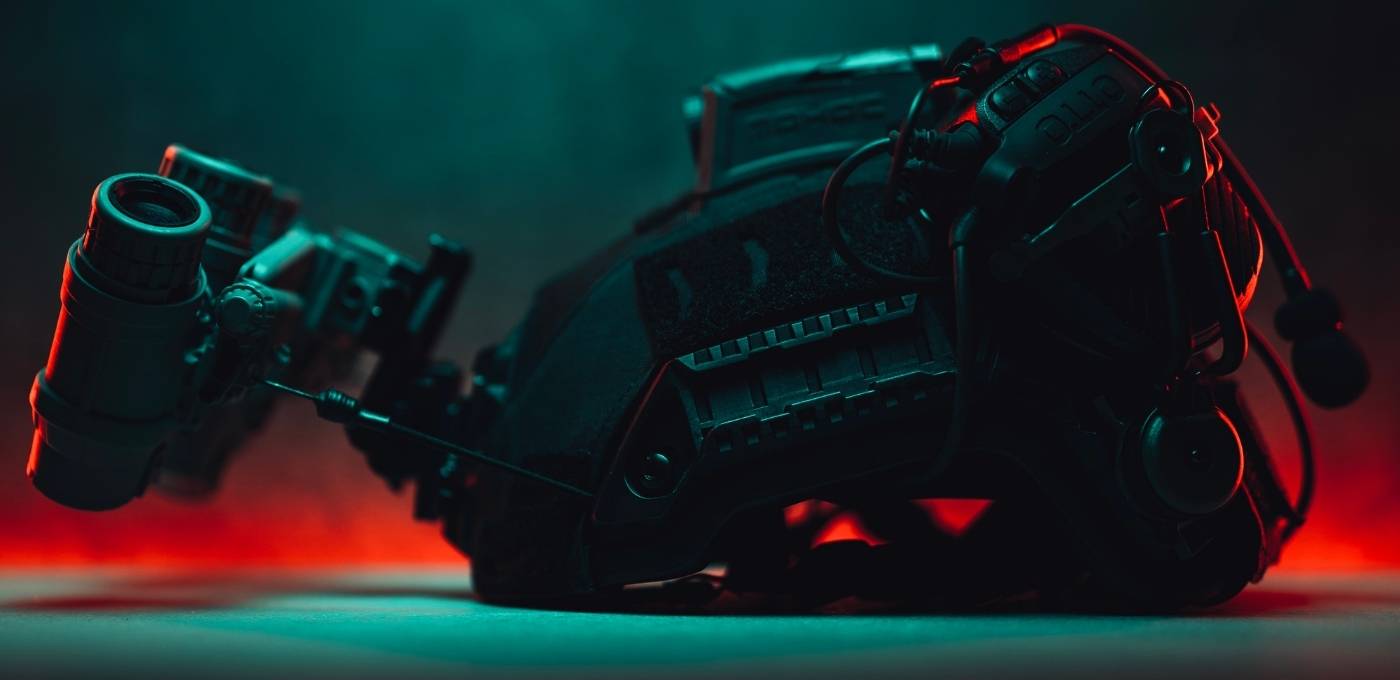
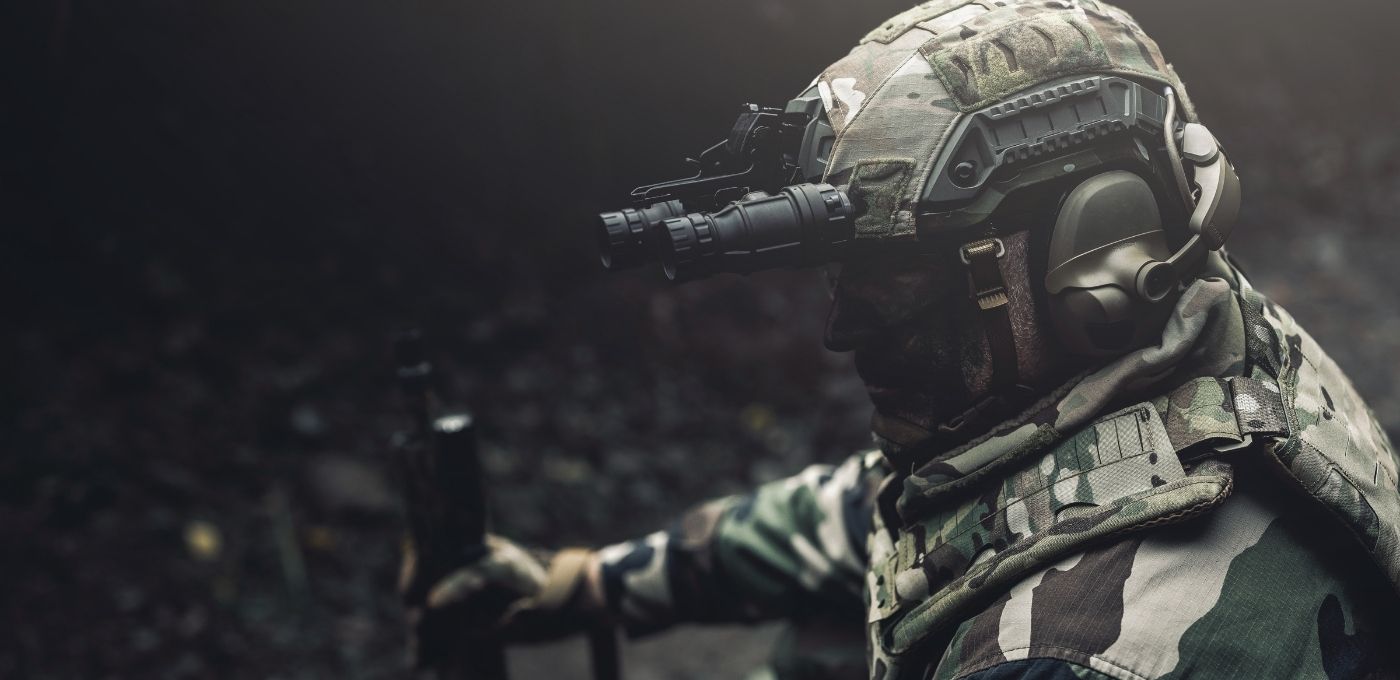
Strap on a ballistic helmet with night vision, and suddenly the world goes from pitch-black mystery to looking like you’ve unlocked cheat codes in real life. You’re not just wearing gear – you’re stepping into the kind of kit that makes midnight look like high noon. Sure, it looks cool (and it is cool), but the real point isn’t style – it’s survival. The right helmet and NVG setup can mean the difference between moving with confidence in the dark… or tripping over a log while your buddy laughs at you over comms.
That’s why choosing the best ballistic helmet with night vision isn’t about showing off gear – it’s about making sure your shroud, balance, and fit are dialed in for when it really counts.
Today’s best night vision helmet setups combine robust ballistic protection with seamless NVG integration, enabling military, law enforcement, and equipped civilians to operate confidently in low-light or no-light conditions. Selecting the right tactical helmet with night vision means focusing on secure NVG shrouds, perfect helmet balance, and equipment compatibility out of the box. Options like the PGD ARCH GEN3 Ballistic Helmet exemplify the ultimate in readiness and reliability, whether for mission duty or civilian defense. This guide unpacks everything – from essential features and professional tips to legal use cases – so you can build the best ballistic helmet for night operations.
A ballistic helmet with night vision is a tactical head protection system engineered to enable rapid, secure use of night vision devices (NVDs) while maintaining full ballistic protection. This combination supports operators in low-light and nocturnal environments, where visibility is a critical edge.
In the video below, TerriblyTactical dives into the importance of a solid NVG shroud and reliable mount setup for ballistic helmets. He highlights why the PGD ARCH ballistic helmet is one of his go-to choices for night vision use, praising its reinforced NVG shroud for stability and out-of-the-box compatibility. He also discusses the Argus Mount, noting how impressed he is that it’s now available in tan color rather than just black. The tan option, he explains, provides a more natural look for tactical use and better blends with gear and environments compared to the stark black finish.
Overall, the video emphasizes that the right combination of ballistic helmet, NVG shroud, and mount system is key to achieving comfort, stability, and mission effectiveness during night operations.
A high-performance military helmet with night vision is defined by the integration of several core components:
Night vision on a ballistic helmet isn’t just some “nice-to-have” gadget you show off at the range – it’s the whole reason you’ll move through the dark like a professional instead of a confused raccoon. In real-world terms, a helmet without proper NVG compatibility is just a heavy piece of head armor. A helmet with it? That’s a full-on force multiplier.
When your setup is dialed in, you’re not fumbling around with duct tape and prayer. You get:
The edge this gives you in darkness is massive:
And here’s the kicker – if your helmet is truly built for NVGs, you don’t need to drill holes, epoxy mystery mounts, or rig up a Frankenstein solution. The right ballistic helmet, like the PGD ARCH GEN3, comes NVG-ready straight out of the box. Which means you spend less time “home-gunsmithing” and more time training, hunting, or, you know… actually seeing in the dark.
Because when the lights go out, you don’t want to be the guy explaining why his “custom mount” just fell off.
Ballistic helmets with night vision are foundational in:
For civilian users, a tactical helmet with night vision provides a significant advantage for nighttime training, home defense, and hunting – where visibility, safety, and quick response are priorities.
Choosing the best ballistic helmet for night operations means focusing on features that guarantee compatibility, comfort, and maximum effectiveness with modern NVGs. A premium setup ensures that your helmet doesn’t just protect – it becomes a reliable platform for advanced night vision use.
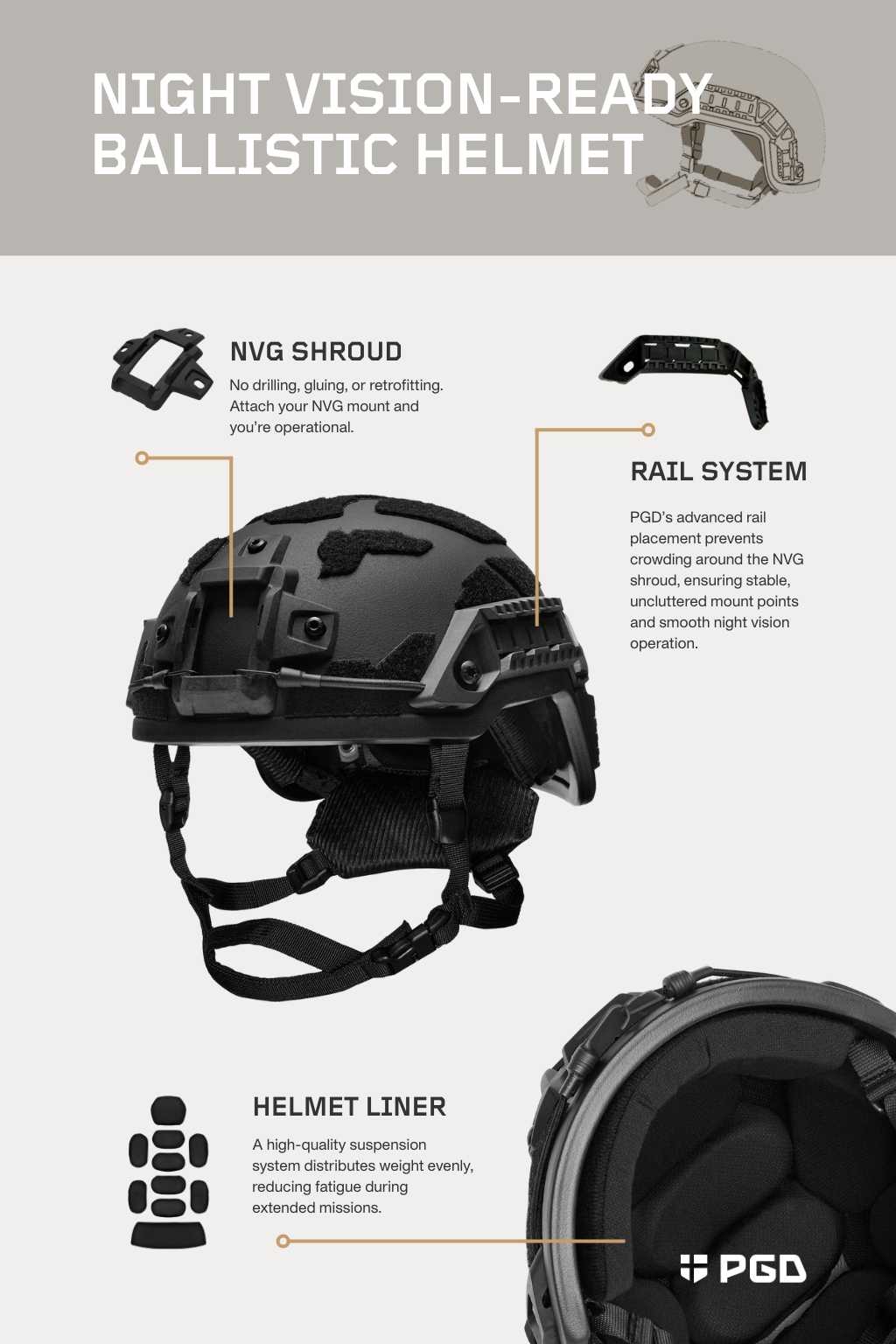
At the heart of any night vision helmet setup is the NVG shroud – the critical interface between helmet and device. Every PGD ARCH GEN3 Ballistic Helmet ships with a reinforced, factory-installed shroud compatible with U.S. military systems like Wilcox and Cadex. This focus on out-of-the-box integration translates to:
This level of integration ensures your tactical helmet with night vision is always mission-ready – no frustration, no makeshift solutions, and perfect alignment during high-speed maneuvers. Unlike helmets requiring aftermarket modifications, the PGD ARCH GEN3’s factory shroud provides zero play, instant setup, and a futureproof design ready for next-generation NVG systems.
When it comes to night vision, even minor shifts can cause major problems. A loose or vibrating mount disrupts situational awareness, aiming, and overall safety. The PGD ARCH GEN3’s reinforced shroud addresses this with:
For operators, SWAT teams, or civilian defenders, this means total confidence whether you’re running urban entry ops or long-range reconnaissance.
Modern night vision helmet setups demand modularity. Integrated side rail systems empower users to expand the helmet’s capabilities with:
Advanced rails are also positioned to prevent crowding the NVG shroud area, supporting stable, uncluttered mount points for your night vision device. PGD’s advanced rail placement prevents crowding around the NVG shroud, ensuring stable, uncluttered mount points and smooth night vision operation.
When you attach night vision gear, weight balance is paramount. Unbalanced NVGs lead to neck fatigue, headache, and reduced operational effectiveness.
Optimal comfort and balance ensure peak performance, especially for extended missions or patrols requiring hours of night vision use.
Protection Group Denmark ensures that no special tools or third-party adapters are needed – just intuitive, plug-and-play compatibility. For special operations, SWAT teams, and prepared civilians, this means less preparation time, fewer compatibility headaches, and full confidence during the mission.
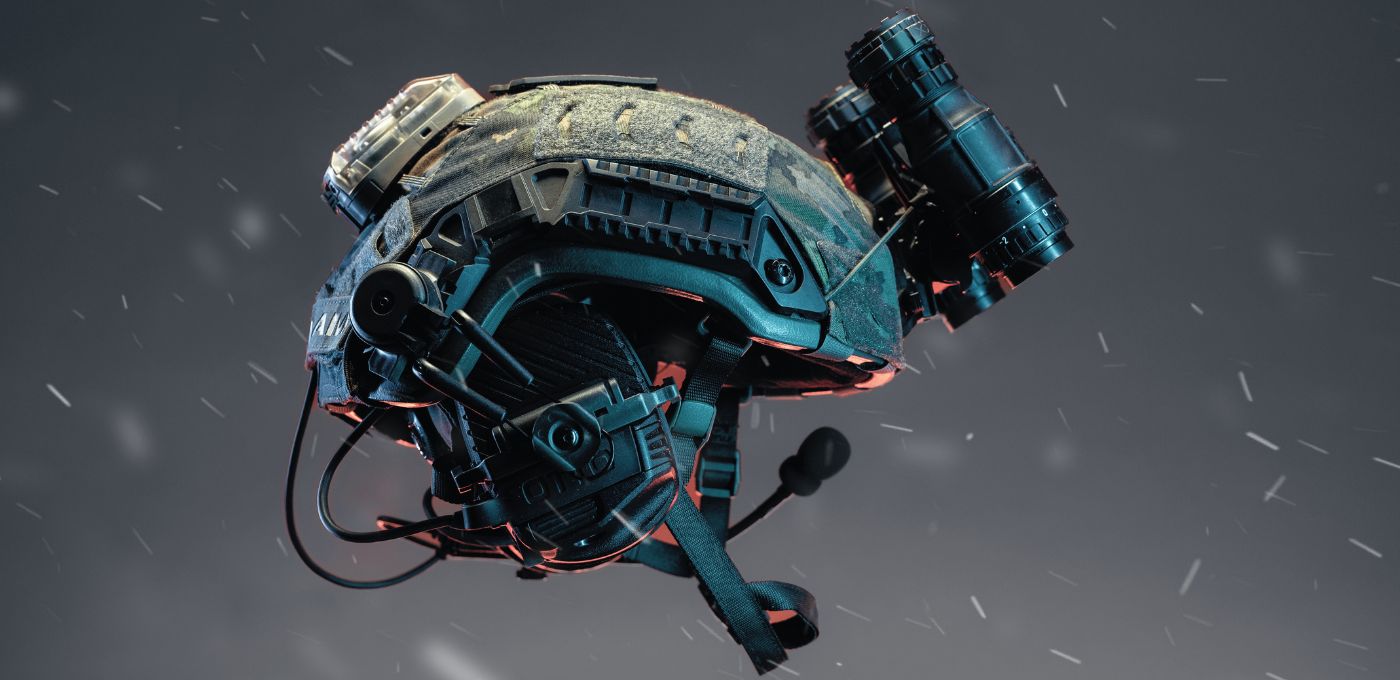
Achieving the best night vision helmet setup for ballistic protection and field use requires more than simply attaching accessories. Use these proven strategies to maximize mission performance and comfort.
A truly effective tactical helmet with night vision feels neutral on the head even with heavy optical gear. Here’s how operators get optimal balance:
The PGD ARCH GEN3 Ballistic Helmet accommodates all standard counterweight pouches, making ideal balance fast and simple.
Long-duration missions magnify the importance of properly set up night vision helmet systems:
By following these professional practices, you’ll keep your tactical helmet with night vision comfortable, stable, and effective from the first to the last hour of wear.
Understanding the legal parameters and practical applications for ballistic helmets with NVG integration ensures responsible, effective, and fully lawful use.
In the United States, civilians can legally purchase, own, and use ballistic helmets paired with night vision gear for activities such as training, home defense, and hunting – provided they:
No special license is needed for helmet or NVG ownership for U.S. citizens, making a night vision-ready ballistic helmet accessible for personal and professional purposes.
A tactical helmet with night vision isn’t just for military or law enforcement – here’s where civilian users excel:
By choosing a helmet like the PGD ARCH GEN3 Ballistic Helmet, civilian users get the same professional-grade features as government agencies, with outstanding comfort and adaptability for any scenario.
If you want to read more on civilian use of ballistic helmets, you can visit our blog and read the article “Ballistic helmet 101: Do I need a ballistic helmet?“.
For professionals, a mission-ready ballistic helmet with night vision is indispensable:
Reliable integration, reinforced NVG shrouds, and battle-tested performance are mandatory. The PGD ARCH GEN3 Ballistic Helmet meets these operational standards, supporting Wilcox, Cadex, and Unity platforms for maximum mission scope.
When choosing between the PGD NVG Shroud and the Unity SUMMIT™ Shroud, the decision often comes down to operational needs and personal preference. The PGD shroud is purpose-built for our ARCH helmets, offering a lightweight, fiberglass-reinforced nylon construction that pairs seamlessly with Wilcox and Cadex mounts – ideal for users who want a rugged, mission-ready solution straight out of the box.
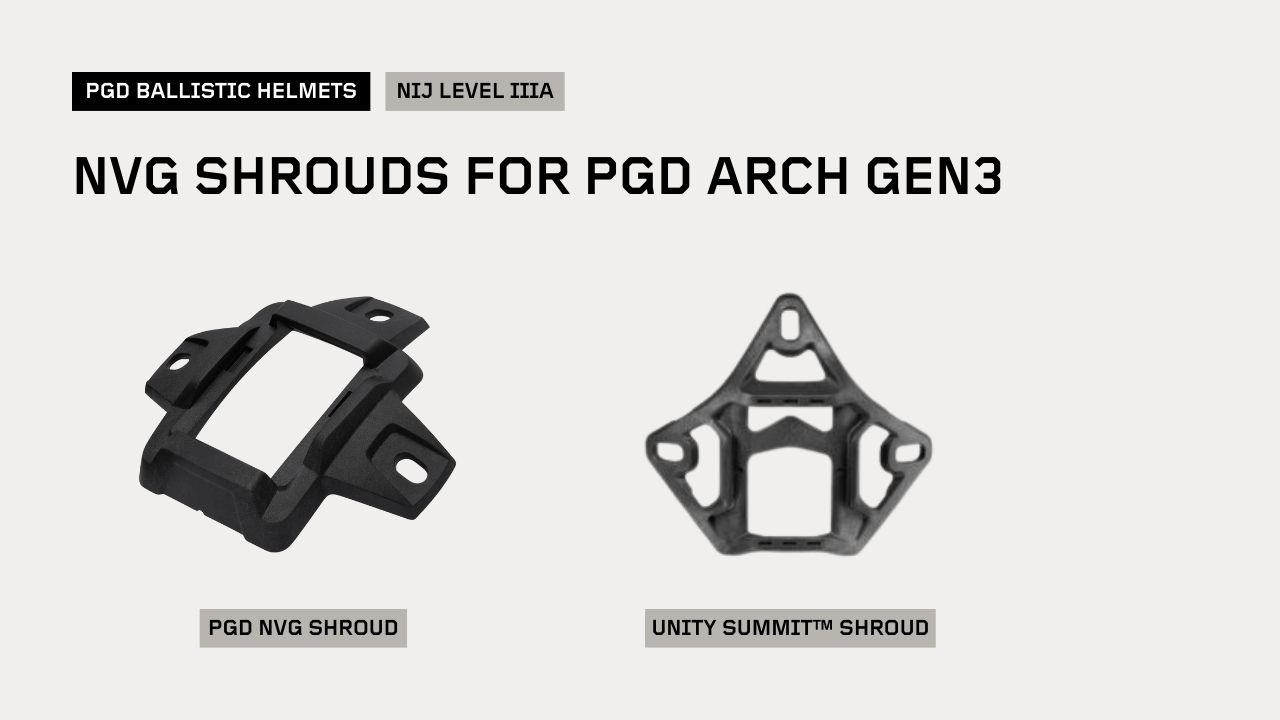
On the other hand, the Unity SUMMIT™ shroud emphasizes a superior strength-to-weight ratio, with its over-molded unibody design and stainless steel insert providing exceptional durability and accessory flexibility. Both deliver secure, wobble-free NVG attachment, but where the PGD shroud shines in integrated simplicity and professional-grade helmet optimization, the Unity SUMMIT™ appeals to those looking for maximum modularity and accessory compatibility across different platforms.
Optimizing your ballistic helmet with night vision means far more than just attaching a device – it’s about crafting a platform that brings stability, protection, and enhanced tactical awareness to every low-light mission. Whether you are a professional operator, a first responder, or a civilian defender, your helmet setup affects performance, endurance, and confidence.
Choose a helmet built for NVG use from the start. The PGD ARCH GEN3 Ballistic Helmet delivers a turnkey NVG solution with no compromise – factory-installed reinforced shroud, universal compatibility, balance-ready design, and proven comfort.
For further guidance, mission-specific recommendations, or to speak with genuine experts in personal protection, visit the Protection Group Denmark homepage. Build your best night vision helmet setup today and move into the night with total confidence.
Yes, a ballistic helmet with night vision is a tactical head protection system engineered to enable rapid, secure use of night vision devices (NVDs) while maintaining full ballistic defense. Modern ballistic helmets, such as the PGD ARCH GEN3 Ballistic Helmet, feature a reinforced, factory-installed shroud compatible with U.S. military systems like Wilcox and Norotos, allowing for immediate NVG readiness and secure mounting of night vision devices out of the box.
Use quality NVG mounts such as Wilcox or Cadex. Reliable clamps and interface plates from these systems eliminate wobble, especially for heavy dual-tube systems. The PGD ARCH GEN3 Ballistic Helmet’s factory-installed, reinforced shroud is engineered to military standards, supporting all major NVG mounting systems and eliminating micro-movements often seen in lesser mounts. This maintains consistent eye alignment and shroud rigidity under weapons recoil, rapid movement, or rough handling.
A truly effective tactical helmet with night vision feels neutral on the head even with heavy optical gear. Attach counterweights directly opposite the NVG mount, as close to the rear shell as possible. Many kits use 300–600 grams of lead or steel weights, secured via velcro or pouch systems. Adjust incrementally: start with less counterbalance and add weight until the helmet no longer tips forward under its own mass. Route wiring and battery packs smartly using helmet rails and cable guides to prevent snags while keeping balance. The PGD ARCH GEN3 Ballistic Helmet accommodates all standard counterweight pouches, making ideal balance fast and simple.
Confidence with a ballistic helmet and night vision comes from hands-on practice in the dark. New users should start by learning how to wear the helmet correctly, adjust the fit, and flip NVGs into place without fumbling. Moving through low-light environments builds comfort with depth perception, while live-fire drills help shooters adapt to aiming and recoil under NVGs. Training with a team adds another layer, improving communication and spacing during night operations. Finally, extended wear sessions condition the neck and ensure the helmet and counterweight setup stay balanced. With the right nighttime training, night vision gear shifts from awkward to mission-ready.
Protect what matters.
We’ve moved our U.S. sales
Protection Group Denmark products are now available in the United States exclusively through our official distributor, Colorado Gun Fighter. This store is no longer accepting new orders — please continue your purchase there.
Already placed an order with us? Don’t worry — all existing orders will be fulfilled as normal.
Shop at Colorado Gun Fighter