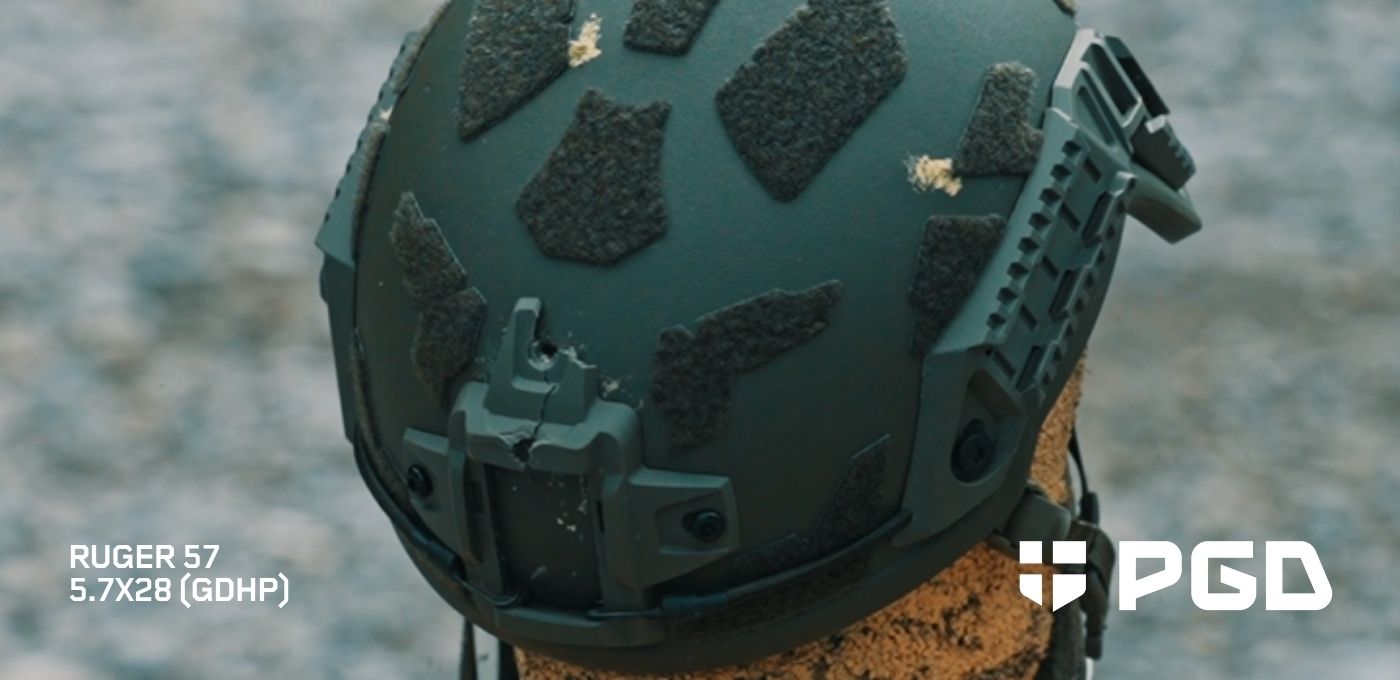
Ballistic helmet price guide: How to balance protection and cost in the U.S.

Let’s be honest: nobody ever brags about their helmet retention system at the range or in the team room. You’ll hear talk about new night vision, a lighter plate carrier, or who has the best boots – but the humble chin strap? That poor guy never gets the spotlight. And yet, it’s keeping your ballistic helmet from turning into a $1,500 paperweight the second you sprint, dive, or try to shoulder a rifle.
Think about it: a ballistic helmet without a proper retention system is like driving a pickup without seatbelts. Sure, you can do it, but one sharp turn and you’re eating dashboard. The retention system is what makes the helmet usable. It’s what keeps your NVGs from wobbling like a bobblehead, prevents the chin strap from sawing into your jaw like a cheese grater, and saves your neck from feeling like you just tried out for an NFL offensive line.
And let’s not forget the comedy factor. Everyone’s seen the guy whose helmet slips forward mid-drill until he’s basically blindfolded. Or the guy whose straps are so loose you could fit a sandwich between his chin and the cup. That’s not just uncomfortable – it’s dangerous. In tactical work, a helmet that doesn’t stay put isn’t just a bad look, it’s a liability.
That’s why modern retention systems – bungee setups, liner systems, and dial-based adjusters like PGD’s – have become game changers. They don’t just strap a helmet to your head, they fine-tune the fit like a baseball cap engineered by NASA. They reduce neck fatigue, keep accessories stable, and let you forget about the gear so you can focus on the mission – or at least on not tripping over your buddy’s rucksack.
So yes, this article is about straps, dials, pads, and buckles. But stick with us – because if you’ve ever cursed your helmet halfway through a patrol, you’ll know: the right retention system isn’t just comfort, it’s survival.
Let’s get started.
We’ll start with the basics:
What excatly is a helmet retention system?
A quality helmet retention system secures and stabilizes tactical helmets during intense movement and impact, making them vital for military, law enforcement, and rescue professionals. These systems combine harnesses, adjustable straps, pads, and dial mechanisms to ensure a tight, comfortable fit for every head shape. Advanced solutions like the PGD dial retention system enhance comfort, minimize neck fatigue, and keep helmets stable even with accessories like night vision. Four-point harnesses and material innovations meet strict performance standards, ensuring both safety and operational readiness.
A helmet retention system is the critical interface between a tactical helmet and its wearer. The primary mission: prevent any unwanted helmet movement, even during rapid maneuvers, impacts, or when carrying heavy devices like night vision goggles (NVGs).
An optimized helmet retention system is not just about holding a helmet in place – it directly impacts wearer comfort, focus, and mission success. A loose or awkward fit can cause hotspots, neck strain, helmet slippage, and distraction when precision matters most. The best helmet harness systems provide a secure, stable fit for a wide range of head shapes, support advanced accessories, and maintain comfort during extended wear.
Modern ballistic helmet retention systems typically include:

A ballistic helmet is only as good as the way it stays on your head. You could have the toughest, most high-speed helmet in the world – but if the retention system is sloppy, one recoil or blast later and it’s sliding around like a cheap Halloween mask. Stability isn’t optional; it’s the difference between protection and comedy.
The ballistic helmet retention system’s role is especially critical:
The first generations of tactical helmet harness systems were fairly simple and, by today’s standards, very limited. Most relied on just two- or three-point straps, offering only the most basic level of adjustment. They kept the helmet on the head, but comfort, stability, and customization were almost an afterthought. Soldiers often had to deal with helmets that slipped forward during a sprint, shifted under recoil, or caused pressure points after hours of wear.
As missions became more demanding and helmets began carrying heavier accessories like night vision goggles, the shortcomings of those early designs became impossible to ignore. The need for better balance, greater comfort, and improved safety pushed the industry toward major innovations – leading to the four- and six-point retention systems, advanced padding, and dial-adjust mechanisms we see today.
Over time, the need for higher standards drove major innovations:
This evolution has led to helmet retention systems that are lighter, more durable, and highly customizable – meeting both tactical and ergonomic needs.
The latest generation of helmet retention systems has redefined expectations for fit, comfort, and operational effectiveness. Critical design factors now distinguish the best systems from standard-issue options.
Four-point helmet retention systems are the gold standard for tactical helmets, offering:
Six-point helmet retention systems add two additional straps and anchor points:
Comparison:
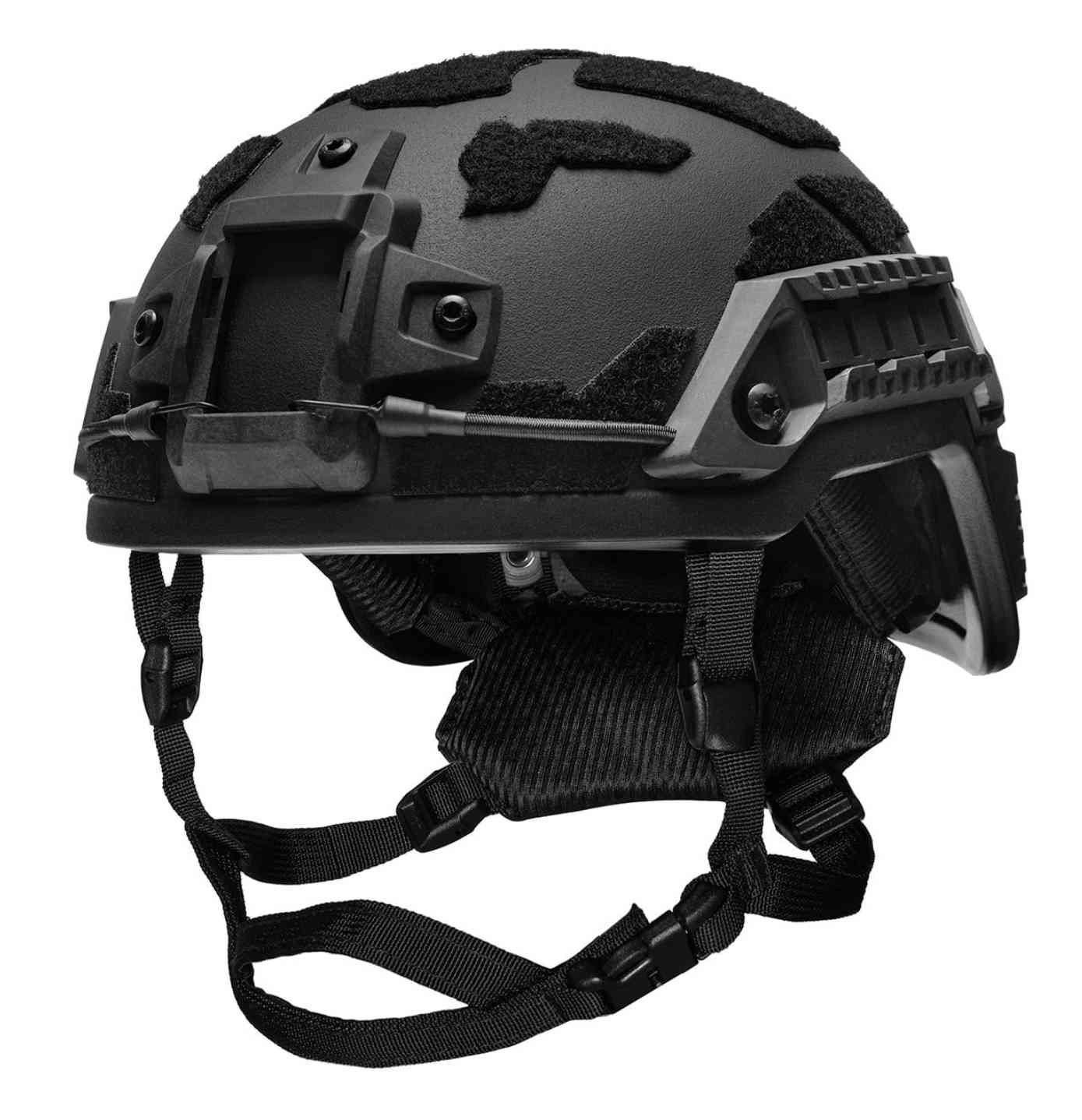
Choosing between 4-point vs. 6-point helmet retention systems depends on specific mission requirements, but the majority of high-end ballistic helmet straps and harnesses now favor the streamlined four-point design like the PGD ARCH GEN3 ballistic helmet.
Modern helmet harness systems incorporate multiple technologies to boost stability and fit:
These features work together in advanced ballistic helmet adjustment systems to provide rapid, precise fit customization and all-day comfort.
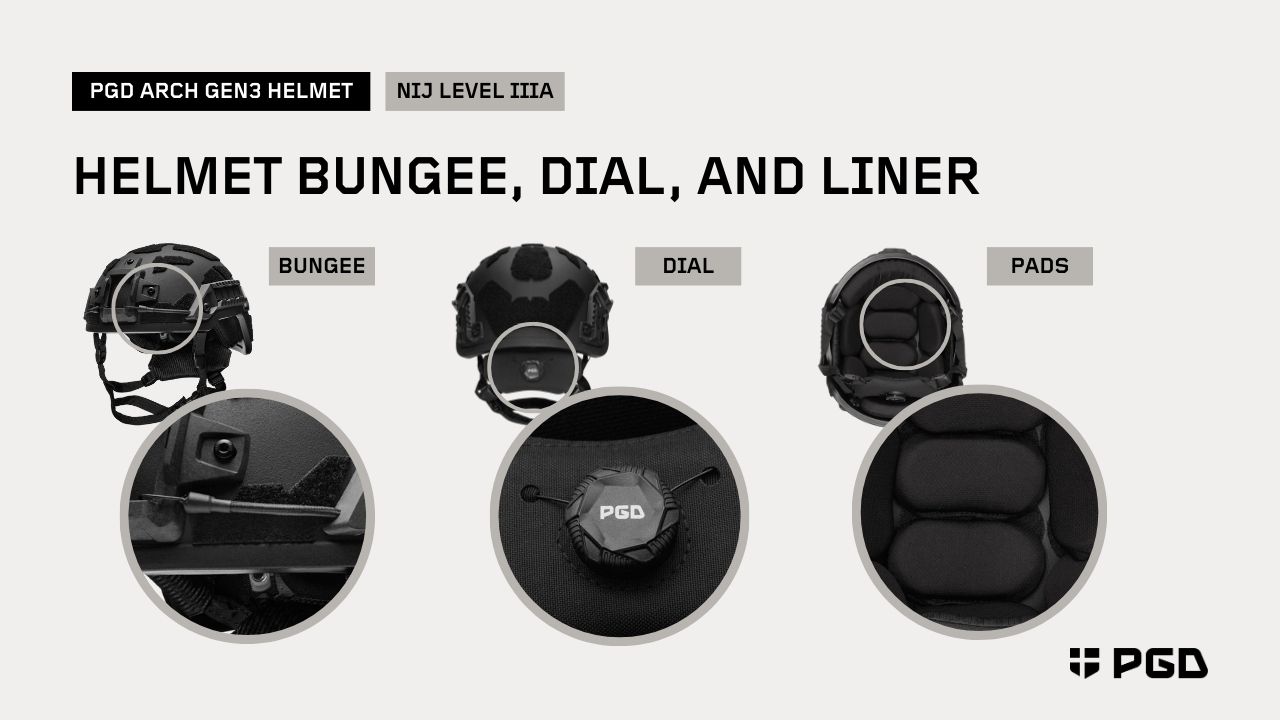
Key innovations driving next-level comfort and operational stability include:
Professional users should demand features that support secure, adaptable fit and maintain helmet position regardless of activity or loadout.
And here’s the fully equipped, out-of-the-box PGD ARCH GEN3 – everything you get for your money:
As a leader in tactical headgear engineering, Protection Group Denmark is committed to advancing every aspect of helmet retention system performance. Years of field feedback from elite military and police units have fueled practical, operator-focused innovations – raising the bar for helmet fit, comfort, and operational confidence.
A defining breakthrough in fit security, the PGD helmet dial retention system offers a precise, no-slip solution – engineered for the demands of professional tactical missions.
Key attributes:
With its combination of high-grade materials and operator-driven design, the PGD dial system is widely recognized as one of the best helmet retention systems for balancing comfort, adjustability, and operational readiness.
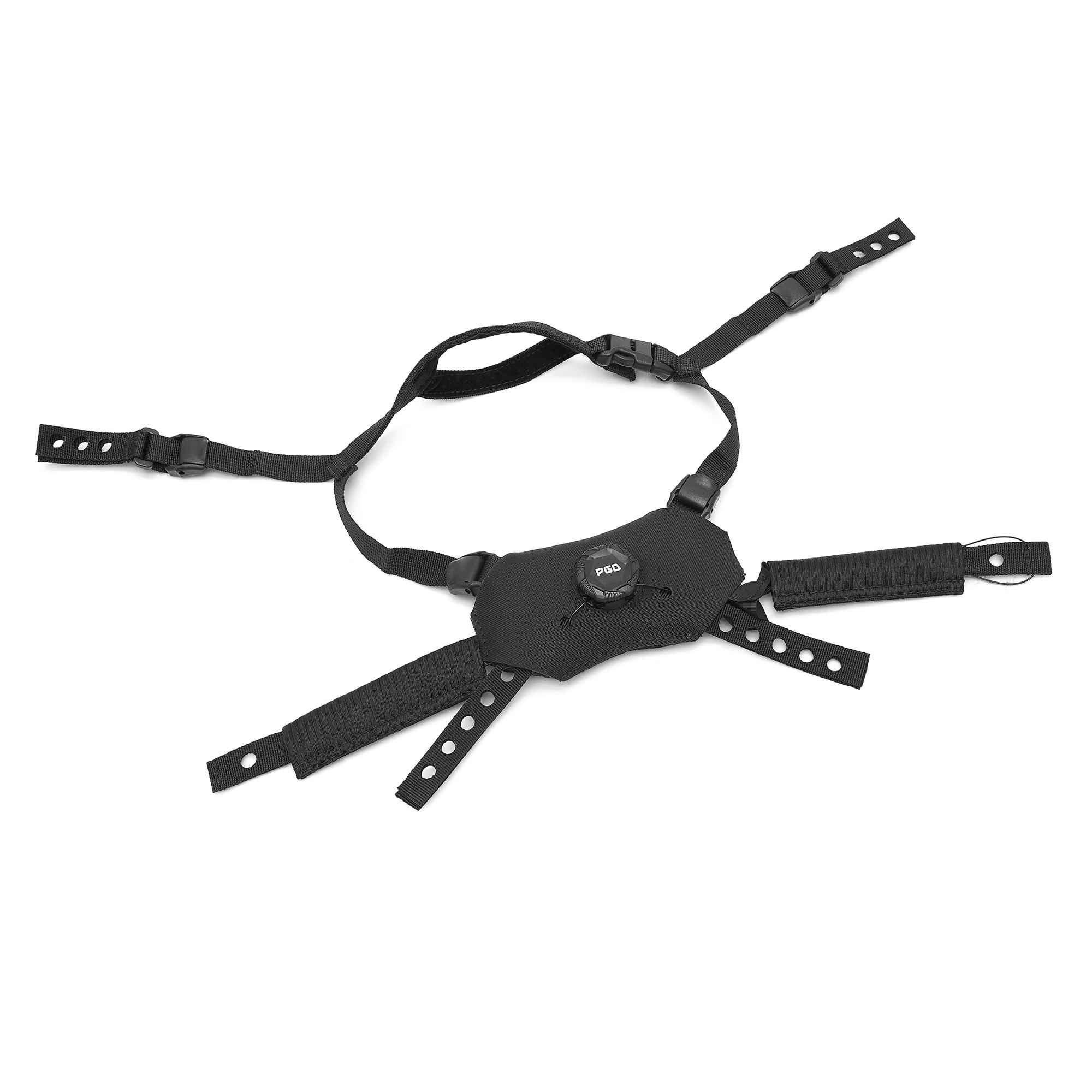
The excellence of PGD’s helmet retention system lies in its material science and design choices. The resilient nylon webbing offers abrasion resistance, flexibility, and minimal weight. Combined with our PGD 10-pad helmet liner, you are set to go. It absorbs blunt force impacts and enables precise customization of fit through removable, repositionable pads.
Together, these features deliver a helmet retention and liner retention system that resists degradation from sweat, moisture, or extended field use – ensuring longevity and reliability.
PGD’s retention and helmet stability systems have been tested in real-world operations, from fast-roping and urban breach entry to high-tempo patrols with NVG and communications gear. The result is proven performance in:
Operators choosing Protection Group Denmark solutions can trust their helmet retention system to enhance every critical moment – not distract from it. And if you’re into real stories from real operators (not just marketing talk), head over to our “What They Say” page.
A professional-grade helmet retention system is only effective when selected and adjusted properly.
Here’s how to ensure fit, function, and comfort for every operation.
When evaluating helmet retention systems, prioritize:
Choose a helmet harness system that delivers these capabilities for all-weather, all-mission reliability.
Re-assess pads and strap tension every mission or if wearing additional headgear.
Employing these adjustments ensures your ballistic helmet retention system provides mission-critical benefits: stability, comfort, and all-day performance.

Innovations in helmet retention system technology continue to reshape how tactical professionals operate in high-risk environments. Intelligent design improvements prioritize not only safety, but stamina, focus, and mission adaptability. We will continue to develop products that will close the gap between traditional helmet harness systems and the comfort/fit expected from high-end sporting equipment. As operator environments become more demanding, these innovations help ensure helmets remain an asset rather than a hindrance.
Ultimately, tomorrow’s best helmet retention systems will empower professionals to:
As you plan future gear acquisitions or helmet upgrades, evaluate both current and emerging helmet retention and suspension system technologies. Your comfort, stability, and operational effectiveness depend on them.
Ready to enhance your tactical readiness?
Explore the PGD helmet dial retention system, or consult Protection Group Denmark for expert guidance on helmet harness systems built for true professionals. Request more information or schedule a consultation to identify the right solution for your unit’s needs. Please reach out!
When evaluating helmet retention systems, prioritize: Four-point harness with reinforced webbing (distributes forces evenly), quick-adjust dial (e.g., PGD dial system) for rapid, in-field tweaks, moisture-resistant pads/liners to reduce skin irritation and keep the head dry, quick-release features for emergency removal, customizable padding that adapts to head size and preference, helmet bungee and accessory compatibility to maintain balance, and durable construction that stands up to repeated use and harsh environments. Distributing helmet weight evenly, choosing high-quality padding for shock absorption and moisture resistance, and adjusting fit as conditions change all help prevent neck fatigue by avoiding pressure build-up and keeping the helmet balanced during long missions.
1. Place the helmet on your head, centering front-to-back and side-to-side.
2. Adjust the four anchor straps to remove slack; ensure even tension and that the helmet sits level above your eyebrows.
3. Tighten the chin strap so it’s secure but not restrictive; the nape pad should gently cradle the base of your skull for added support.
4. With the helmet in place, rotate the dial (such as the PGD dial system) until the fit is snug – firm enough to prevent movement but not cause discomfort.
5. If using NVGs, bungee systems, or comms, verify that each device mounts securely and doesn’t disturb helmet balance.
6. Shake your head side-to-side and up-and-down. The helmet should remain stable and unmoving without pinching or pressure hotspots.
Re-assess pads and strap tension every mission or if wearing additional headgear.
A helmet retention system is the critical interface between a tactical helmet and its wearer. Designed for ballistic helmets used by military, law enforcement, and rescue forces, it combines a harness, adjustable straps, liners, and sometimes integrated dial systems to secure the helmet firmly and comfortably to the user’s head. The primary mission is to prevent any unwanted helmet movement, even during rapid maneuvers, impacts, or when carrying heavy devices like night vision goggles (NVGs). An optimized helmet retention system directly impacts wearer comfort, focus, and mission success by providing a secure, stable fit for a wide range of head shapes, supporting advanced accessories, and maintaining comfort during extended wear.
Advanced helmet retention systems like the PGD dial retention system are engineered for comfort during extended use. These systems combine a four-point harness architecture for optimal stability and weight distribution, field-proven dial adjustment for precise fit, moisture-wicking antibacterial liners, and high-quality padding foam. These features deliver even weight distribution, minimize neck fatigue, and keep users comfortable during long missions, making them among the most comfortable options for extended wear.
Protect what matters.
We’ve moved our U.S. sales
Protection Group Denmark products are now available in the United States exclusively through our official distributor, Colorado Gun Fighter. This store is no longer accepting new orders — please continue your purchase there.
Already placed an order with us? Don’t worry — all existing orders will be fulfilled as normal.
Shop at Colorado Gun Fighter