From desert heat to arctic cold: Environmental durability of modern ballistic helmets
When lives are on the line, protection isn’t optional – it’s essential. In the ever-evolving landscape of modern warfare, the American military helmet plays a critical role in keeping soldiers protected against ballistic threats, blunt impacts, and battlefield unpredictability.
But not all helmets are created equal.
…And as threats become more advanced, so must the gear designed to stop them.
This article explores the evolution of U.S. military helmets, the materials and features shaping today’s protection, and how we (PGD) is redefining what it means to wear combat-ready headgear. If you’re wondering whether your helmet is truly built for the realities of modern conflict – you are more than welcome to read on.
When it comes to the battlefield, how certain are you really that the equipment you’re relying on will truly your life? As technology advances, so do threats, making the need for protection critical.
The evolution of the American military helmet has played a pivotal role in that narrative. However, soldiers have long voiced concerns over weight, comfort, and effectiveness. The demand for advanced military helmets that provide robust ballistic protection without sacrificing comfort is higher than ever. Let’s start by asking this question:
How has the American military helmet evolved to meet modern ballistic threats?
And now for a quick history lesson.
WWI: The Birth of combat helmets
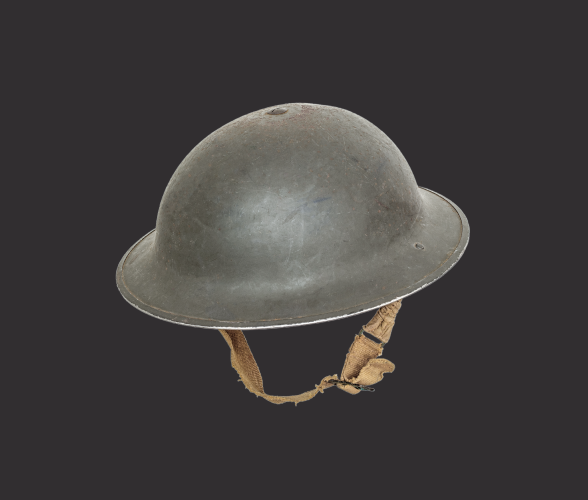
The first true combat helmets made their debut during World War I, when U.S. forces adopted steel models like the British-designed Brodie helmet. These were a major step up from soft caps, offering basic protection against shrapnel and flying debris. While far from perfect (steel helmets were heavy and didn’t really stop any bullets) they laid the foundation for a new era in soldier protection.
WWII: Enter the M1 Helmet
With World War II, we saw the introduction of the iconic M1 helmet, a two-piece system that became a battlefield staple for U.S. troops. With a steel outer shell and a separate fiber liner with adjustable suspension, the M1 improved comfort and usability. And you know… Troops got creative with it too. They would use the shell as a bowl, a shovel, or even a washbasin. By late 1942, helmet covers with camouflage patterns were introduced to help with concealment, making the M1 not just practical but tactical. Yay!

1960s – 1980s: We’ll call it the Kevlar Revolution
Moving on.. By the 1960s, the Army began looking for something even better. They wanted lighter, stronger, and more comfortable. The game-changer came in 1965 with the invention of Kevlar®, a high-strength synthetic fiber. By the early 1980s, the PASGT helmet (“Personnel Armor System for Ground Troops”) became standard issue. It used Kevlar to offer real ballistic protection while significantly cutting down on weight compared to steel. That was really groundbreaking.

Today: Now smarter, lighter, and stronger
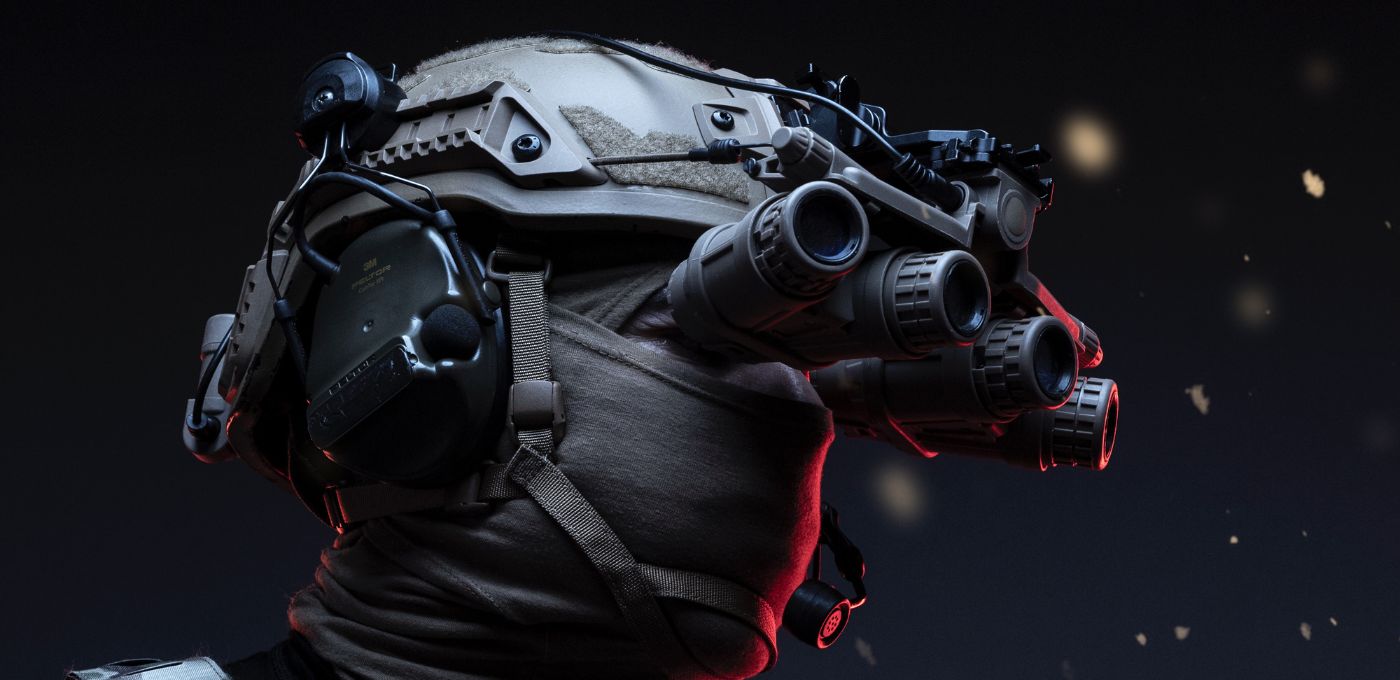
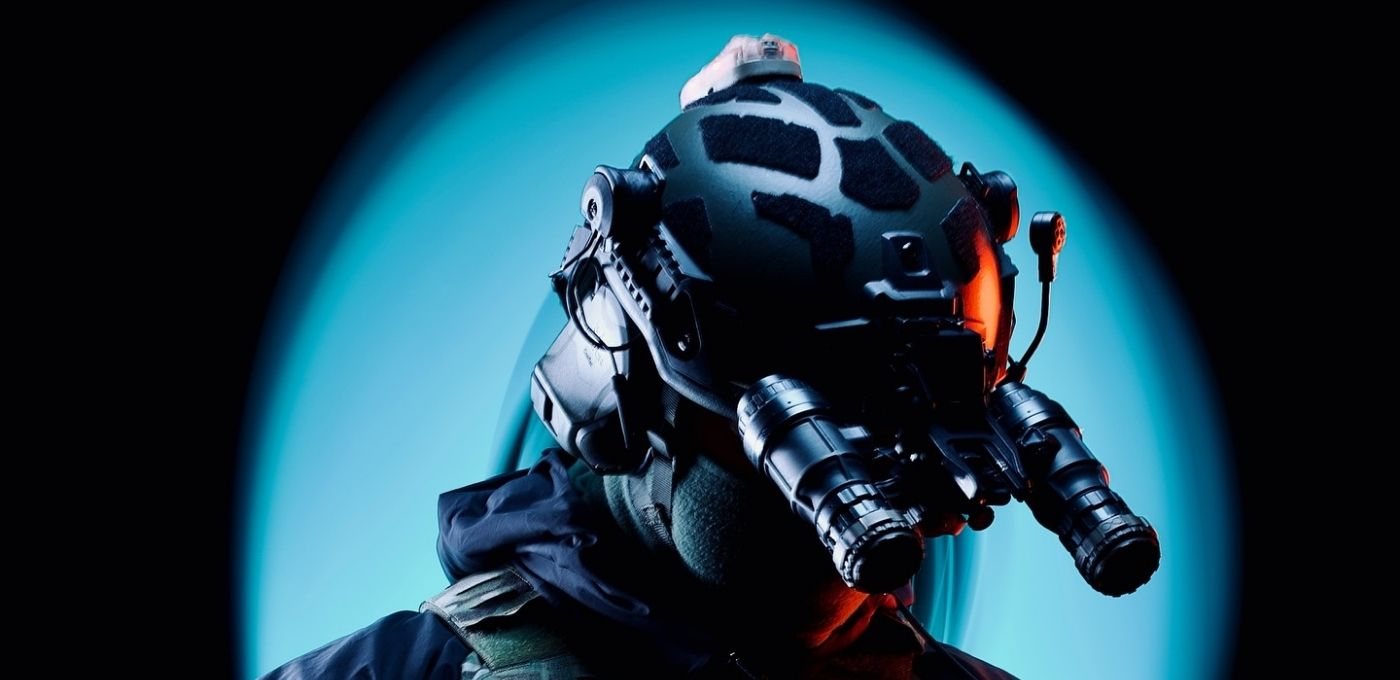
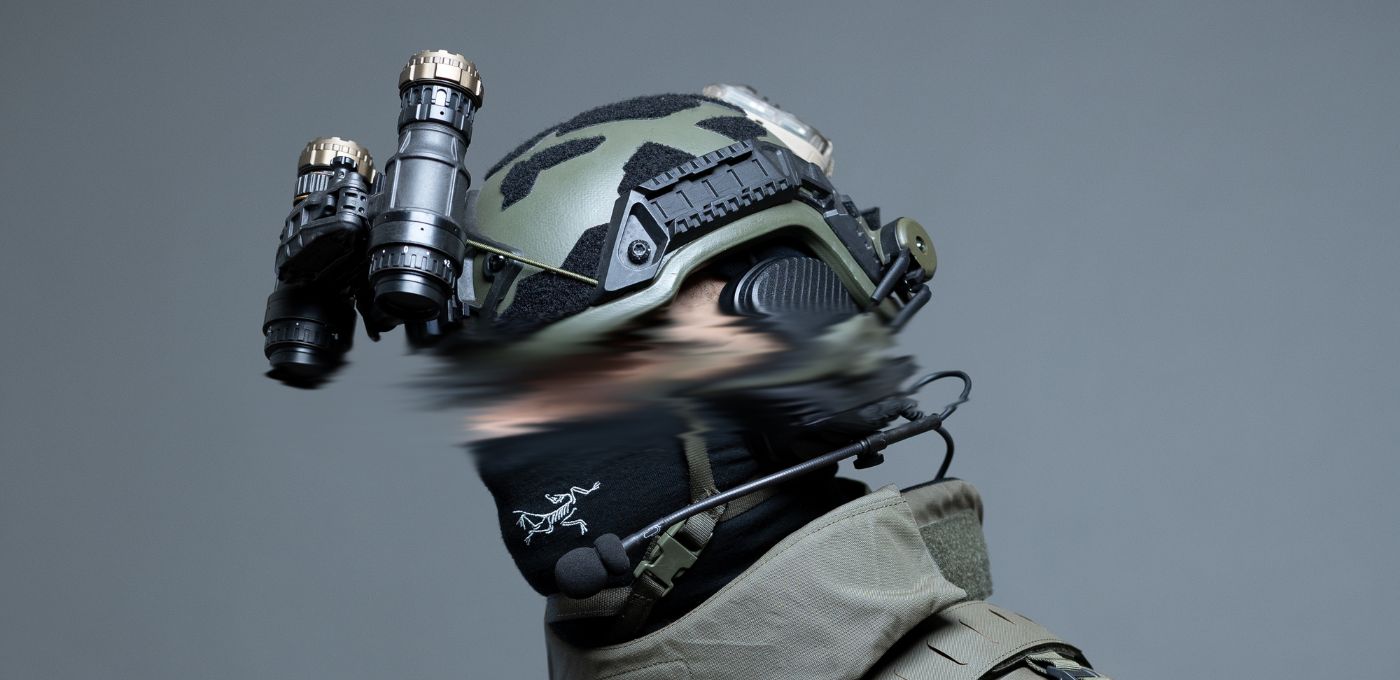
Helmet tech hasn’t stopped evolving. Far from. Today’s ballistic helmets use next-gen materials like Twaron®, Dyneema®, and Spectra® to boost protection while keeping weight to a minimum. Modern designs – like our PGD ARCH GEN3 – are built for the realities of today’s missions: modular setups, high-cut profiles for comms and hearing protection, improved comfort, and mission-ready accessory compatibility. They’re not just helmets anymore – they’re platforms for integrated gear that keep you faster, safer, and more connected in the field.
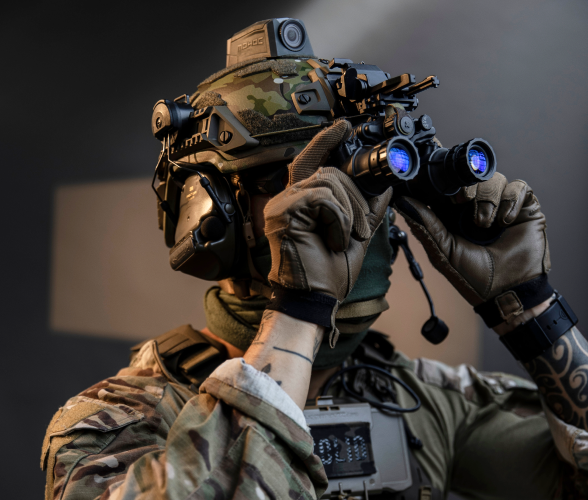
The current‑issue Integrated Head Protection System (IHPS) abandons the deep ‘turtle‑shell’ coverage of the 1980s PASGT and the mid‑2000s ACH in favour of a high‑cut geometry that exposes the ears for headset compatibility while still shielding the cranial high‑threat arcs mapped by Natick Labs. The shell is a hybrid stack of UHMWPE tape and aramid fabric fused by high‑toughness resin, providing excellent ballistic performance, including V50 fragmentation resistance up to 650 m/s, with optional applique plates available for enhanced rifle-level protection against 7.62×39 mm MSC threats.
Backface deformation is capped at 25 mm against the NIJ IIIA 9 mm projectile, and an optional applique plate upgrades protection to the forthcoming RF2 slice. Internally, the U.S. Army shifted from static pads to a BOA‑based dial liner that micro‑adjusts circumference and crown height. Externally, the IHPS integrates a machined aluminium Wilcox G34 shroud, universal ARC rails, and expanses of Velcro for strobes and patches – features now expected in any premium helmet entering U.S. law‑enforcement procurement. The modern American helmet prioritises weight savings, comms/NVG integration, and scalable rifle protection – values that our PGD engineers built into the European‑made ARCH line for users seeking military‑grade performance without the ITAR paperwork.
As you can read, the design features defining the current American military helmet have evolved significantly. Military helmets have undergone substantial advancements from the PASGT of the 1980s to today’s Integrated Head Protection System (IHPS). The innovation behind the Advanced Combat Helmet (ACH) and Enhanced Combat Helmet (ECH) is a testament to the industry’s endeavors to keep pace with modern battlefield demands, offering protection without unnecessary bulk. The ACH assures Level IIIA protection, while the ECH’s use of UHMWPE materials provides formidable resistance against small arms fire.
Let’s dive right into a closer look at our very own PGD ARCH GEN3 ballistic helmet.
At the heart of what we do is the PGD ARCH GEN3 ballistic helmet, a marvel that incorporates military-grade engineering. Constructed with aramid fabric, it ensures a 23% reduction in weight but enhances protection, enabling tactical operations with minimal strain. While being a civilian equivalent, this helmet design parallels military standards, ensuring that every detail serves a purpose in protecting lives.
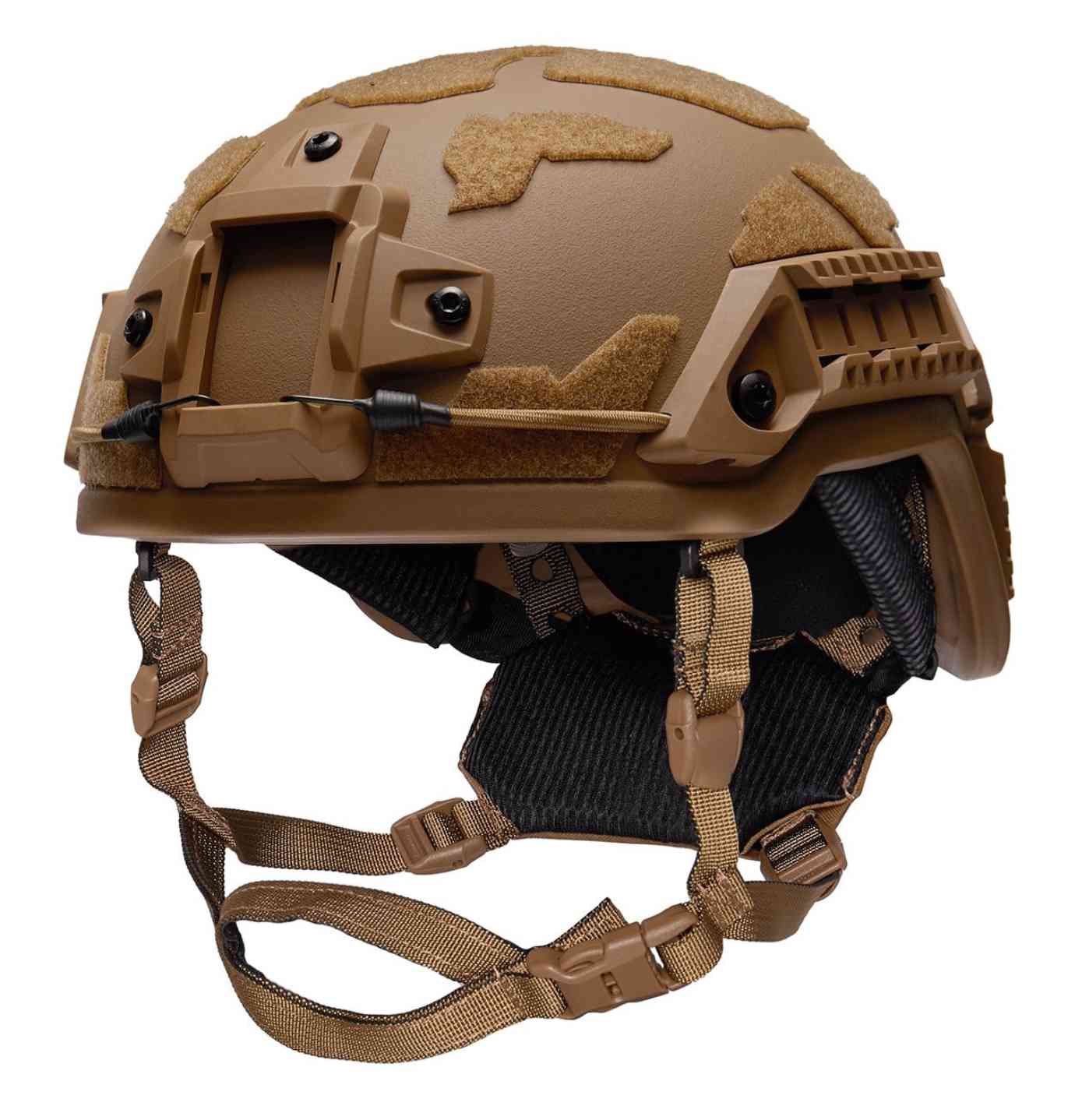
In operational settings, durability and protection standards are non-negotiable. Our helmets integrate advanced features such as resin-transfer molding, reducing deformation risks under impact – a priority shared with the Enhanced Combat Helmet. PGD’s dedication to meeting international compliance and military standards means you can trust in our commitment to durability.
For military, law enforcement, and security experts, choosing the right American army helmet can make all the difference. Protection Group Denmark offers solutions that surpass industry standards, with independent testing from leading laboratories ensuring unmatched quality. Our products are readily available, ITAR-exempt, and backed by a promise of excellence.
Our dedication to precision engineering in Denmark is reflected in every PGD helmet. We adhere strictly to European quality control, ensuring reliability and durability under extreme conditions. Trust in a product built to exceed industry expectations.
Choosing the right helmet is crucial – it concerns operational readiness. PGD helmets offer proven protection, verified by labs like Element Defense in the U.S. to meet ballistic standards.
For groundbreaking protection and excellence in design, Protection Group Denmark is your trusted partner. Each helmet, from the finest materials like Kevlar®, Dyneema®, and Spectra®, stands ready for deployment. Contact us today to order the PGD ARCH GEN3 ballistic helmet and step into battle with decisive confidence.
While federal restrictions apply to active-duty American military helmet sales, commercial alternatives like the PGD ARCH GEN3 are accessible. Through authorized dealers, professionals access protection minus bureaucratic delays, secured by a seven-year ballistic warranty and a 30-day return policy.
Take the next step and contact us. Protection Group Denmark is your trusted partner in solutions. Our innovative, precision-engineered American military helmets bring protection to frontline warriors. For further inquiries or to acquire the PGD ARCH GEN3 ballistic helmet, connect with us today. Experience the assurance of combat-ready equipment, tested to endure global professional demands.
Protect what matters.
We’ve moved our U.S. sales
Protection Group Denmark products are now available in the United States exclusively through our official distributor, Colorado Gun Fighter. This store is no longer accepting new orders — please continue your purchase there.
Already placed an order with us? Don’t worry — all existing orders will be fulfilled as normal.
Shop at Colorado Gun Fighter